Arriving in the north
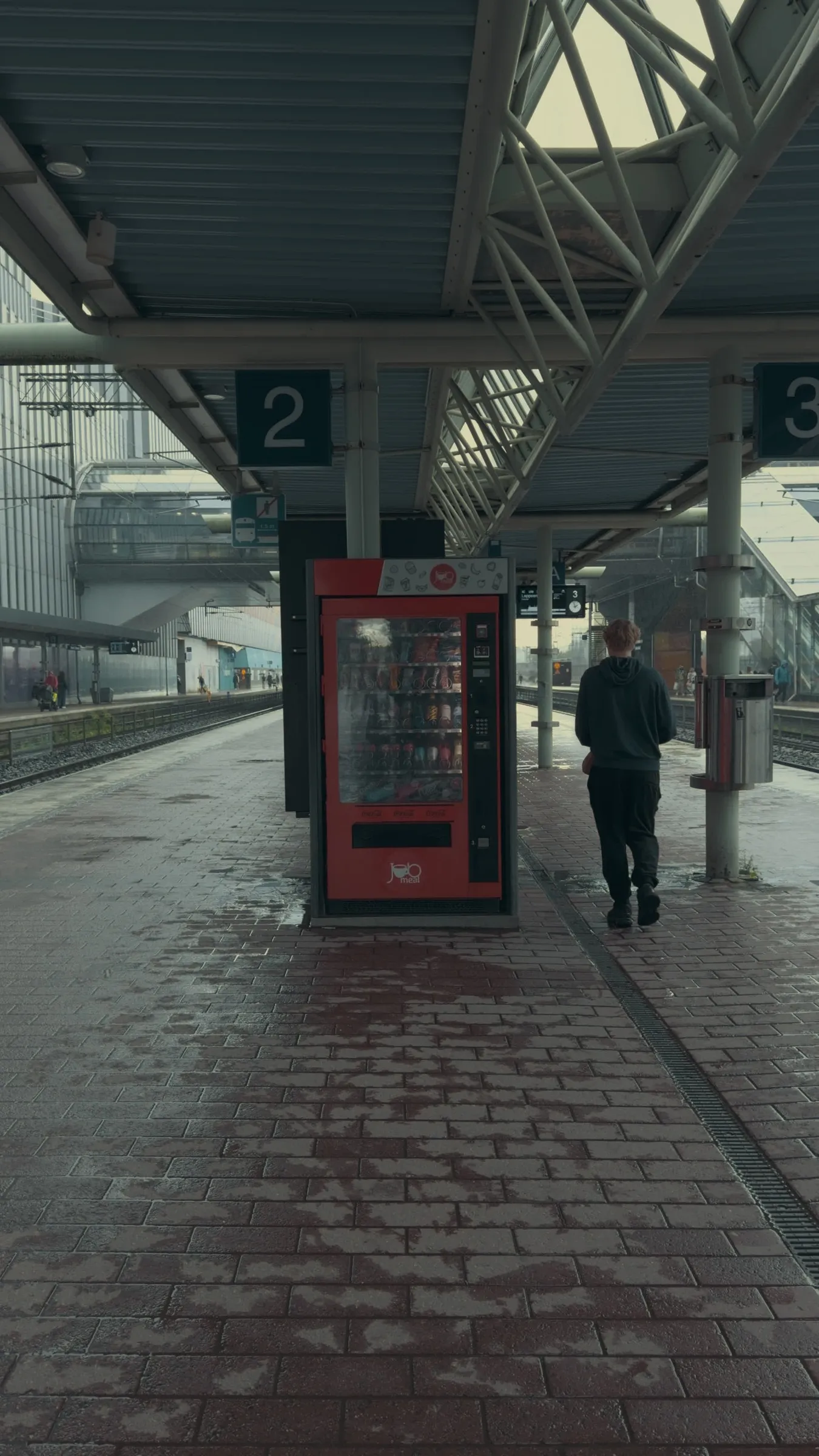
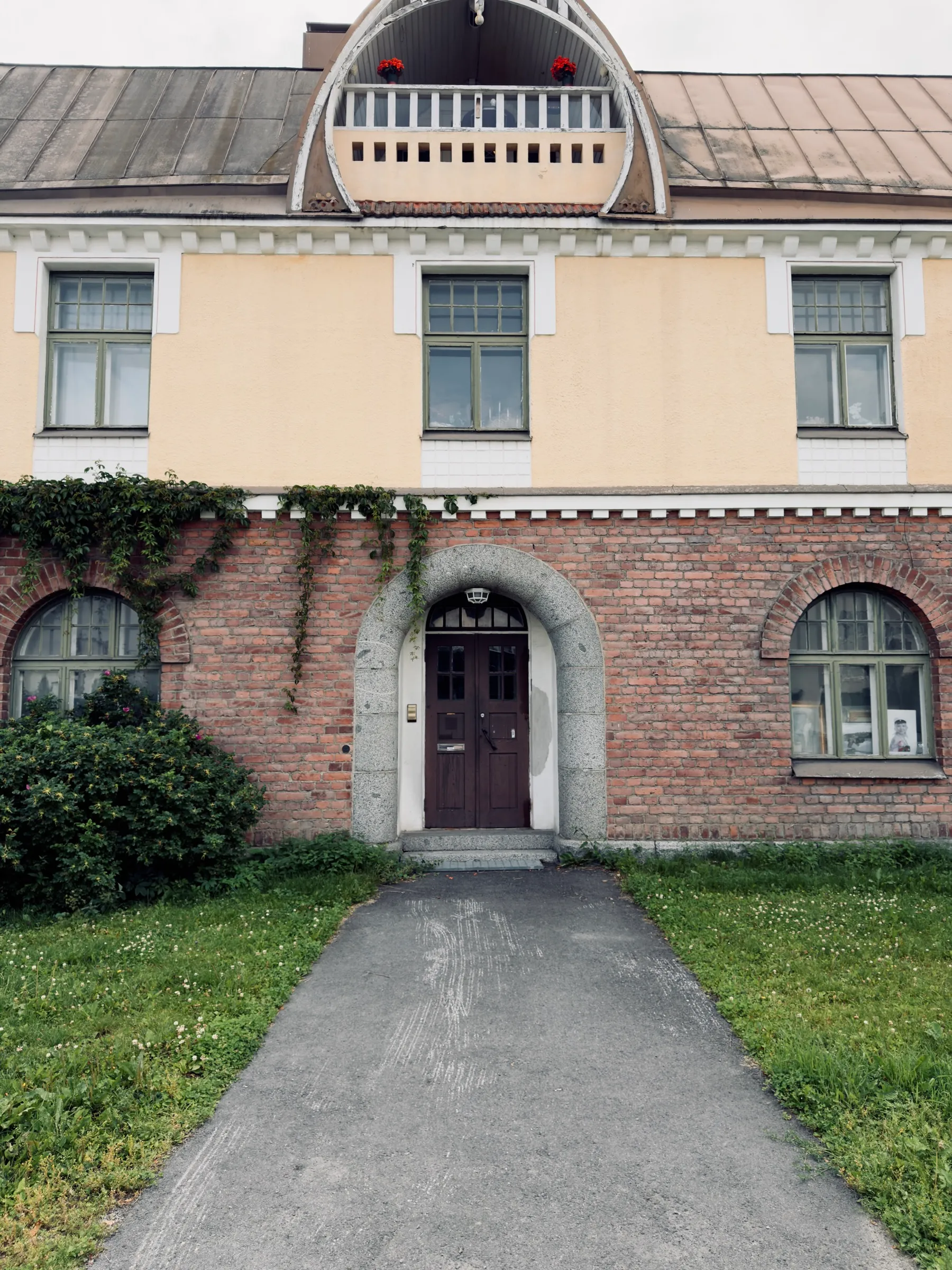
Landed in Helsinki at noon under an overcast sky, with light rain. From there, a good hour northwest by train. It was cool, and yet this arrival had an atmosphere all of its own: soft grey over the land, the town calm, in no hurry. My home for these weeks is a yellow house on Keinusaarentie, between the theatre and a school, a few steps from the water.
For anyone who does not know the town: Hämeenlinna sits on lake Vanajavesi, a good hundred kilometres north of Helsinki, and is considered the oldest inland town in Finland. The medieval Häme Castle watches over the water and gives the town its name, and in a small wooden house here, in 1865, Jean Sibelius was born, Finland's great composer. A town where history and culture do not feel exhibited, they are simply there.
And there is one more connection: Hämeenlinna is Celle's Finnish twin town. That partnership is the very frame that made this residency possible in the first place.
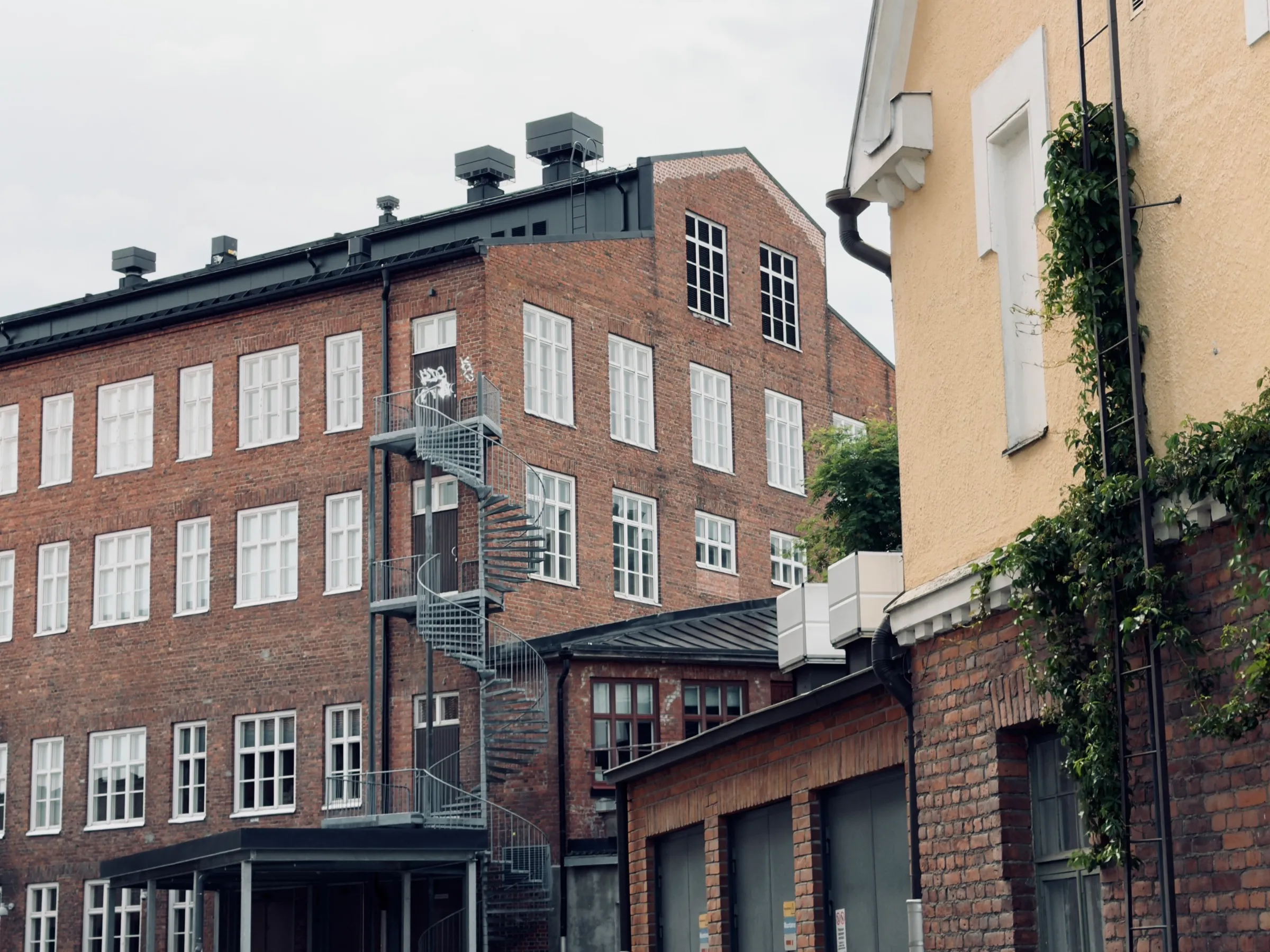
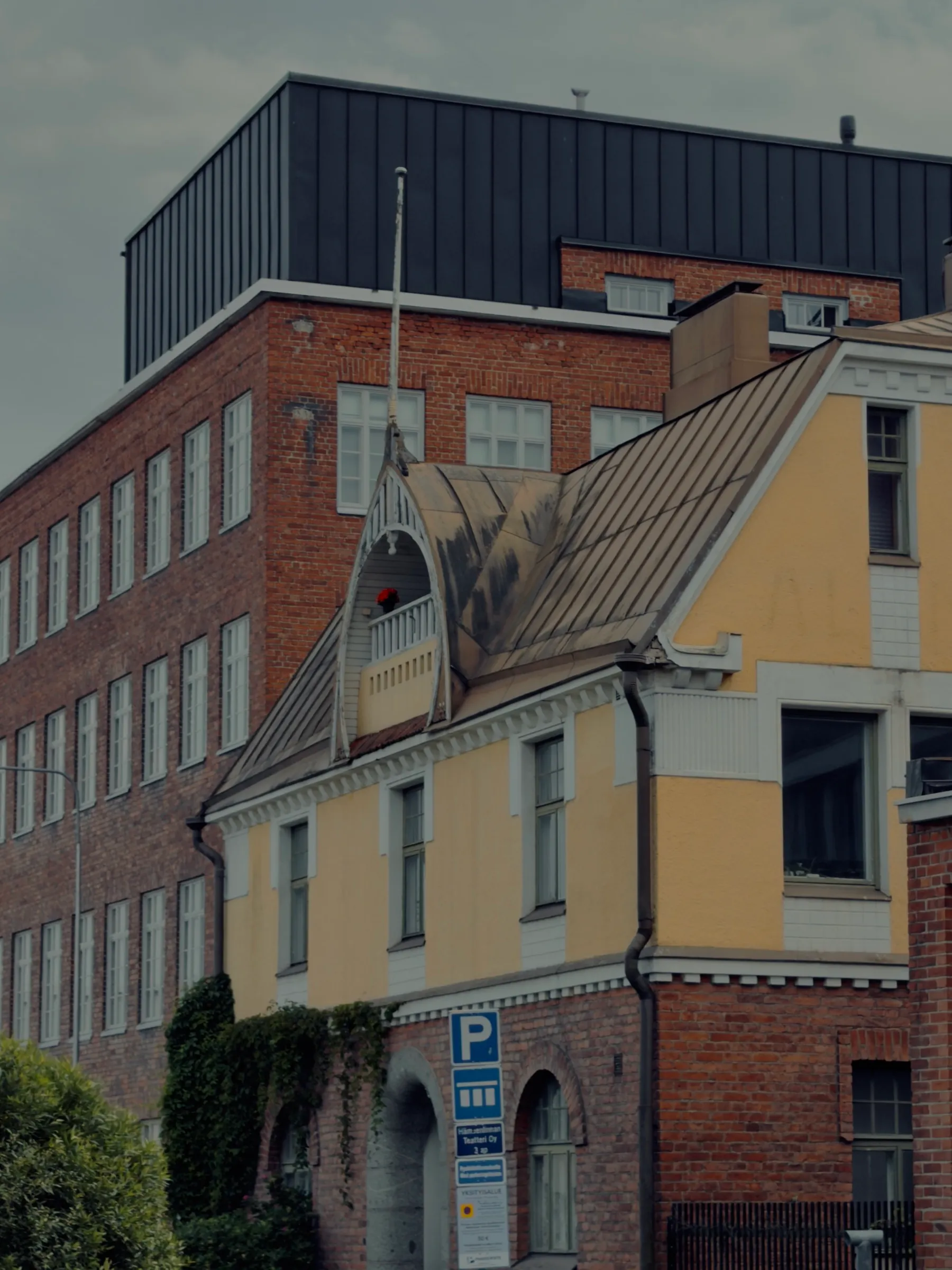
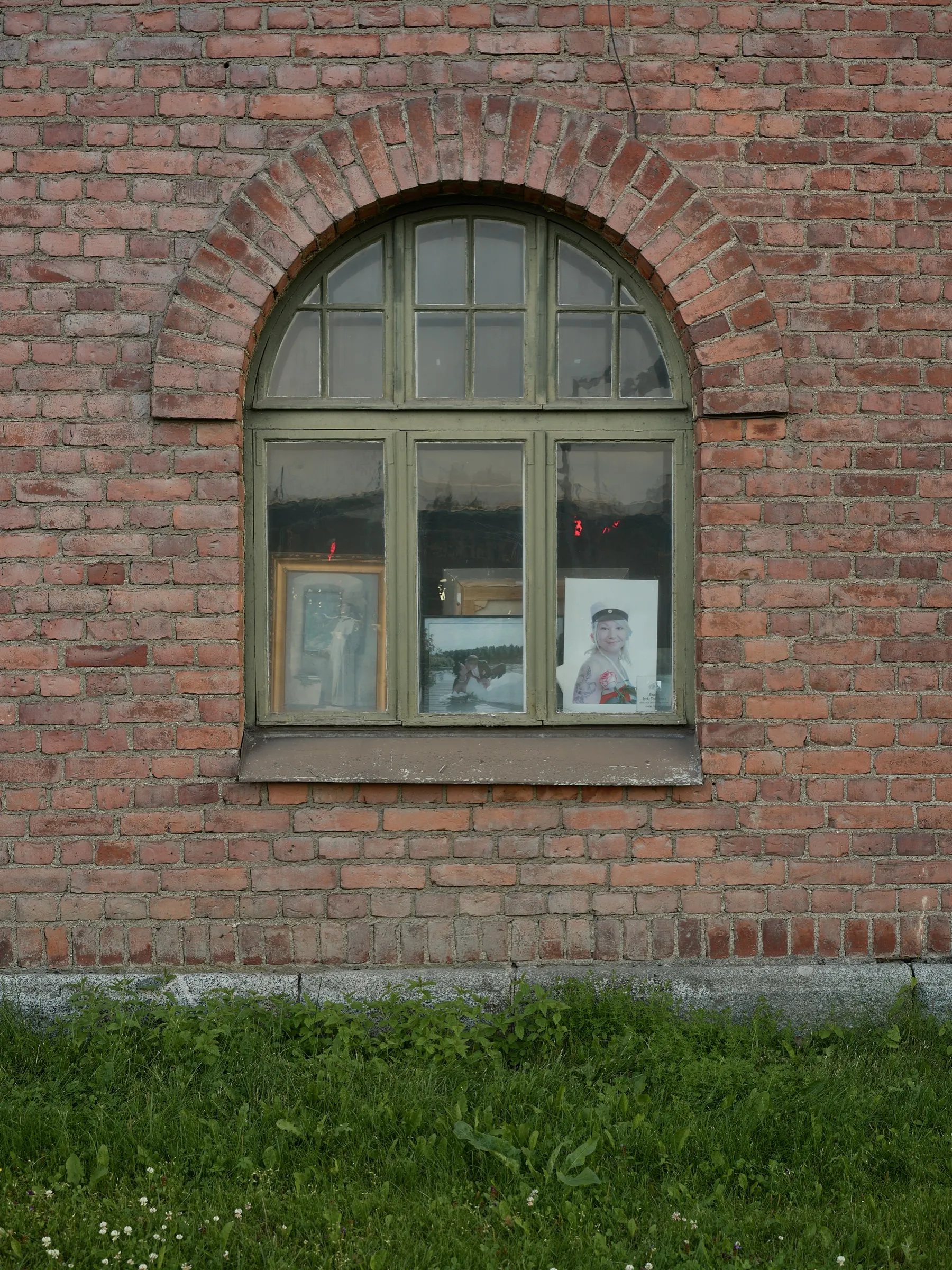
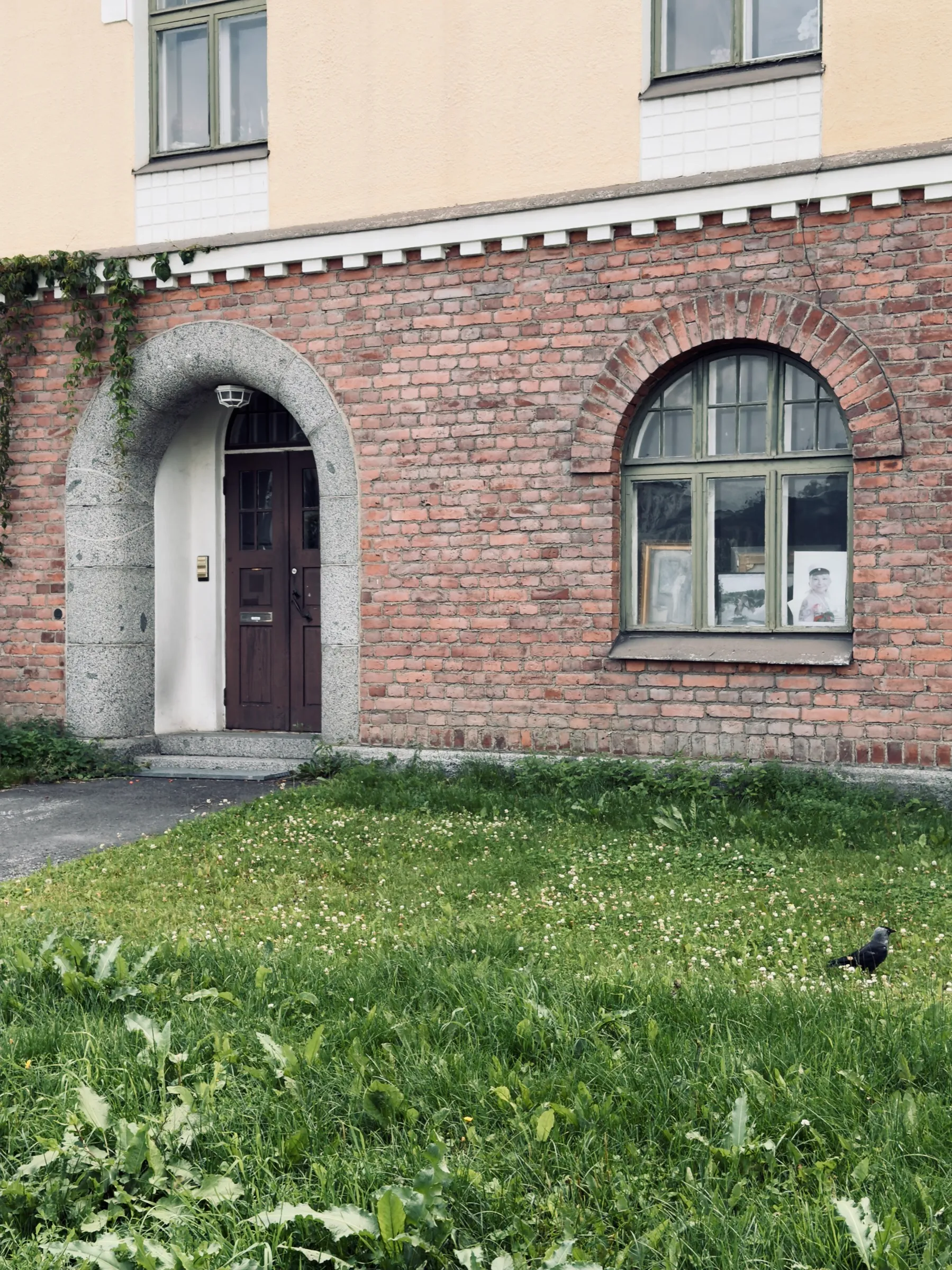
One more word about where I stay, because the little house has a bigger story than it lets on. From Keinusaarentie it looks like a free-standing cottage. In fact it is the preserved gable of the former office and administration building of the Hämeenlinna cloth mill, the Hämeenlinnan Verkatehdas. Built in 1907 in the Jugendstil manner: light plaster above red brick, and above that the curved gable with the arched window that already appears in photographs from that time. The ground floor held the cloth store, the middle floor the factory offices, and the top floor was living space. So people have lived here from the very beginning.
The cloth mill itself was founded in 1895 and was the town's first truly large industrial enterprise. A workforce of 46 at the start grew to around 1,300 at its peak, producing mainly woollen cloth and other textiles. The factory had electric light before electricity was generally available in the rest of the town. The office building was deliberately more representative than the sober production halls: the light Jugendstil gable faced the town and the street, while behind it stretched the long red factory buildings with spinning mills, weaving halls, workshops and stores. The official building survey names precisely this gable as a defining element of the facade.
Textile production ended in 1963. The city of Hämeenlinna bought the site in 1978 and converted it, piece by piece, for culture and public life: the large Verkatehdas culture and congress complex opened in 2007, and the theatre followed in 2010, its dark stage architecture deliberately kept connected to the historic factory buildings. Today the ensemble is part of a nationally significant cultural heritage area, together with the former royal granaries and the art museum. So I am not just staying between the theatre and a school. I am staying in the middle of this town's industrial history, in the house that once switched its lights on.
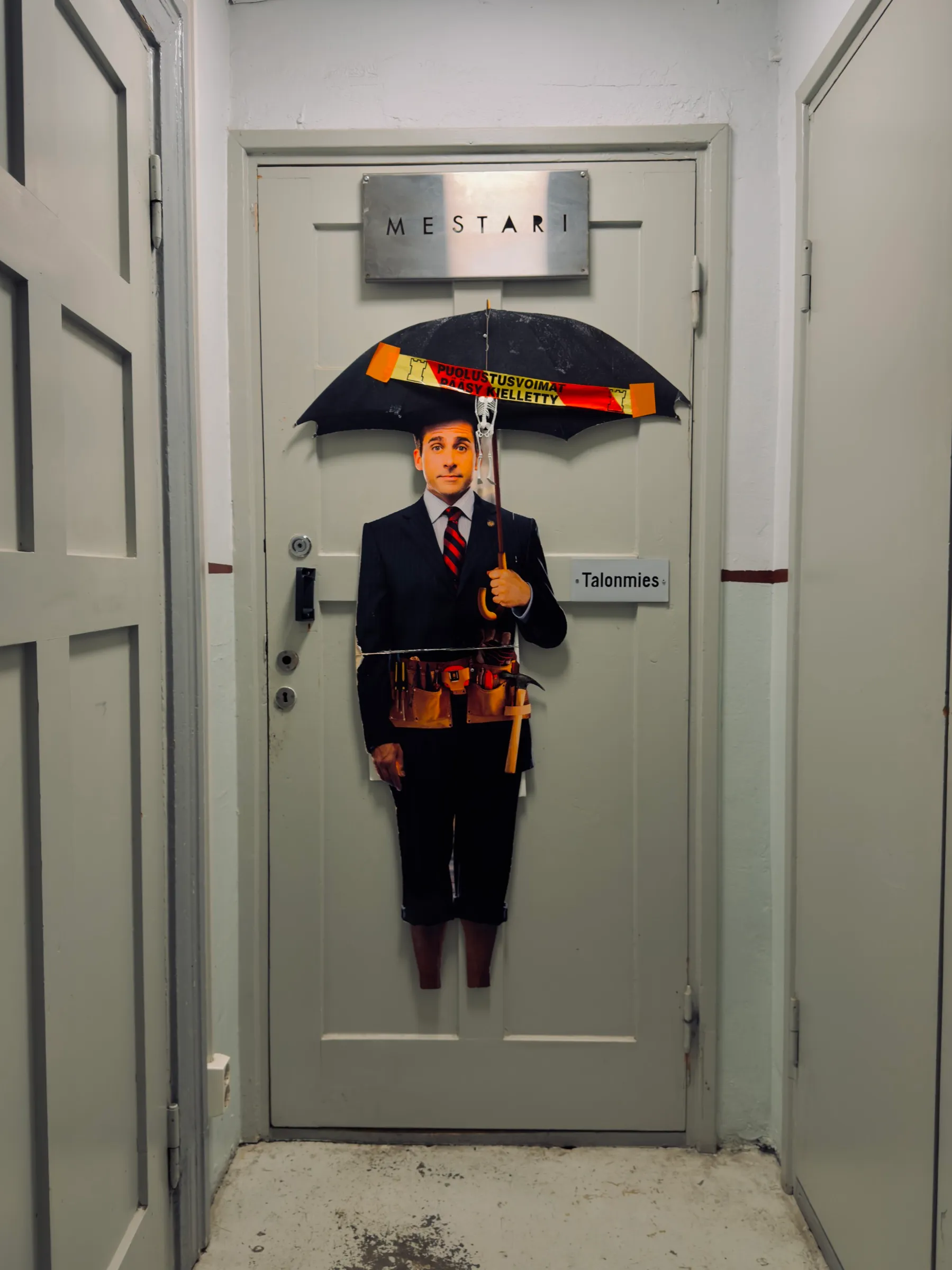
My invitation came from the Kaputa Association, a young art association from Hämeenlinna. The person behind it is Minttu Saarinen, a visual artist herself: in her installations and works she connects Finnish folk tradition and myths with the present, and she exhibits far beyond this town. She built this city art residency, organised the accommodation, planned the programme and welcomed me in person on my first afternoon. The residency is designed for the long run, three years, and it has a backstory: between the artists' group here and the BBK Celle, the artists' association I chair, there is a regular exchange with reciprocal visits and exhibitions. The accommodation is funded by the city of Hämeenlinna, which sees the partnership with Celle as the frame for a lasting cultural cooperation.
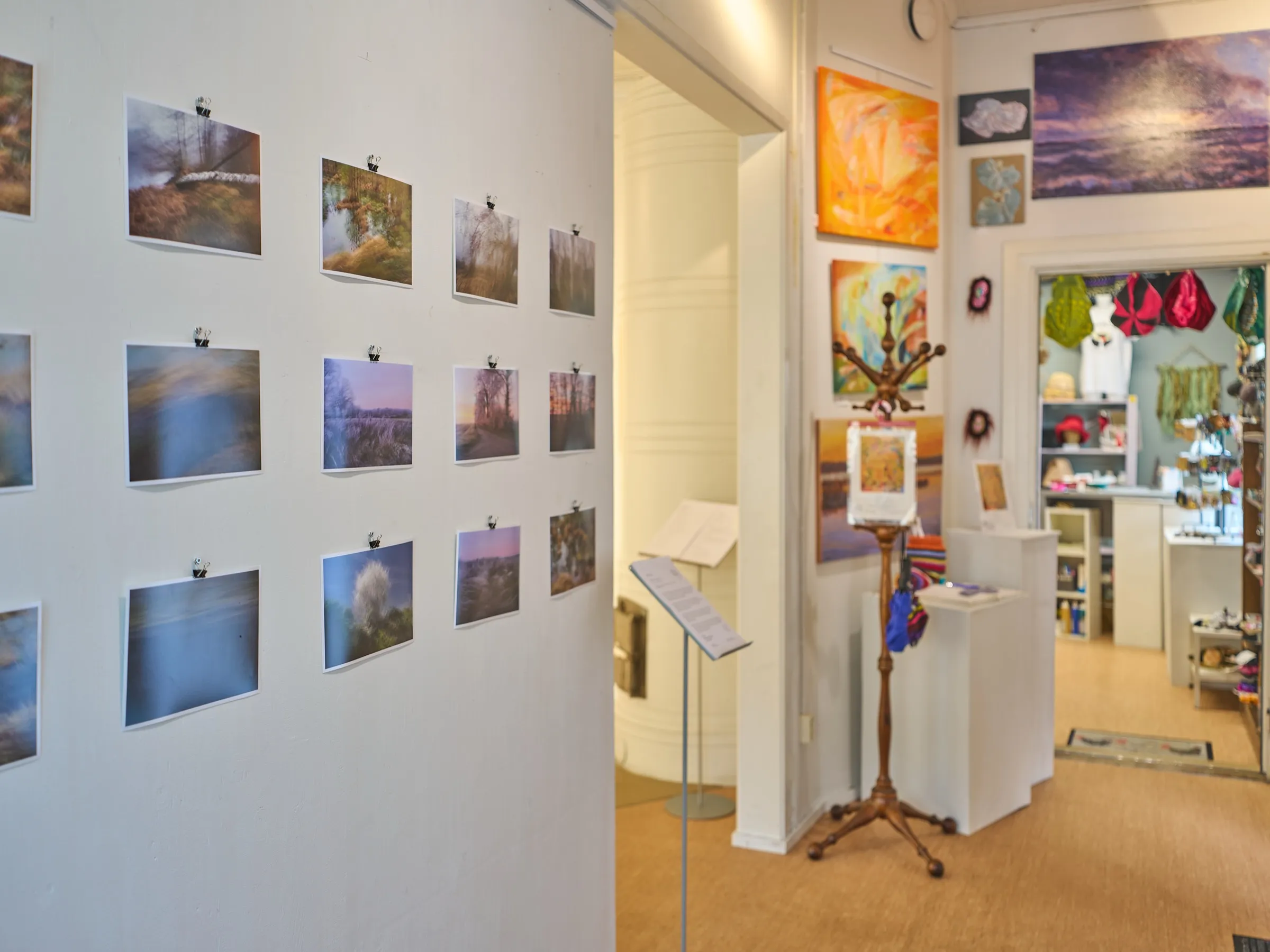
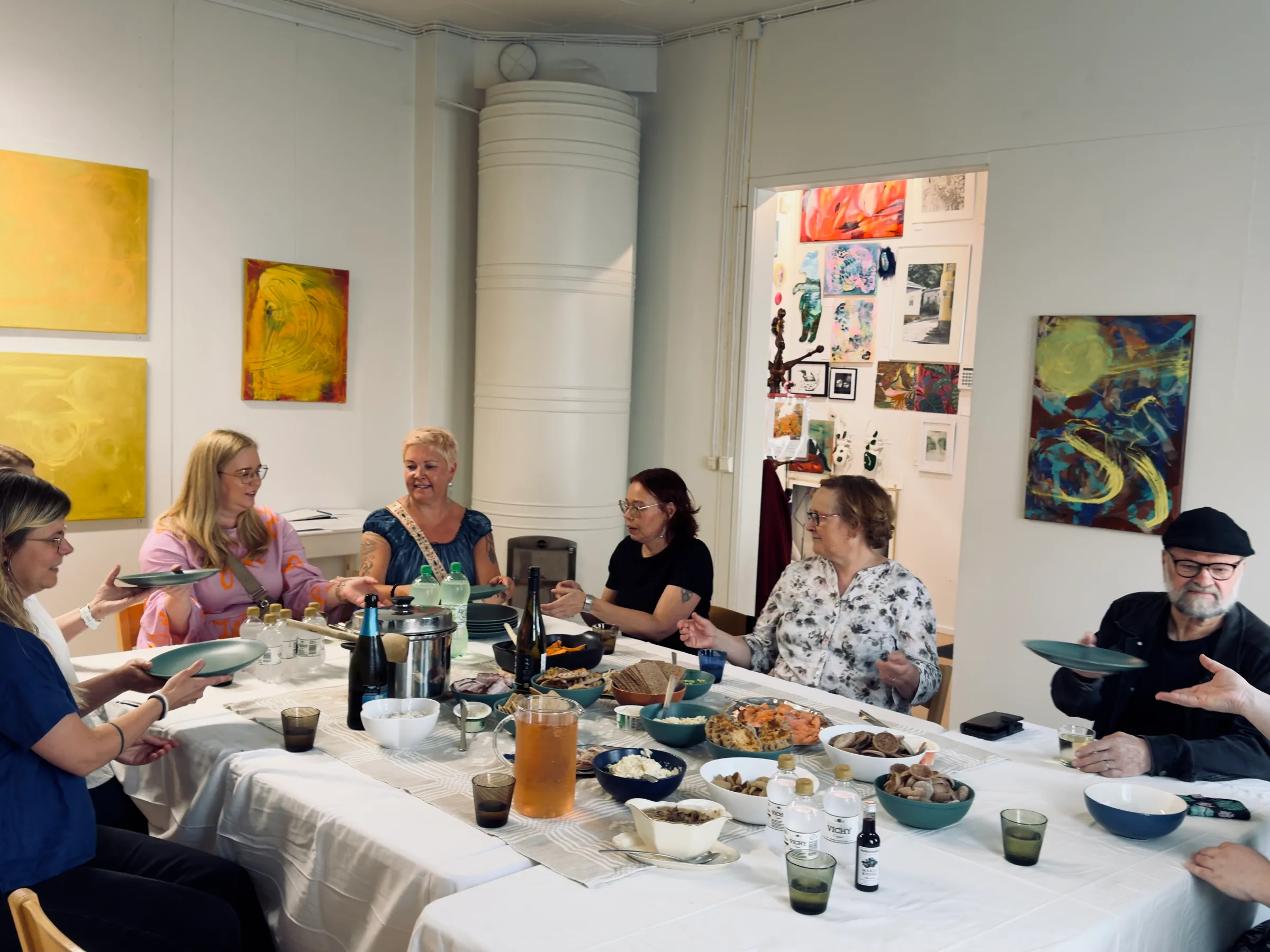
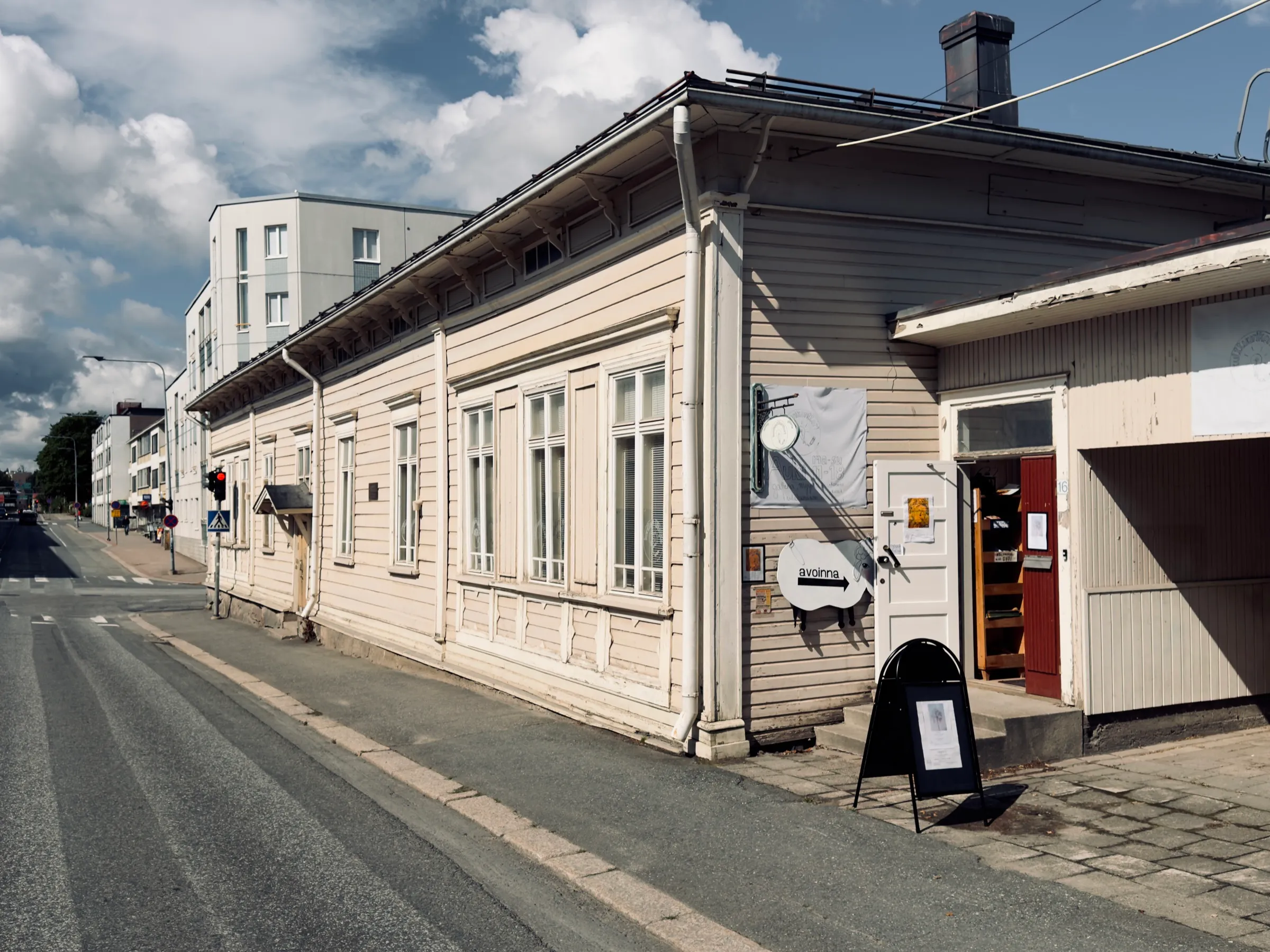
In the evening, my first walk to Kulttuurikonttori at Lukiokatu 16, an old wooden house in the middle of town, with an artist-run gallery, a shop, an art lending service and courses, open daily from 11 to 18. Minttu had warned me: nobody finds the entrance at the far end of the building on their first try. True. Inside, Minttu is waiting, along with Outi Anttila and several members of Hämeenlinna's Finnish-German Society, the Suomi-Saksa-Yhdistys. Outi chairs the society, speaks wonderful German and is one of the people who have been filling this town twinning with life for years. It becomes a warm first evening among people I had not known just hours before.
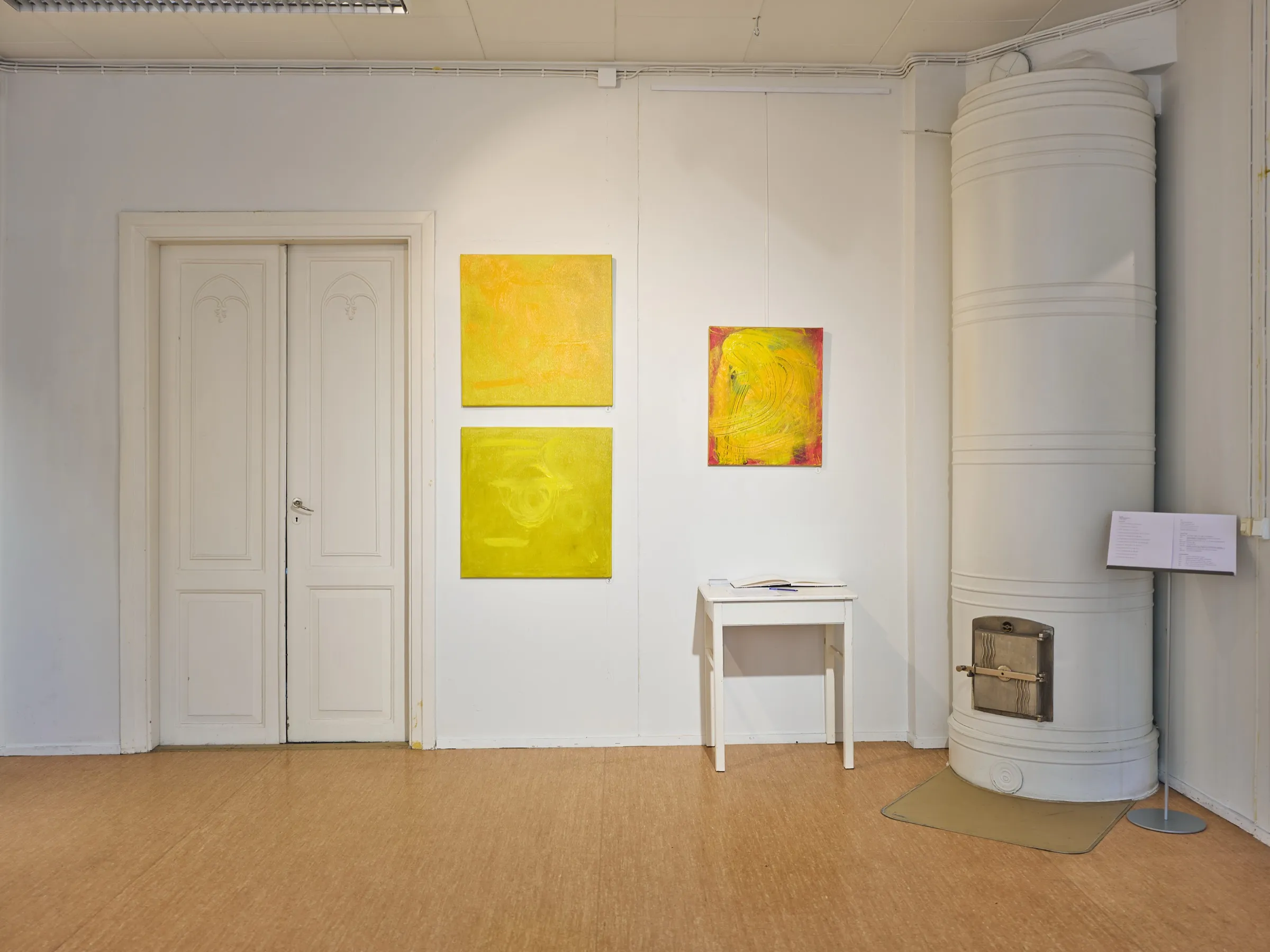
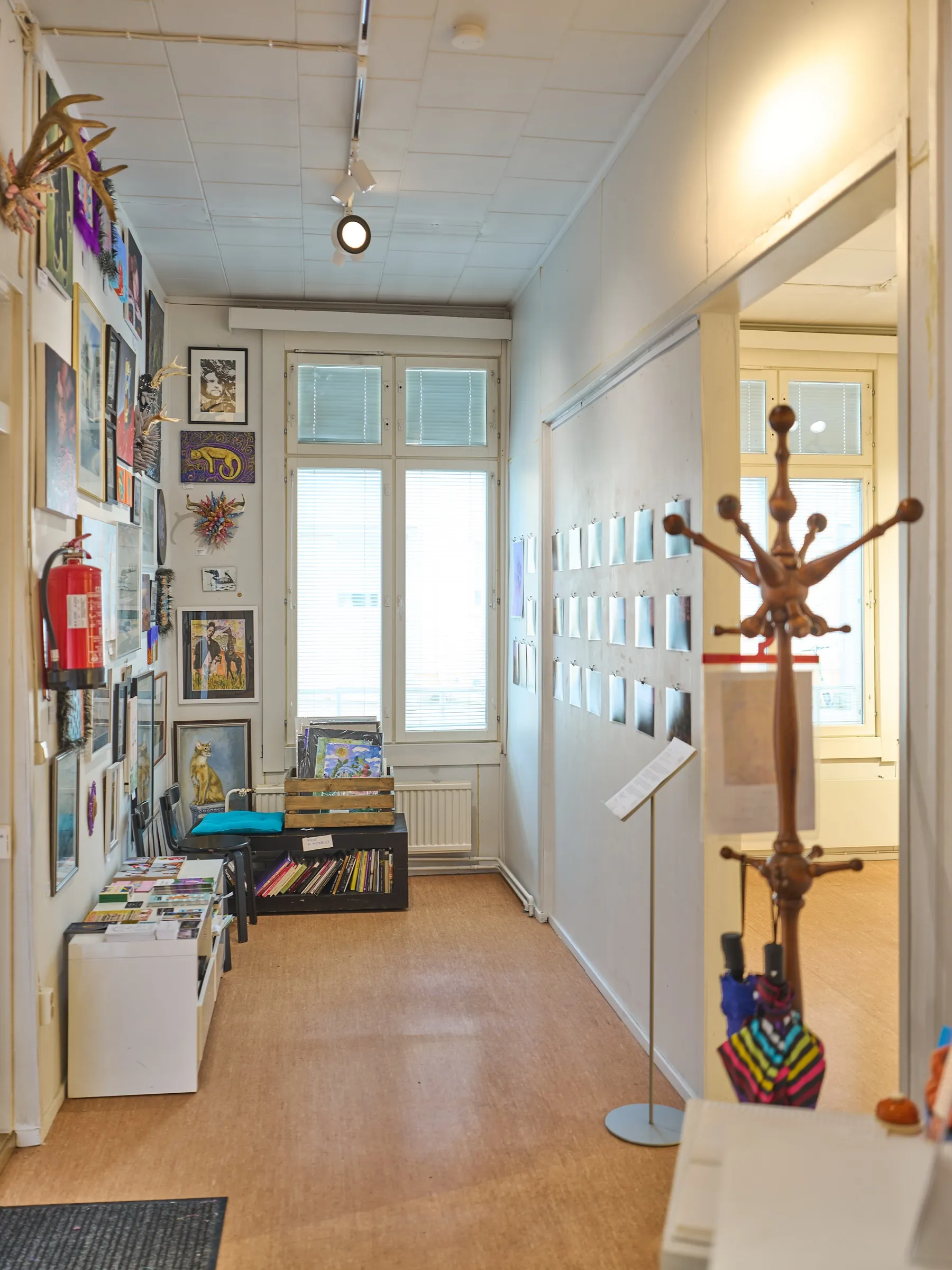
The next morning Minttu and I sit over ideas for the residency: what do I want to see here, what does the town want to show, where is the second look worth taking. Then we hang a small selection of my photographs in the house. Seeing my own pictures on unfamiliar walls, in a country that itself appears in some of them: a strangely beautiful moment. From now on I am no longer just a guest here, a piece of my work already lives in this house.
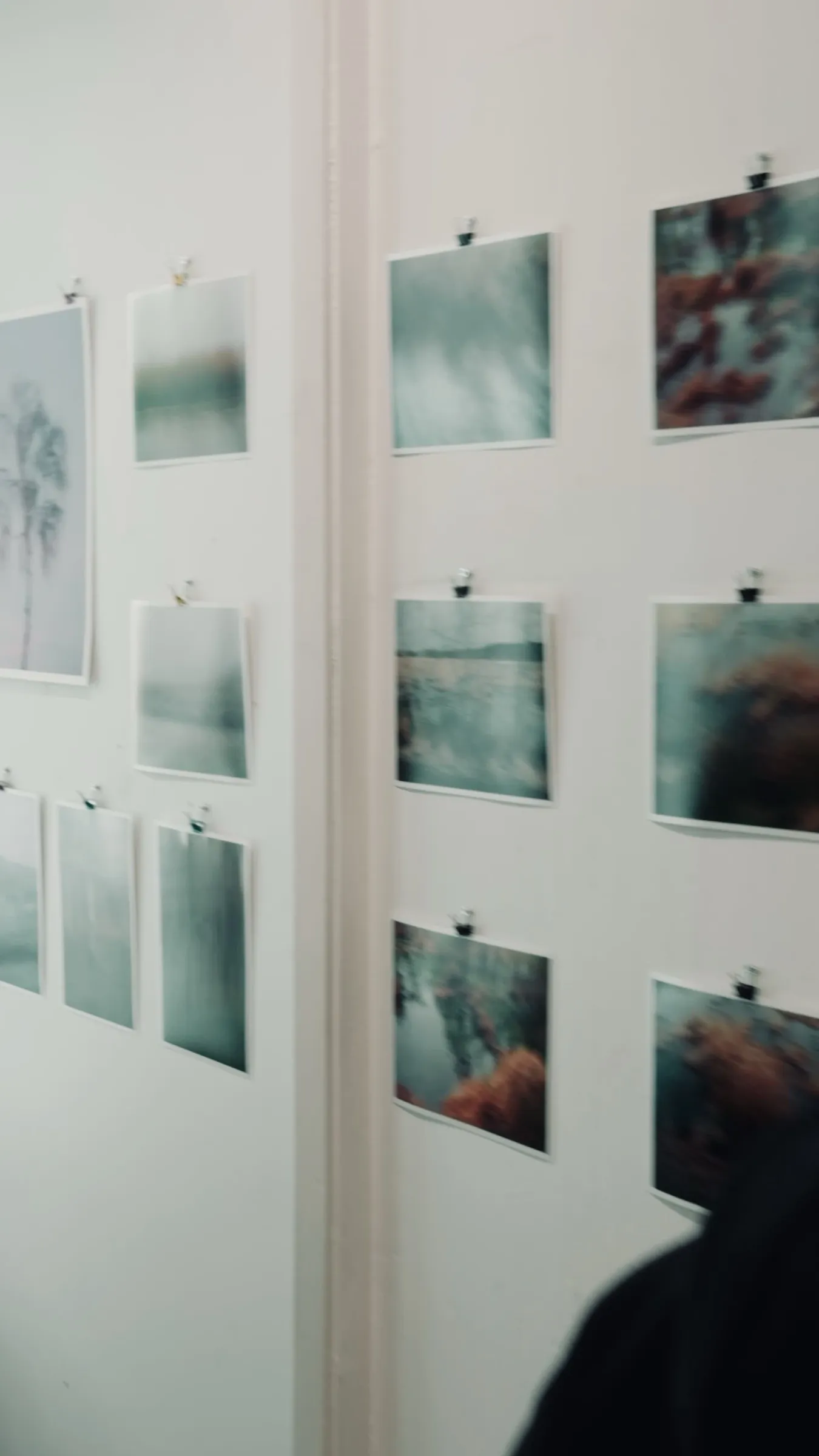
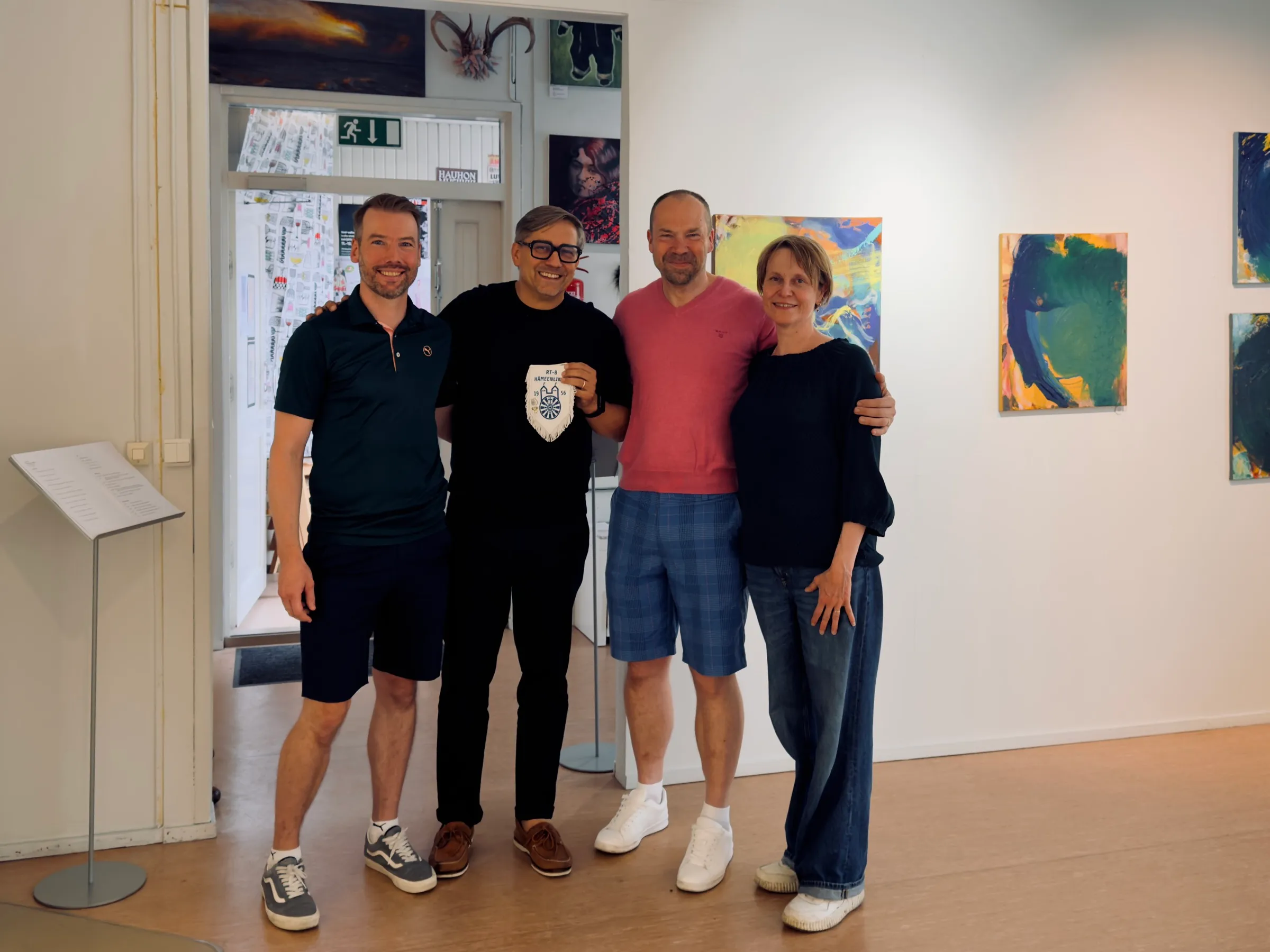
And then, in these first days, Ville and Rolf are suddenly standing in my small exhibition. Until then I had never seen either of them, we were only connected by a few Facebook messages. They are from OT 18, an Old Tablers club here in the region. Round Table is an international network of men up to 40 that connects friendship and commitment across borders, organised in Finland as Round Table Suomi Finland. And those past 40 simply keep meeting in the sister organisation Old Tablers, just like these two.
I am a Tabler myself, and that is exactly the beauty of it: it takes no long shared history. A message, a name, a shared spirit, and suddenly you are no longer a stranger in a strange town. For me this began years ago with visits to our friends from the Round Table in Lappeenranta, and it simply continues here in Hämeenlinna. The same warmth, the same hospitality, across borders and languages. Thank you, Ville and Rolf. You turned an ordinary day into something I will remember.
Nobody finds the entrance on their first try.“Minttu's directions, day 1