A day with Terho, who seems to know everyone
Today I was lucky enough to be out and about again with Terho Aalto, the photography legend of Hämeenlinna. In a foreign town, in a language you do not understand, it is a gift to have someone at your side who seems to know everyone. And Terho really does know everyone. The previous story tells of our first tour together, into the Tuijametsä.
Today was about practical things. Terho visited me at the exhibition, and when I told him I had been searching the internet for a printer for the works I am making here, he simply picked up the phone and called the local photo shop. Raatikuva is its name, in town since 1987, founded by Heikki Löflund, who as a boy photographed with his father's Kodak Brownie and who today runs the shop with his son Teemu. Photo supplies, film development, and right in the middle of the shop a large Epson fine art printer of the kind you would rather expect in an industrial print house. We drove over, everything was settled in a few sentences of Finnish, and the matter was done.
Then we went to the framer he trusts. Anu Halmeniemi runs RaamiDaamit, a framing workshop with a small gallery, six little exhibition rooms under one roof, all the way down into the basement. As in many towns, some shopfronts in Hämeenlinna stand empty, and Anu has turned that into a virtue, filling one of those empty spaces with life. In less than ten minutes I had everything I need for producing and presenting my works.
And an invitation on top: the next day, Skarpit at Hämpton opens at her place, the annual exhibition of the Finnish guild of caricaturists and press cartoonists. That a circle would close later that day, I did not know yet.
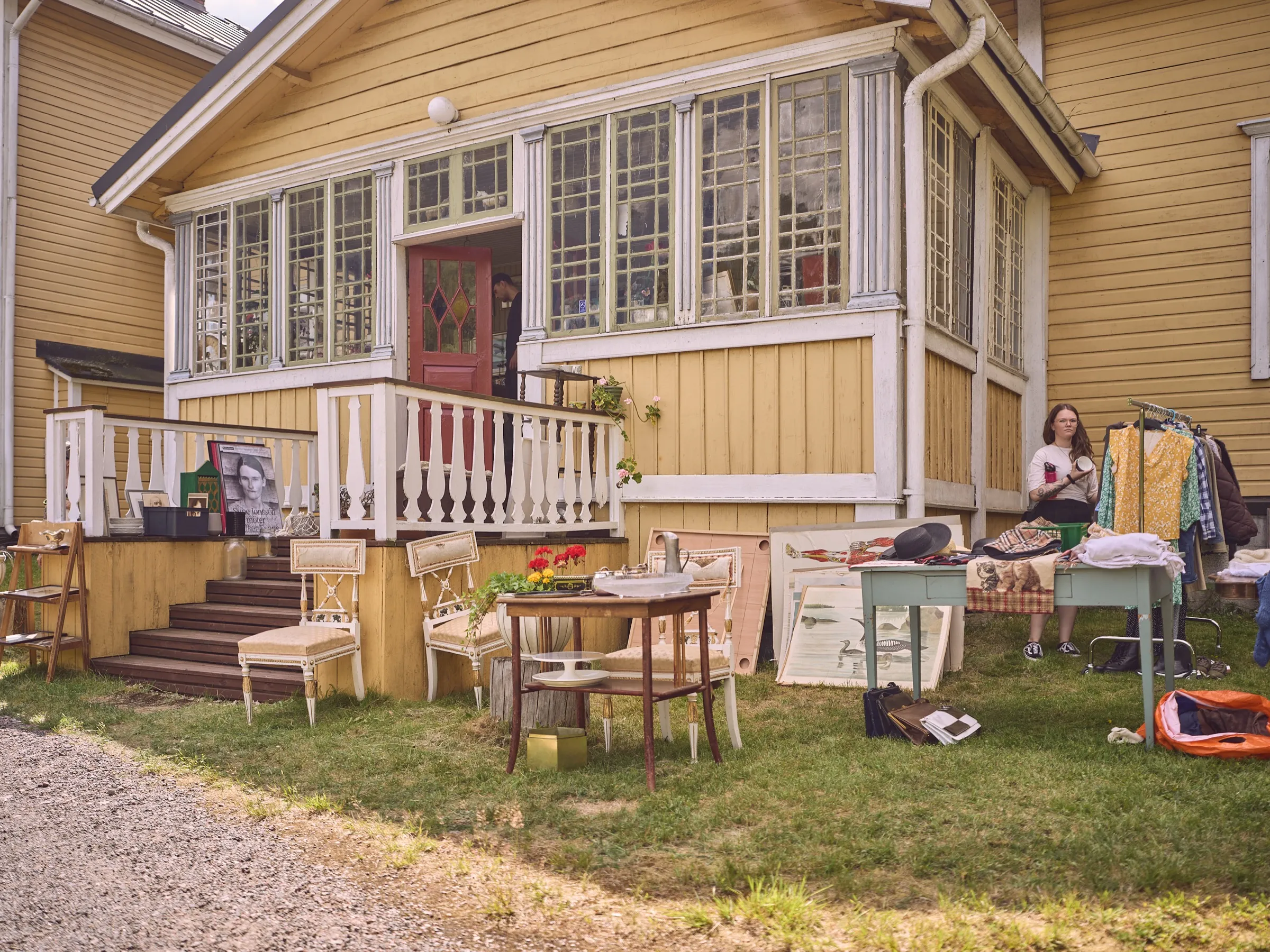
Then we drove out into the Finnish middle of nowhere, half an hour by car, to Launonen in the municipality of Loppi. Friends of Terho were holding a pihakirppis there, a yard flea market of the kind many farms put up here in summer. In front of a yellow wooden house, furniture, clothes and crockery stood in the grass, and I met Eeva Wornell, who addressed me in German right away.
She took her design diploma in Pforzheim in 1970 and lived in Germany for several years. Since the seventies she has been making jewellery and small sculptures from what nature and everyday life leave behind. We would probably call it rubbish, or odd stuff. She says: the story of an old, discarded object is often more fascinating than that of a new one.
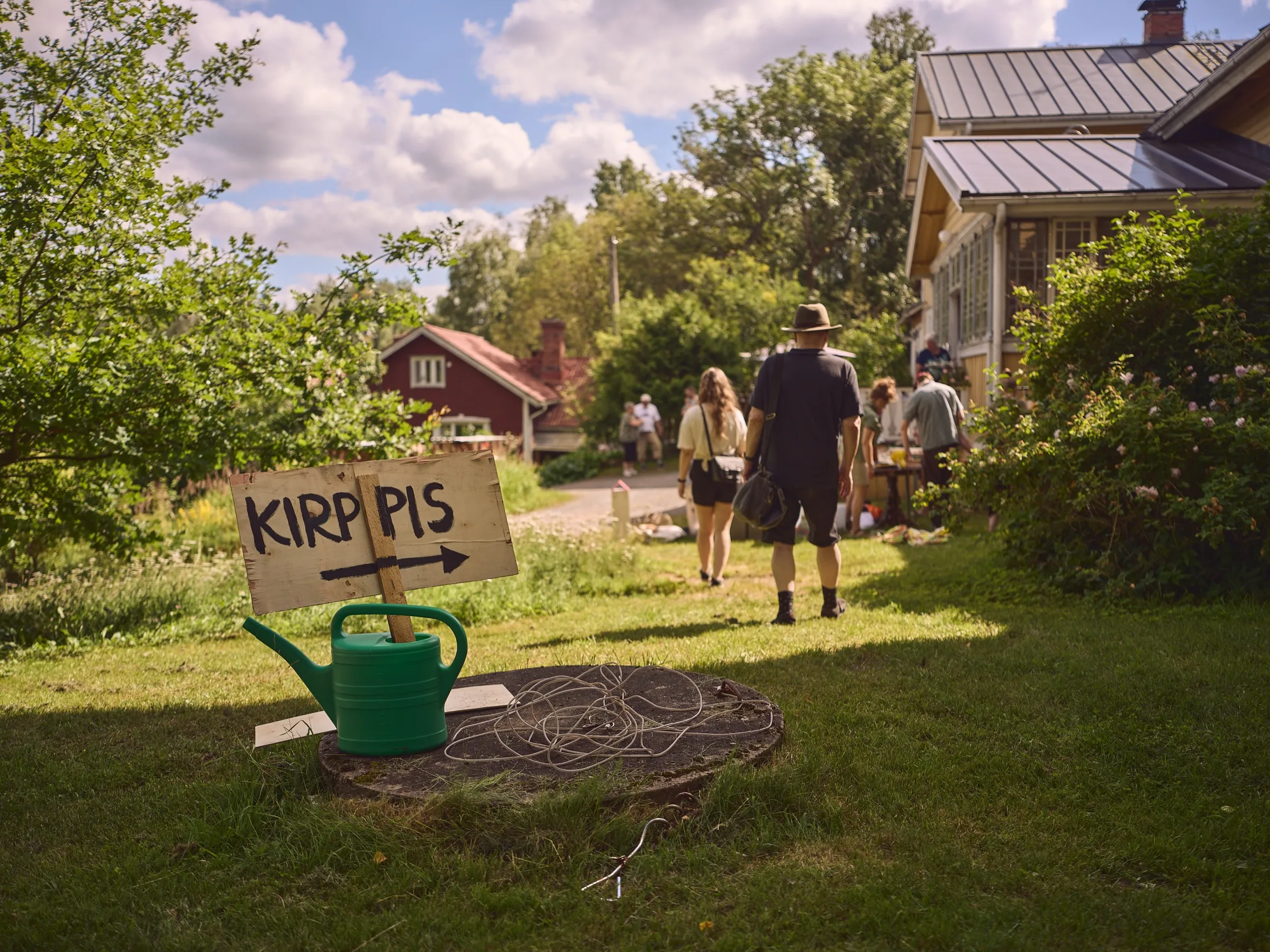
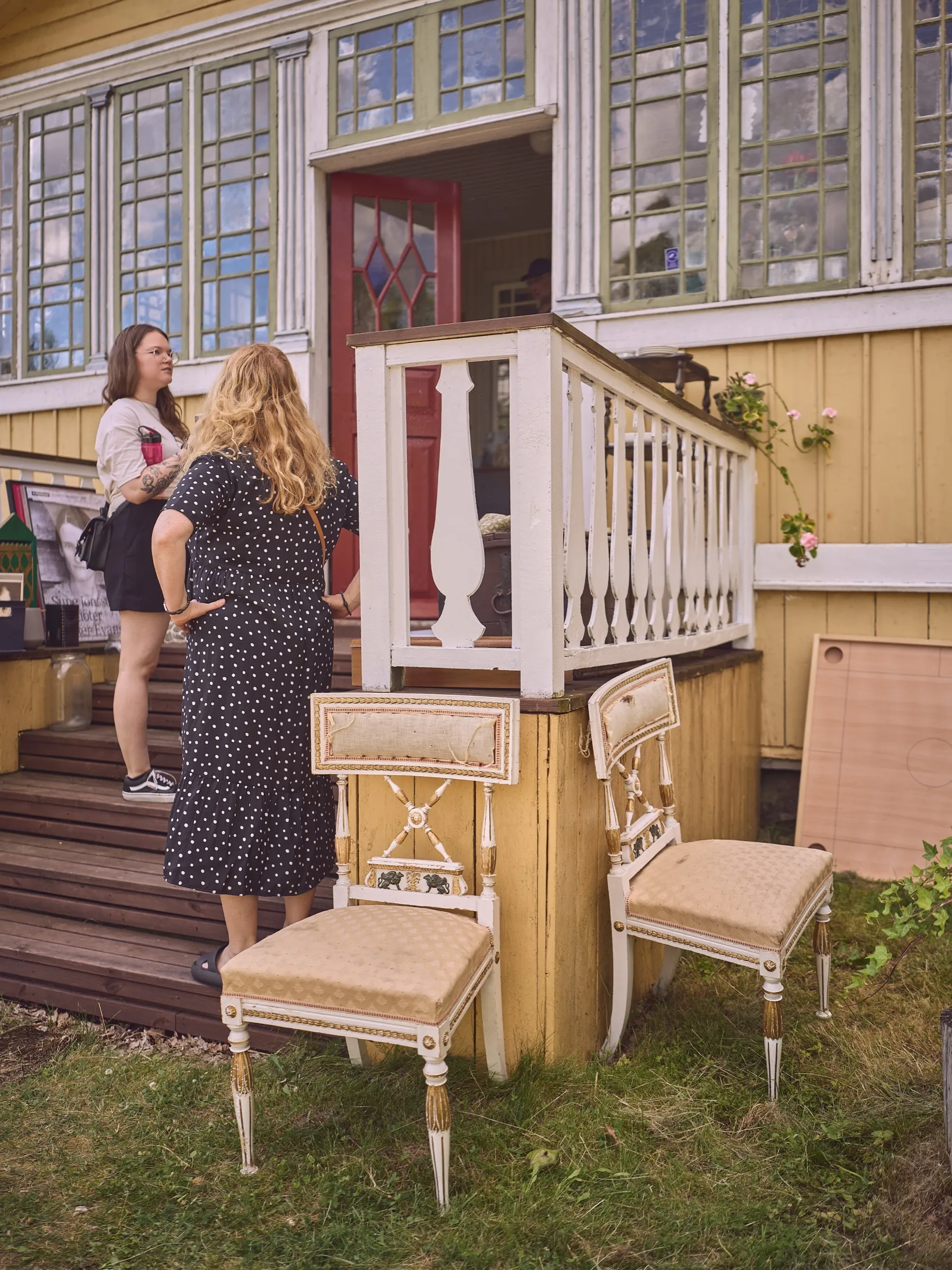
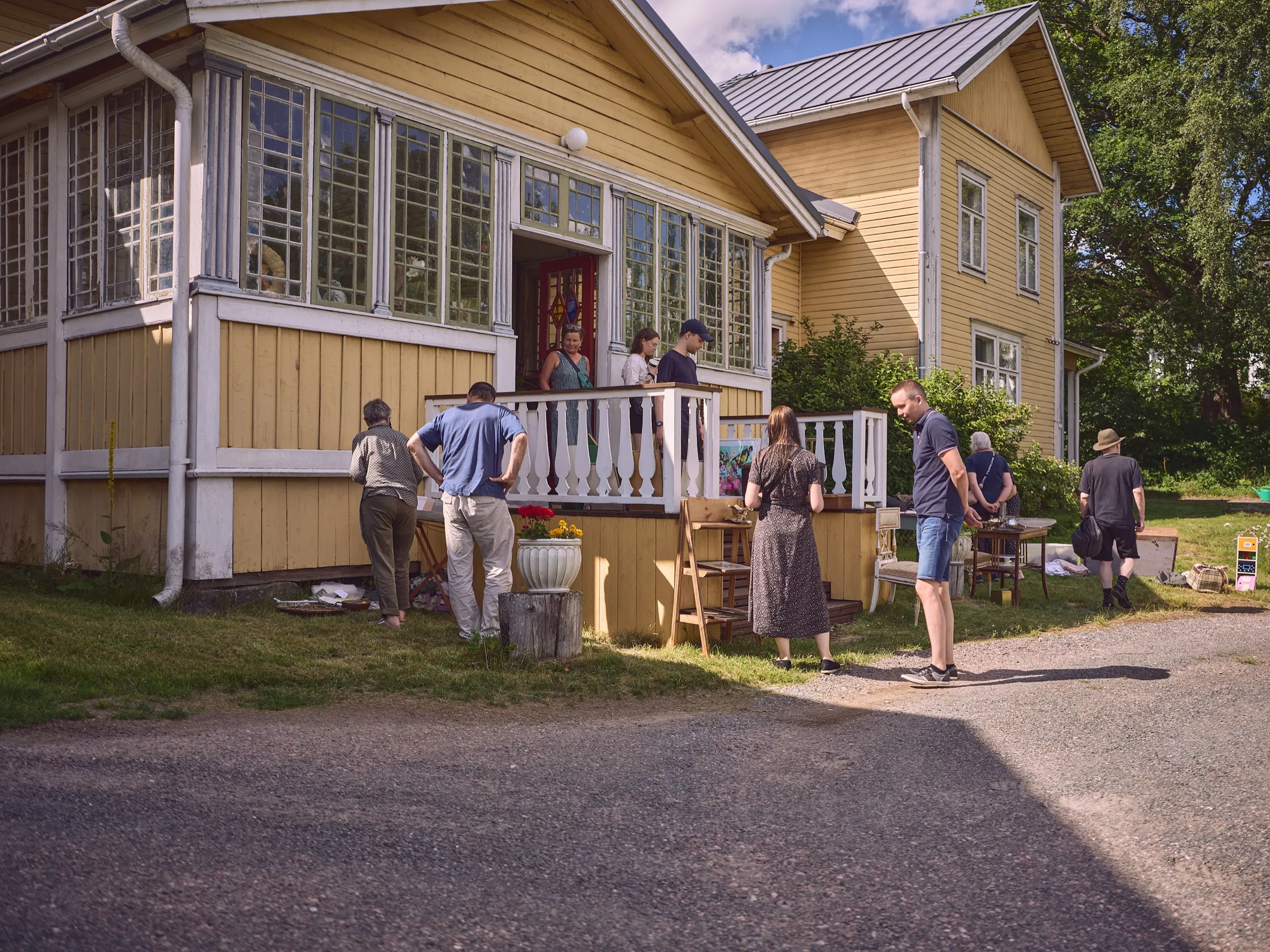
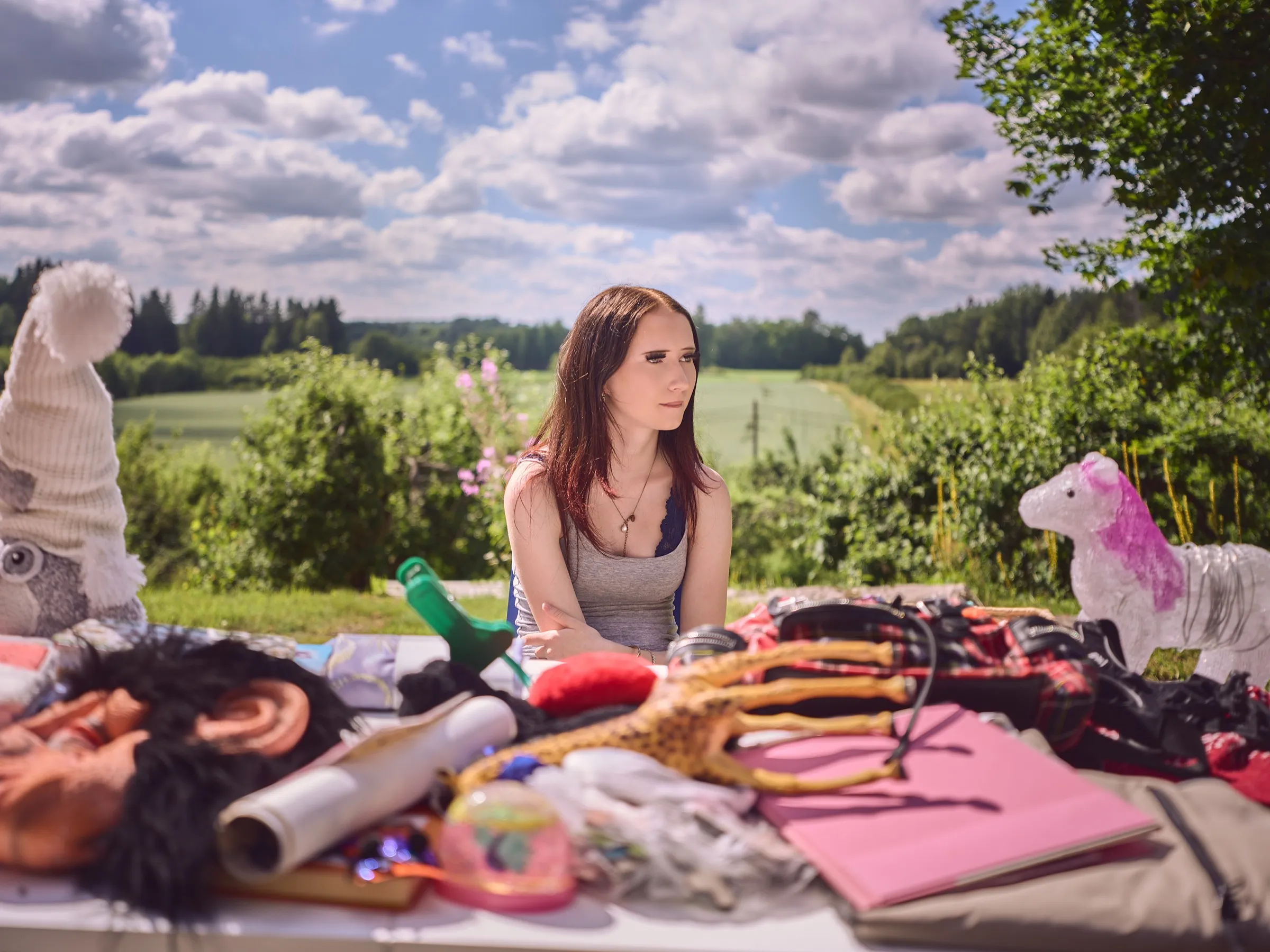
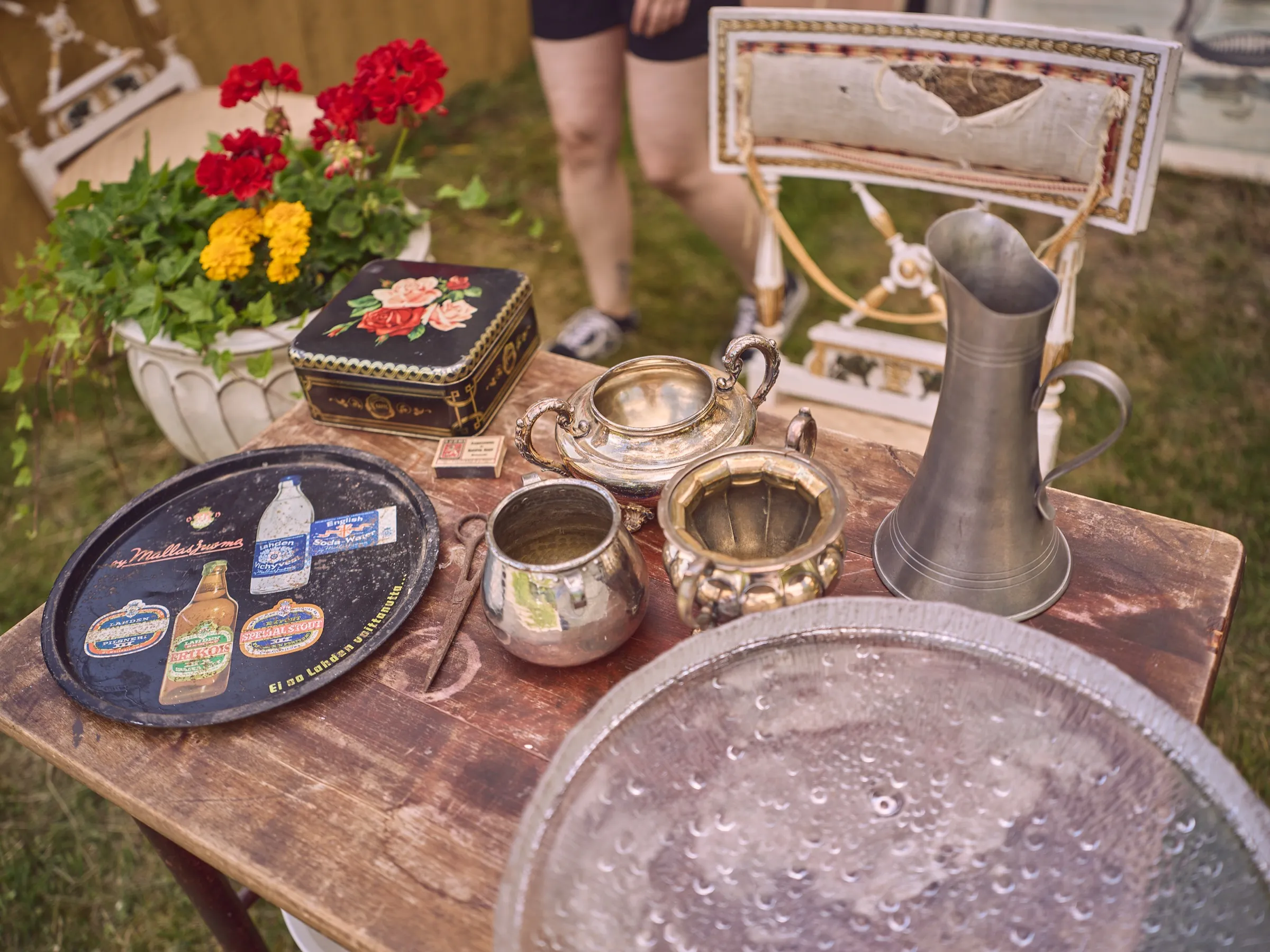
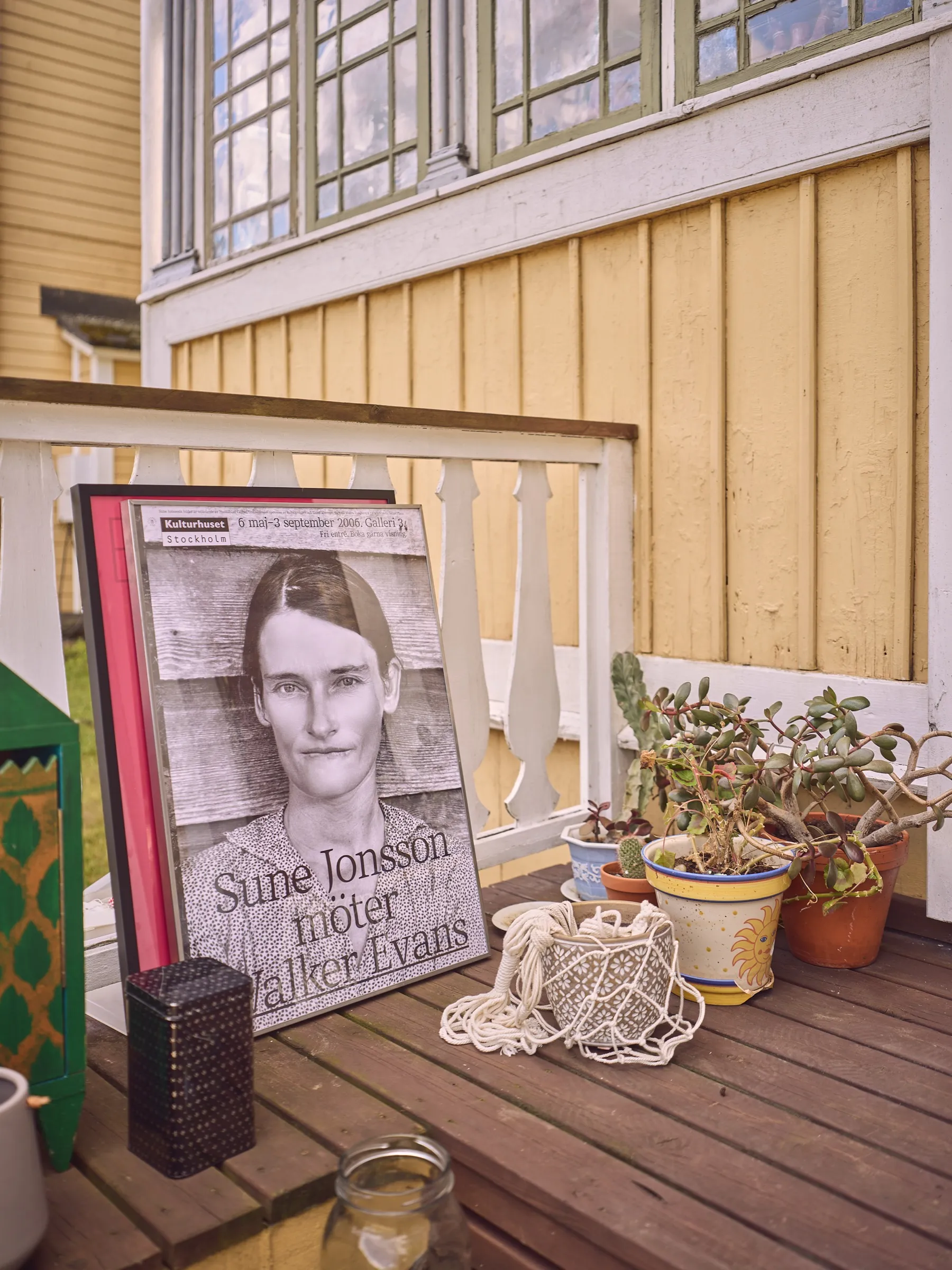
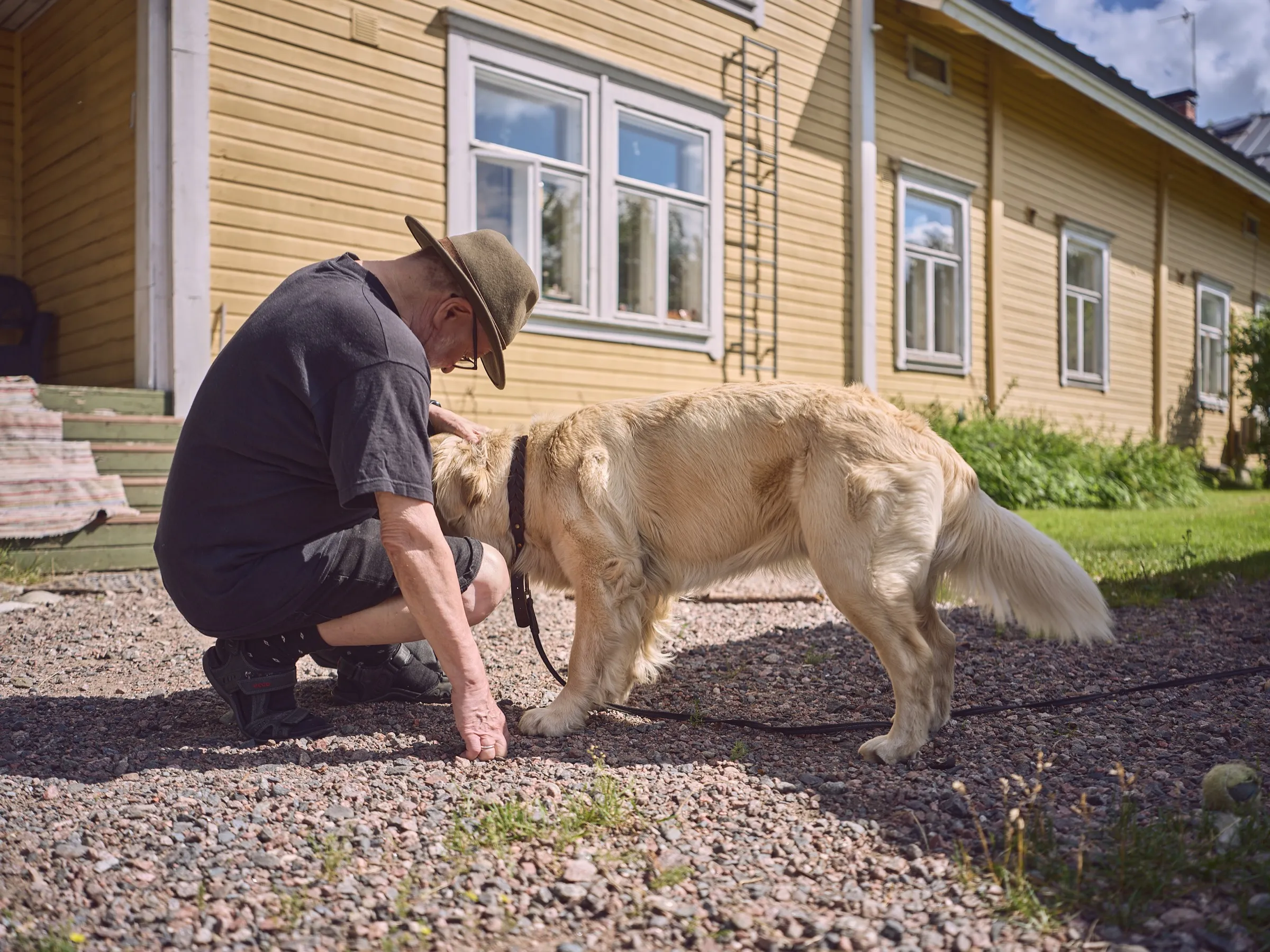
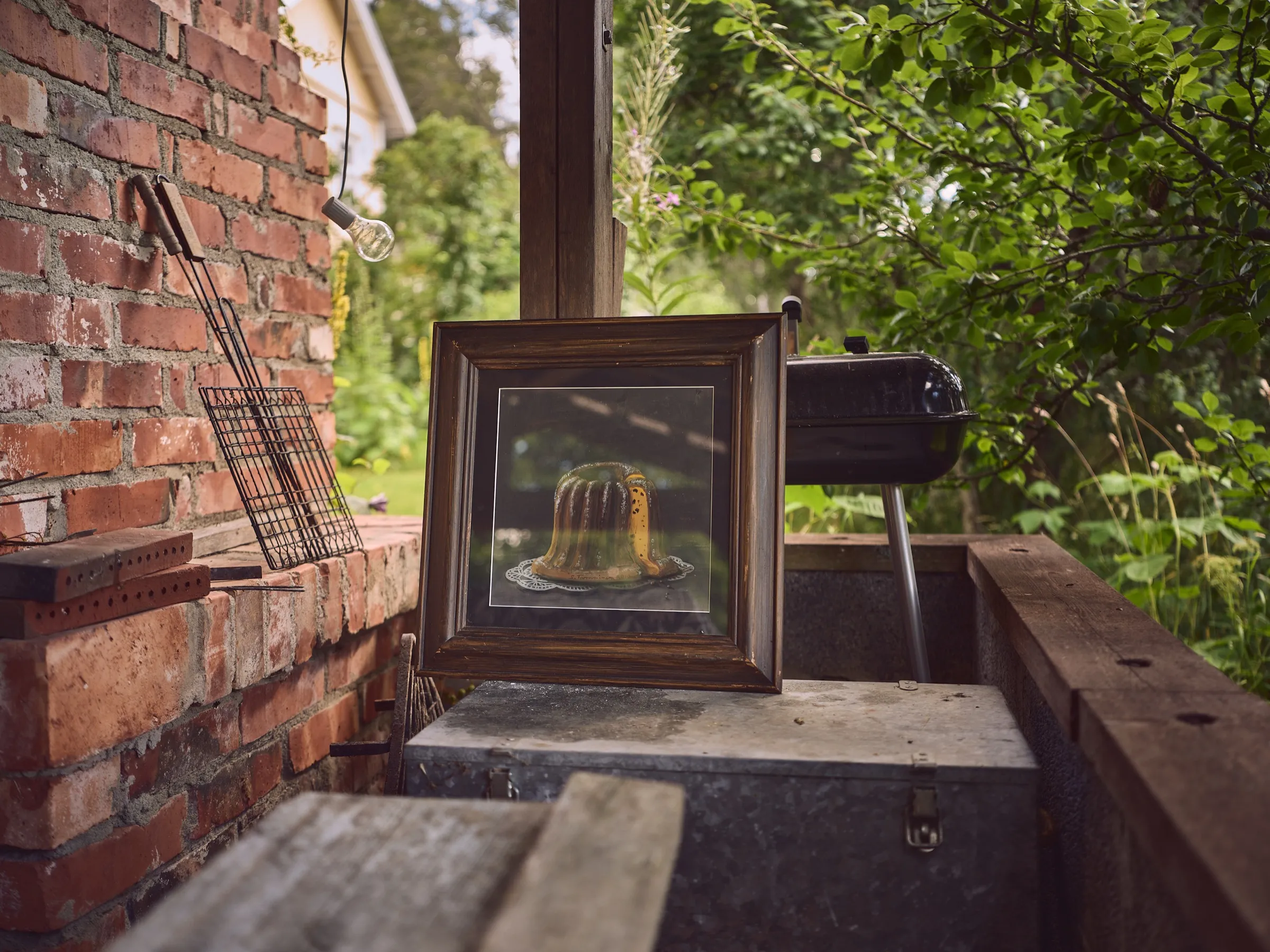
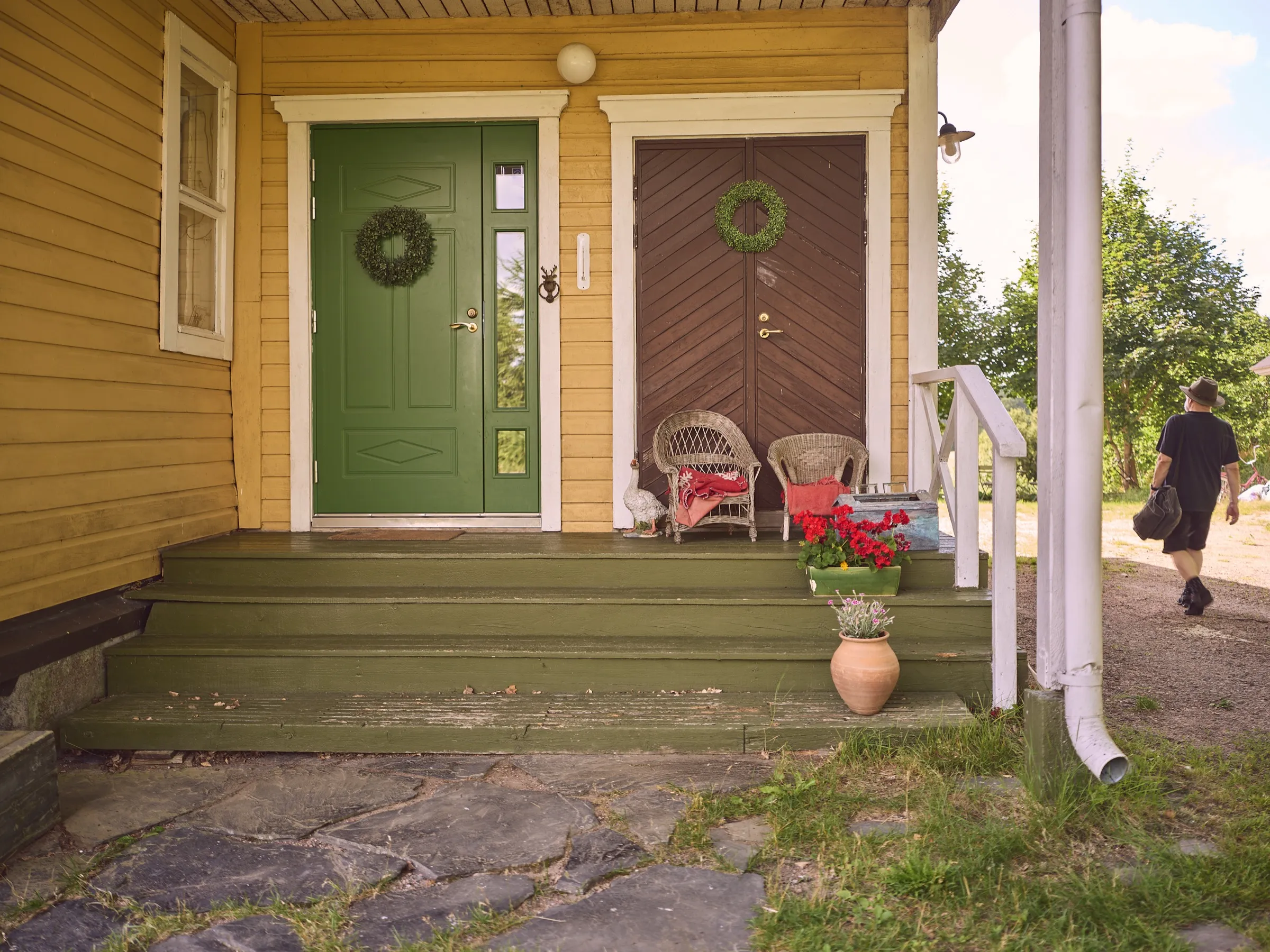
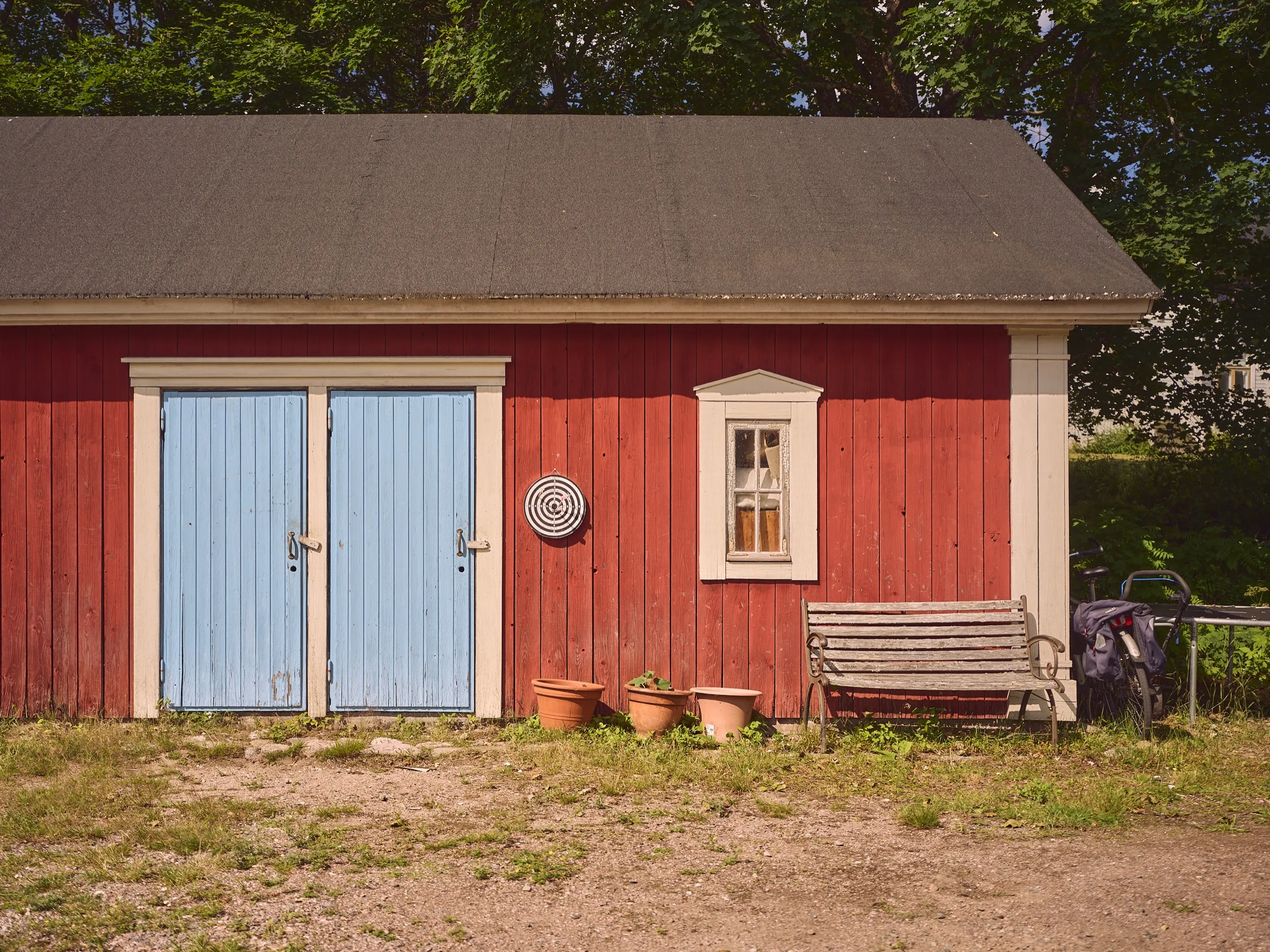
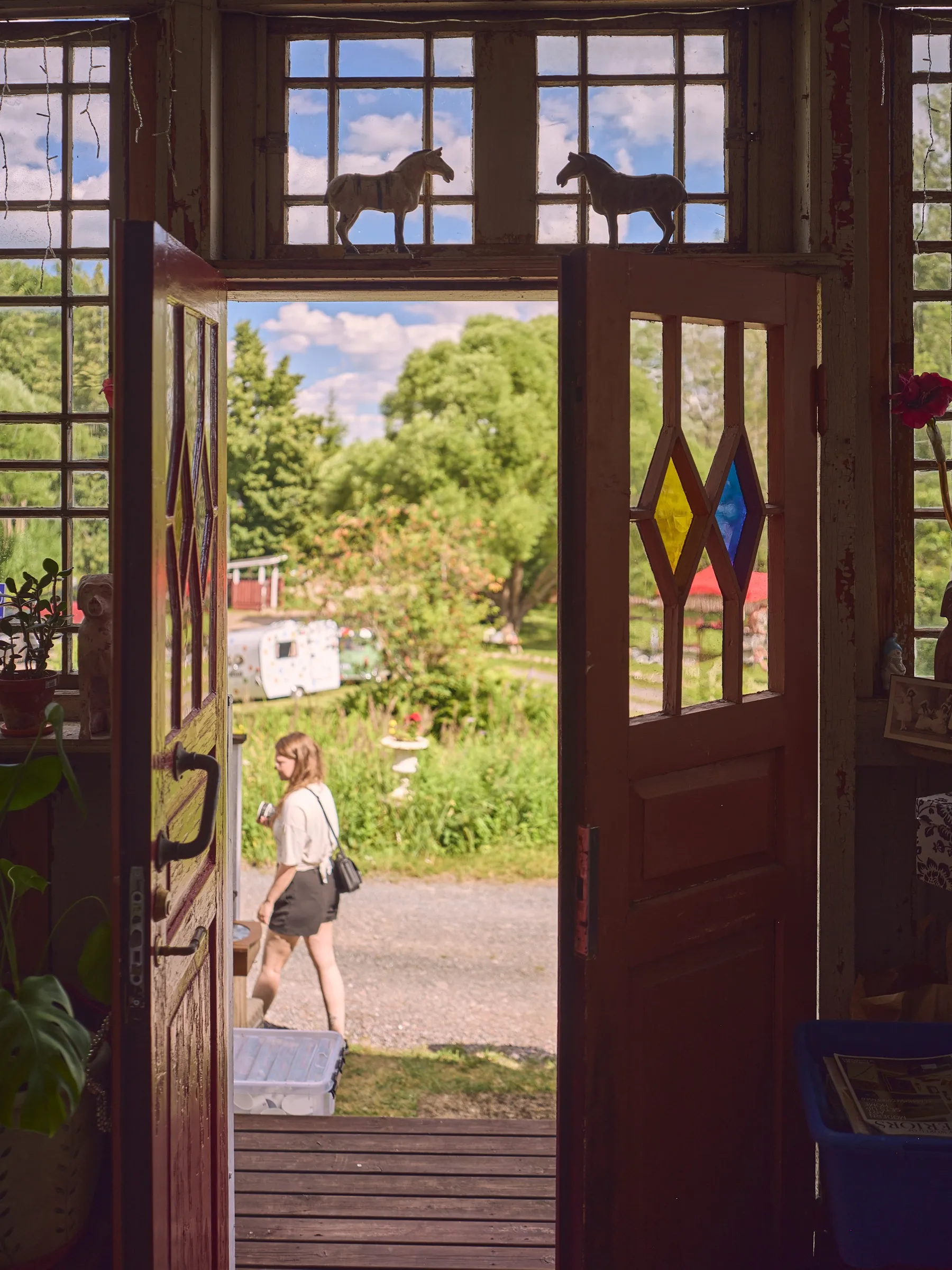
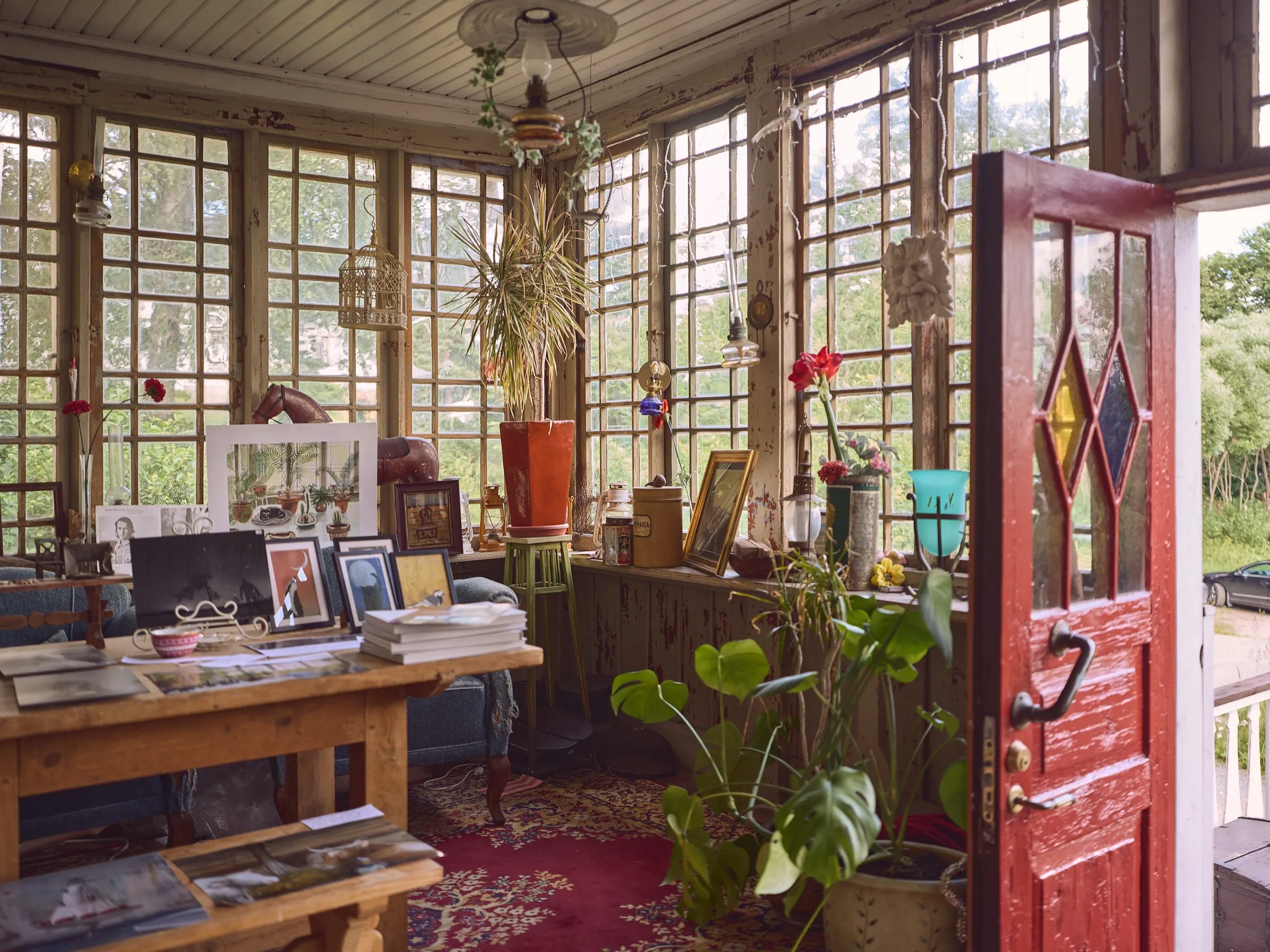
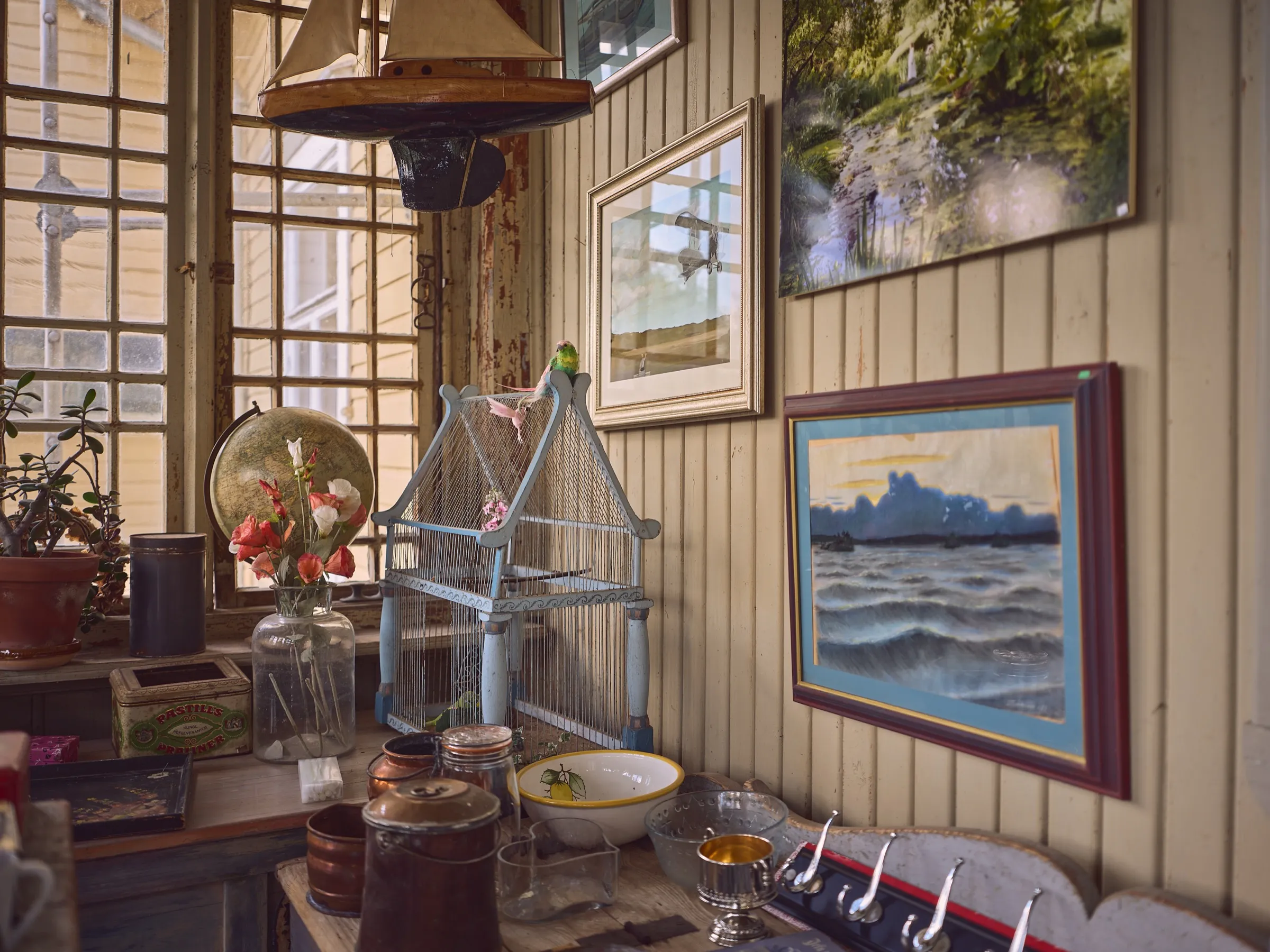
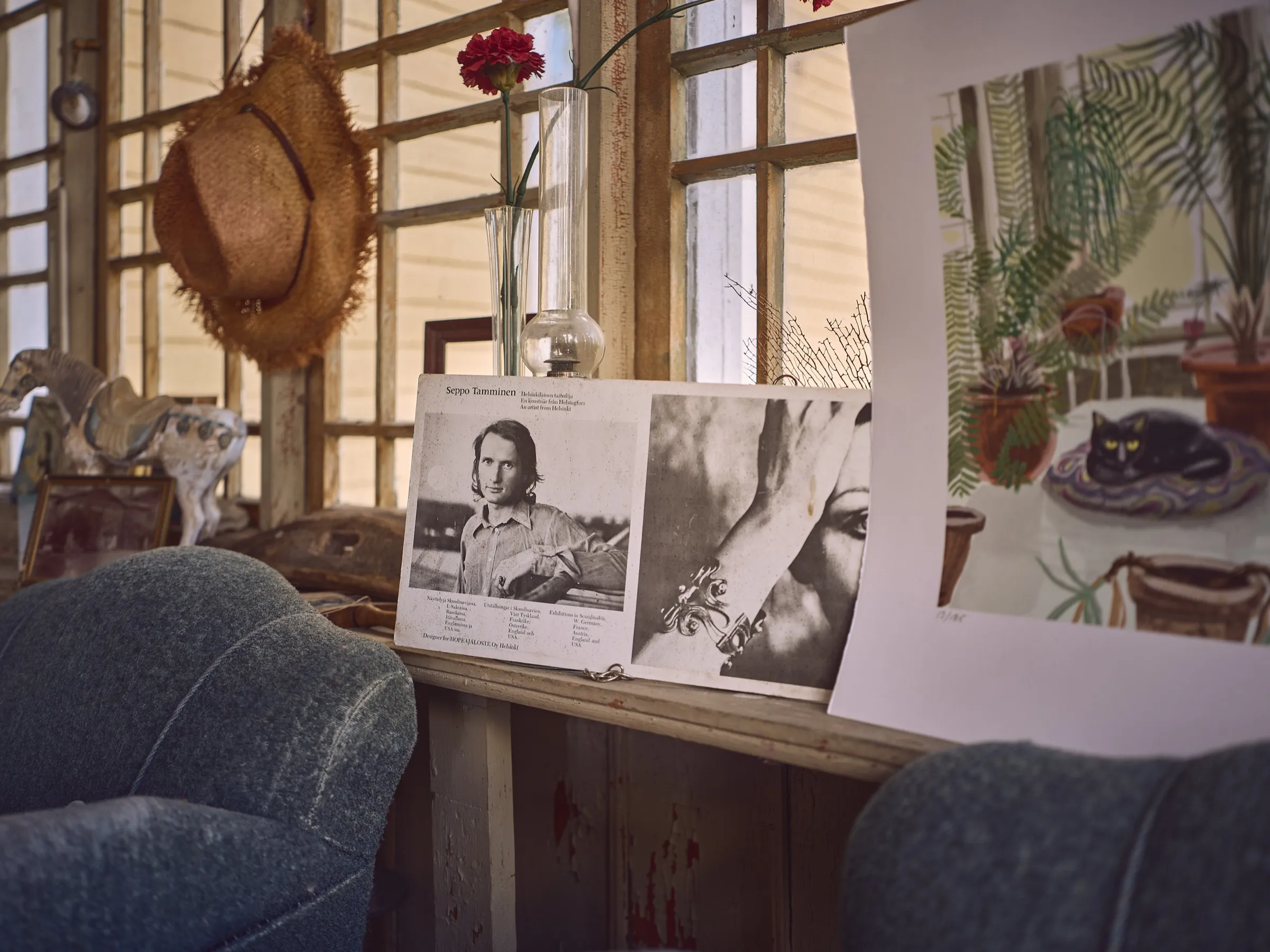
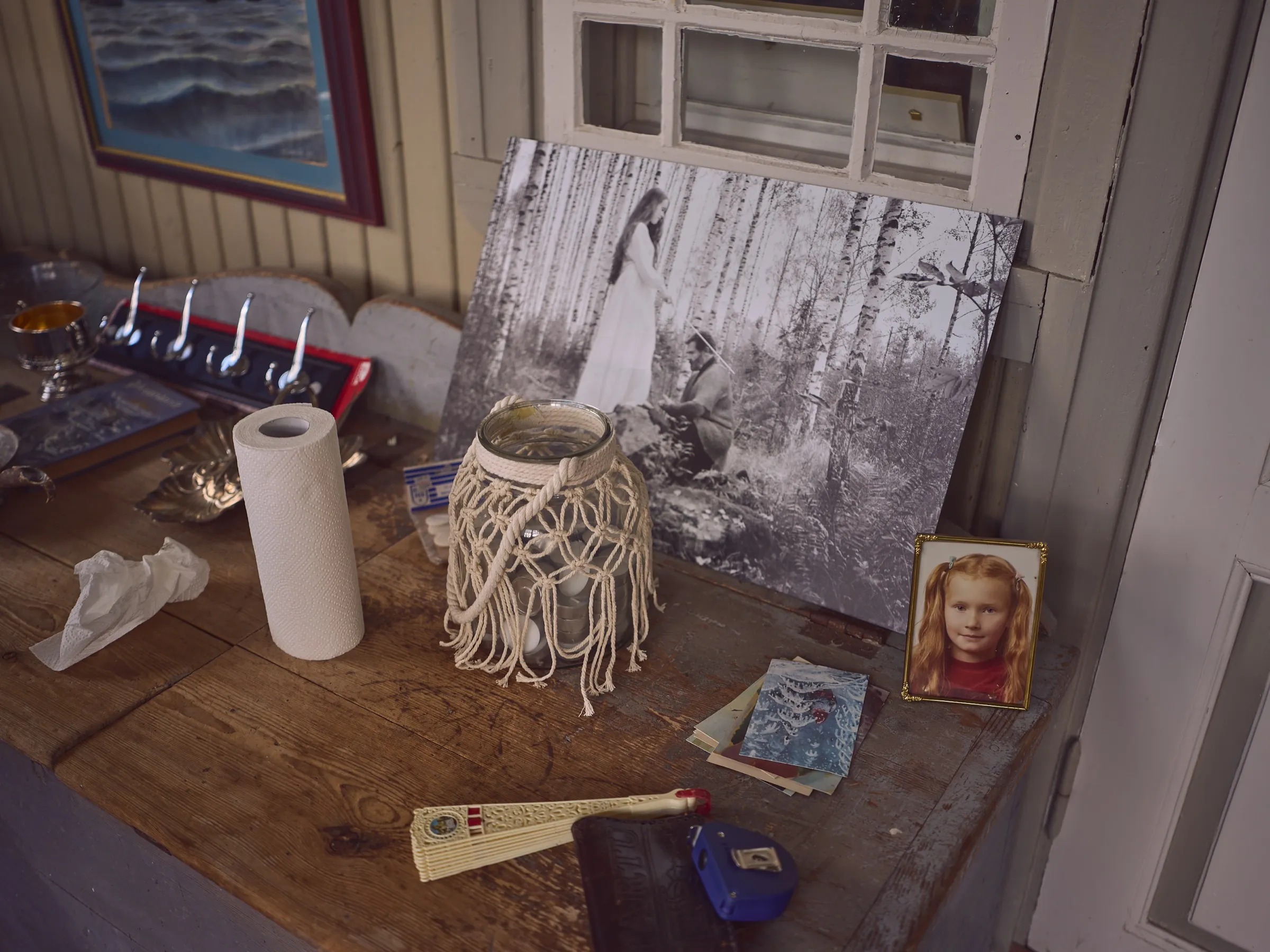
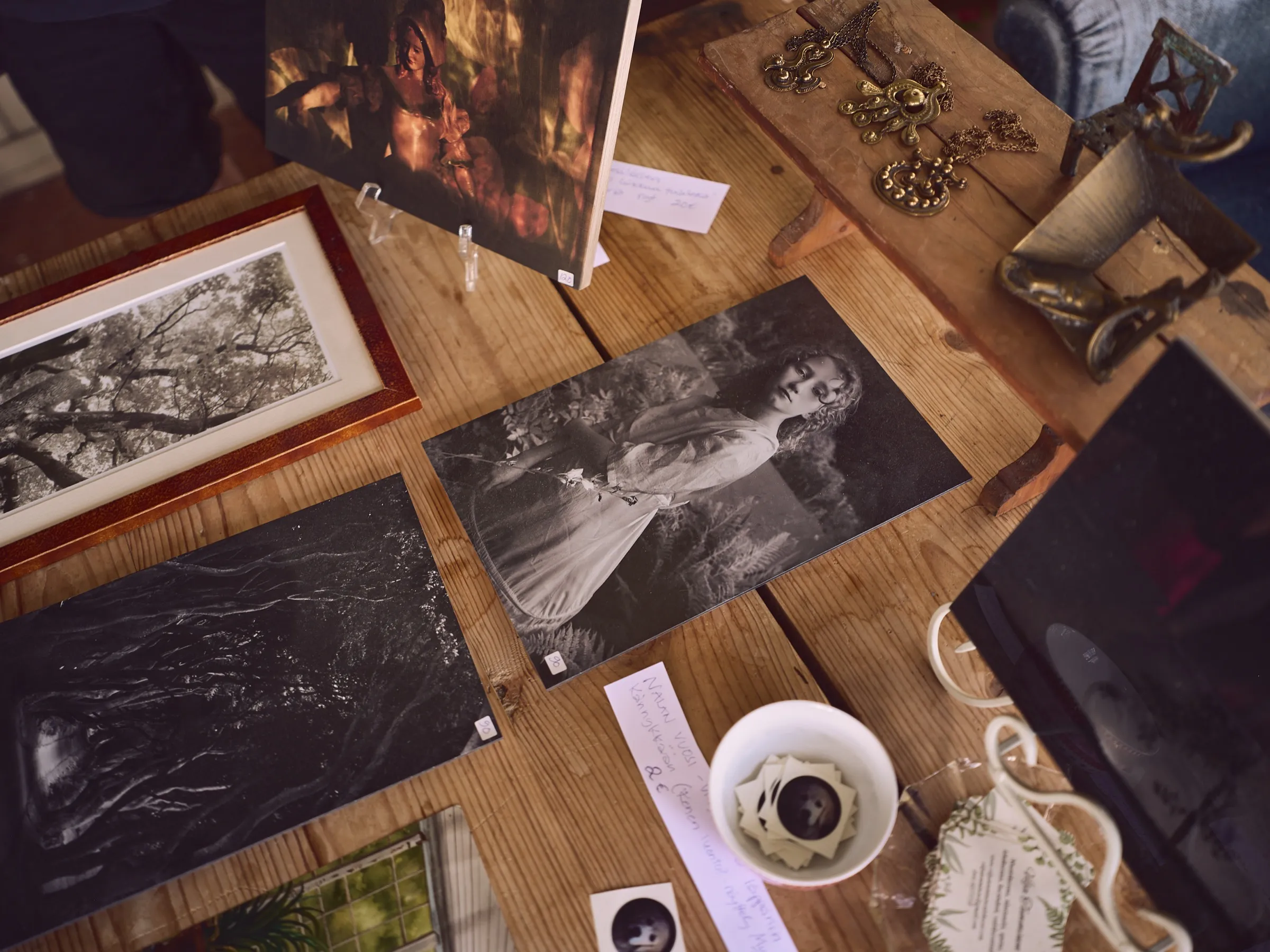
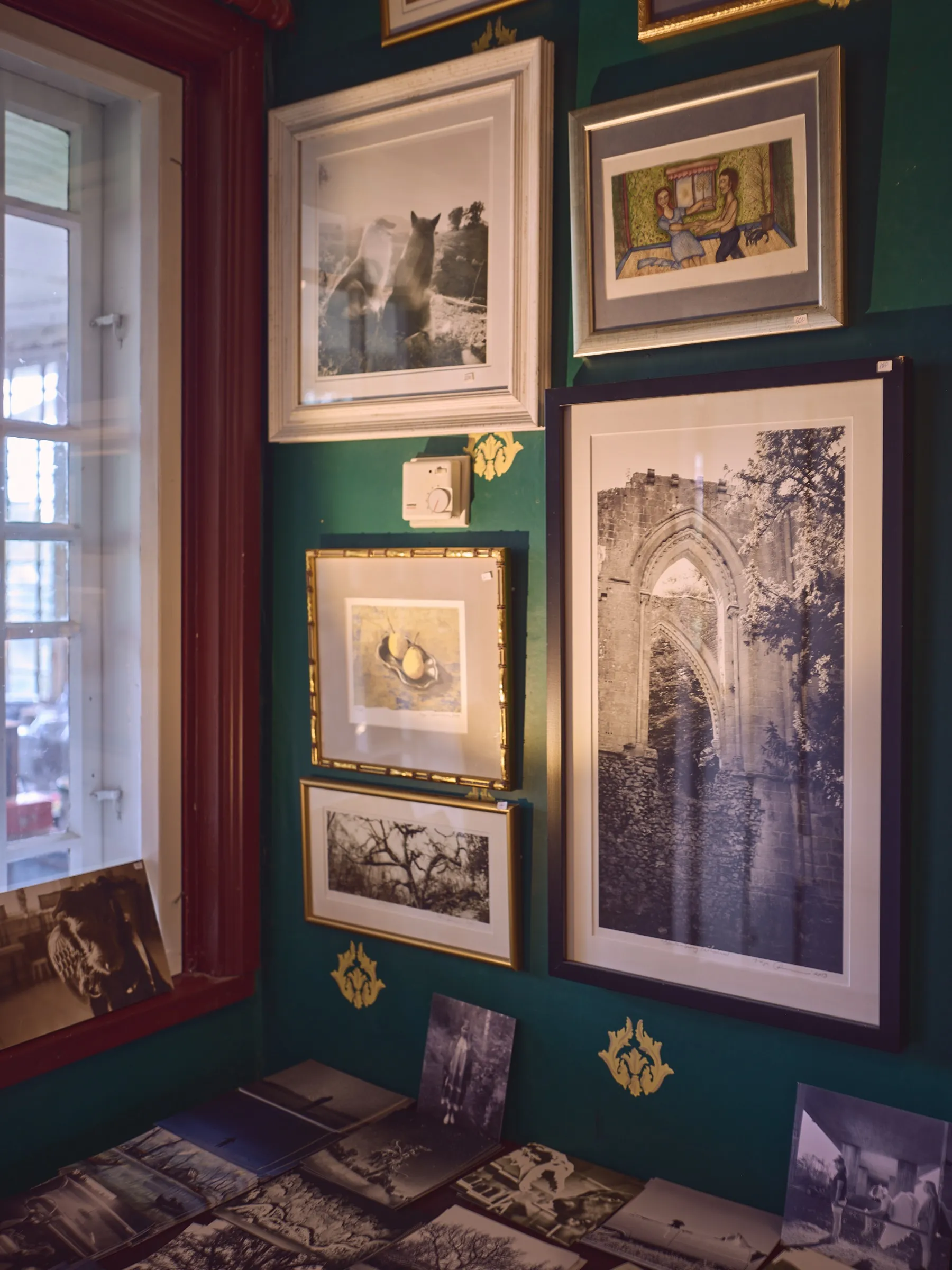
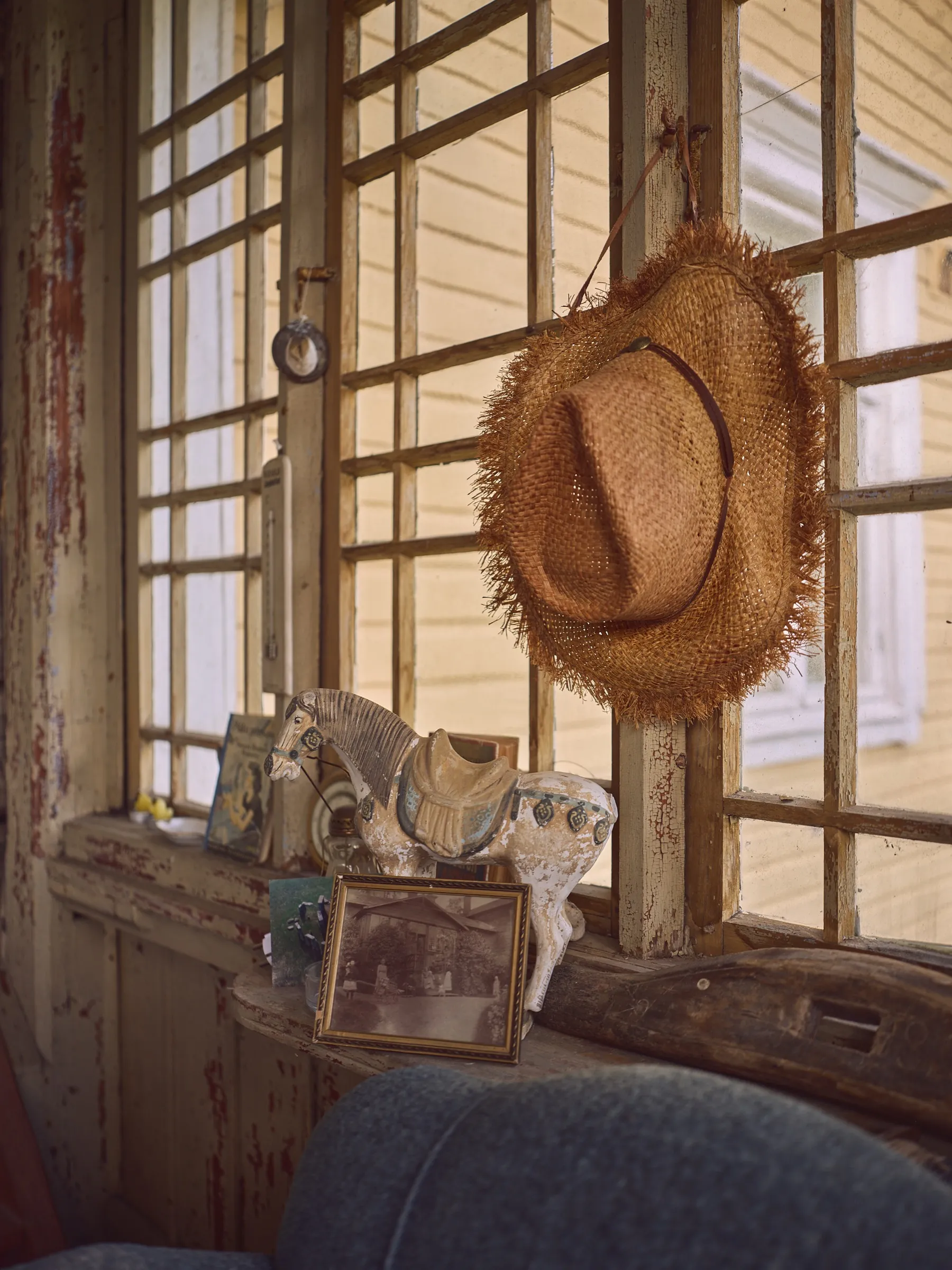
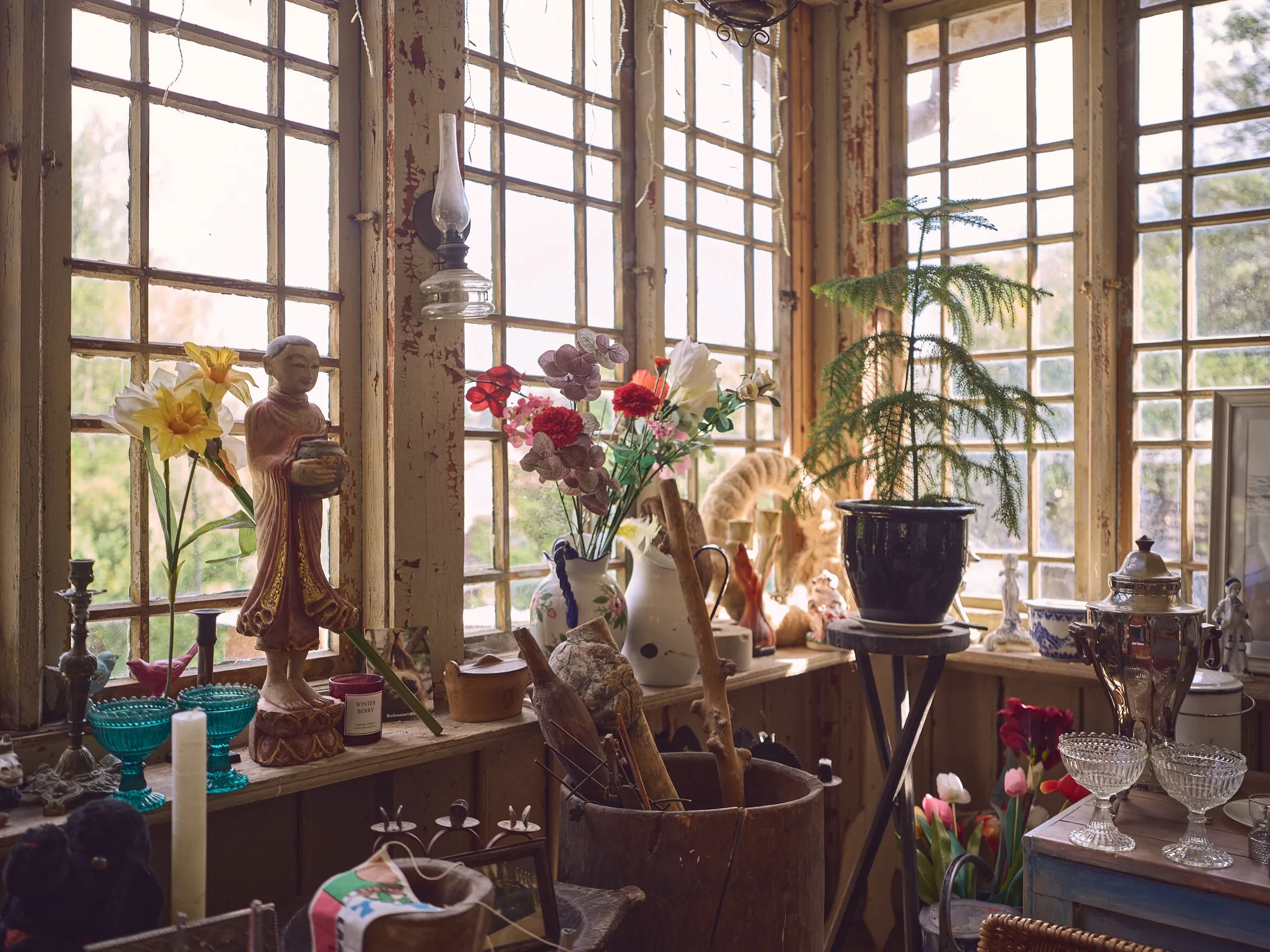
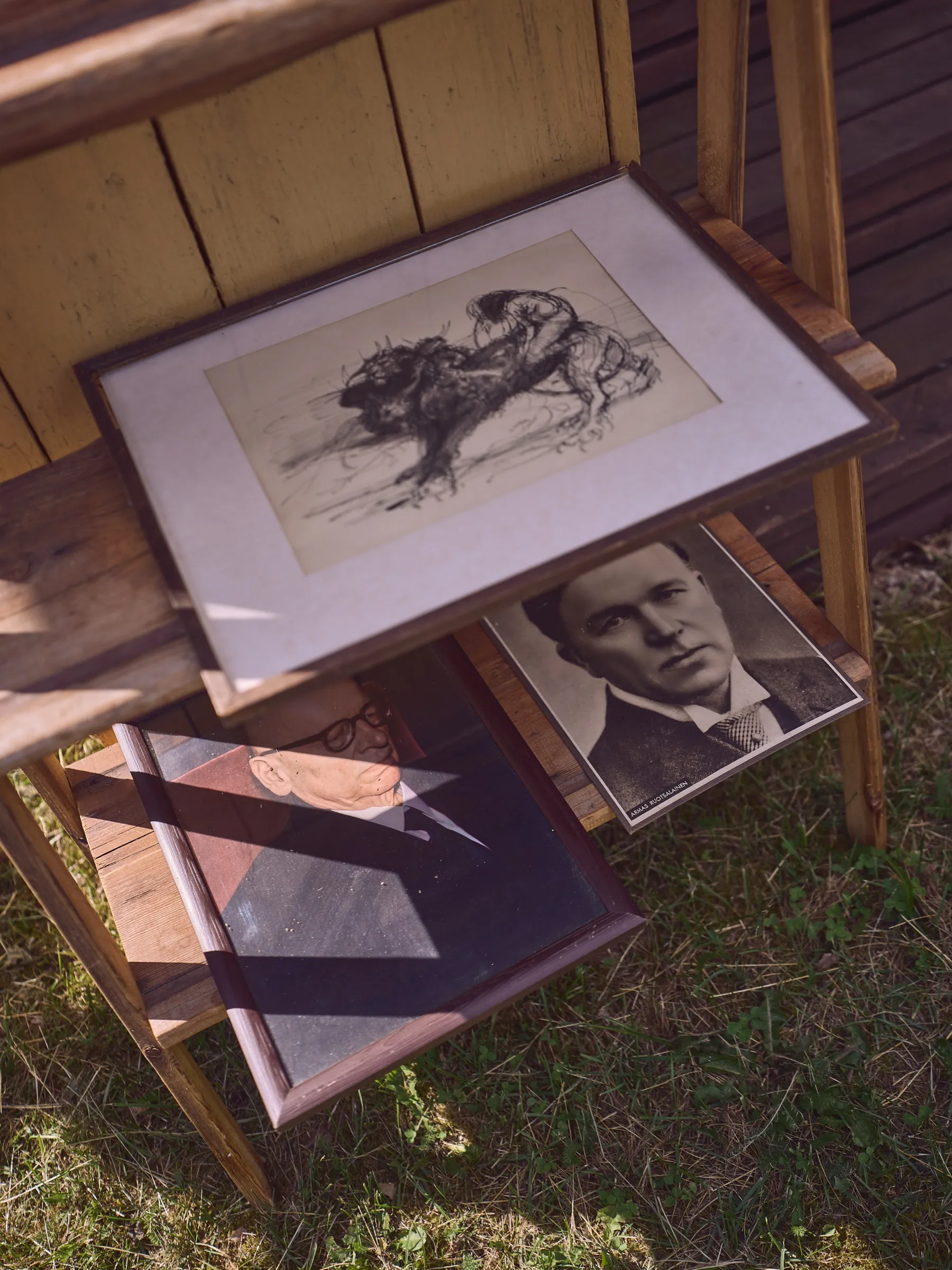
The house itself belonged to the family of a friend of Terho's, her father was the painter Seppo Tamminen, and you could tell the place was full of stories: inside, walls of framed pictures, outside the red barn, a dog on the gravel. At the back, the family had set up a little café for the day, homemade cake, coffee, and from the terrace a wide view into the landscape.
Seppo Tamminen, born in Helsinki in 1944, died in 2012, was one of those artists who refuse to be pigeonholed. He started out in the decoration department of the Stockmann department store and made jewellery on the side, bronze and brass, its forms drawn from nature and Finno-Ugric folk art. For around 25 years he made one-of-a-kind pieces by hand, and for a while the Finnish press celebrated him as an international jewellery sensation of the seventies. Later came small sculptures, collages and his kurkistuskaapit, peep boxes in which he staged rooms, figures and enigmatic events as if on a tiny theatre stage.
In the eighties he moved to the countryside, first into a former village school in Loppi, later into the historic quarter by the old Riihimäki glassworks, finally into the old Santamäki manor house in Launonen, the very house whose yard we stood in today, between the stalls. He shaped and restored his living spaces himself; house, studio, collection and art were hardly separable in his life. You could still feel that everywhere on this day.
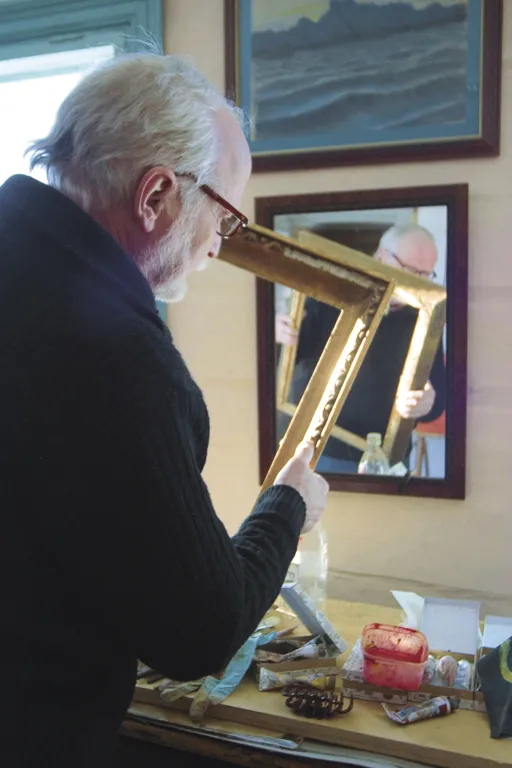
Today Tamminen is known above all for his gouaches: figurative, rich in detail, almost always telling a story. The Helsinki of his childhood in the fifties, ships and expeditions, interiors, everyday life in Loppi. Often he even built the frames himself and treated them as part of the work. He is counted among the Finnish naivists, and the simple perspective, the clear figures, the fairy-tale quality all speak for it. To me that falls short. His pictures feel less like depictions than like reconstructed rooms of memory: sizes are off, perspectives tilt, times slide into one another. What matters is not what a place looked like, but how it feels in memory. For legal reasons I cannot show his works here, but Galleria G12 carries some of his prints; the link is below.
His daughter Vilja once said, in essence, that he wanted to bring light into the darkness and colour into the grey. His works hang today in the art museums of Riihimäki, Helsinki and Oulu, among others, and in the Finnish state collection; shortly before his death, in 2012, he received an award for his life's work. And the circle closes: his childhood friend Osmo Leivo wrote a book about him called Ystävyydellä, Seppo Tamminen, in friendship. That very book came home with me from this yard.
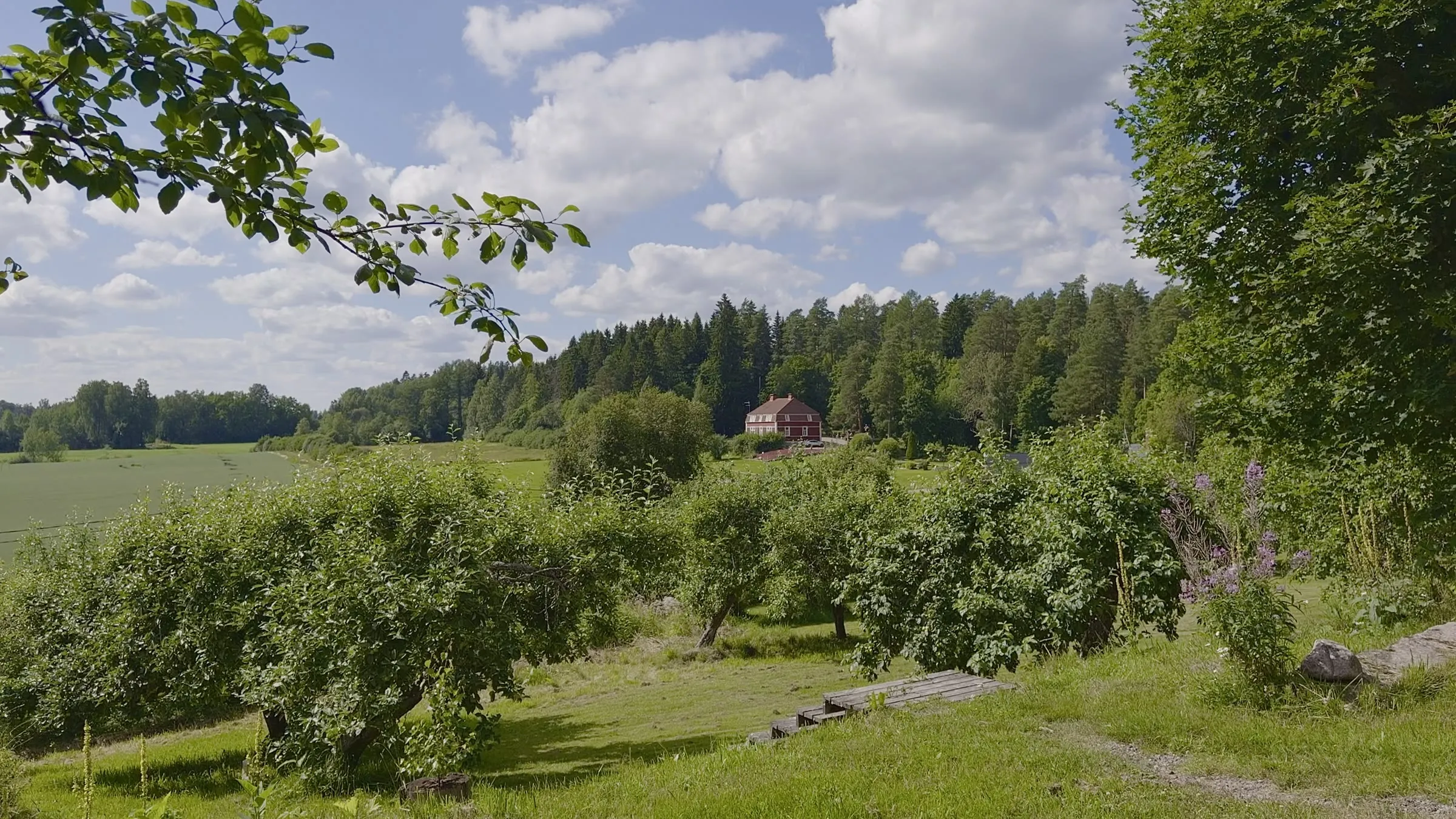
You could tell the house was full of stories.“Note from Launonen
We did not have much time, because the next appointment was already waiting in town. That is what the next story tells.