A Foundry Full of Art
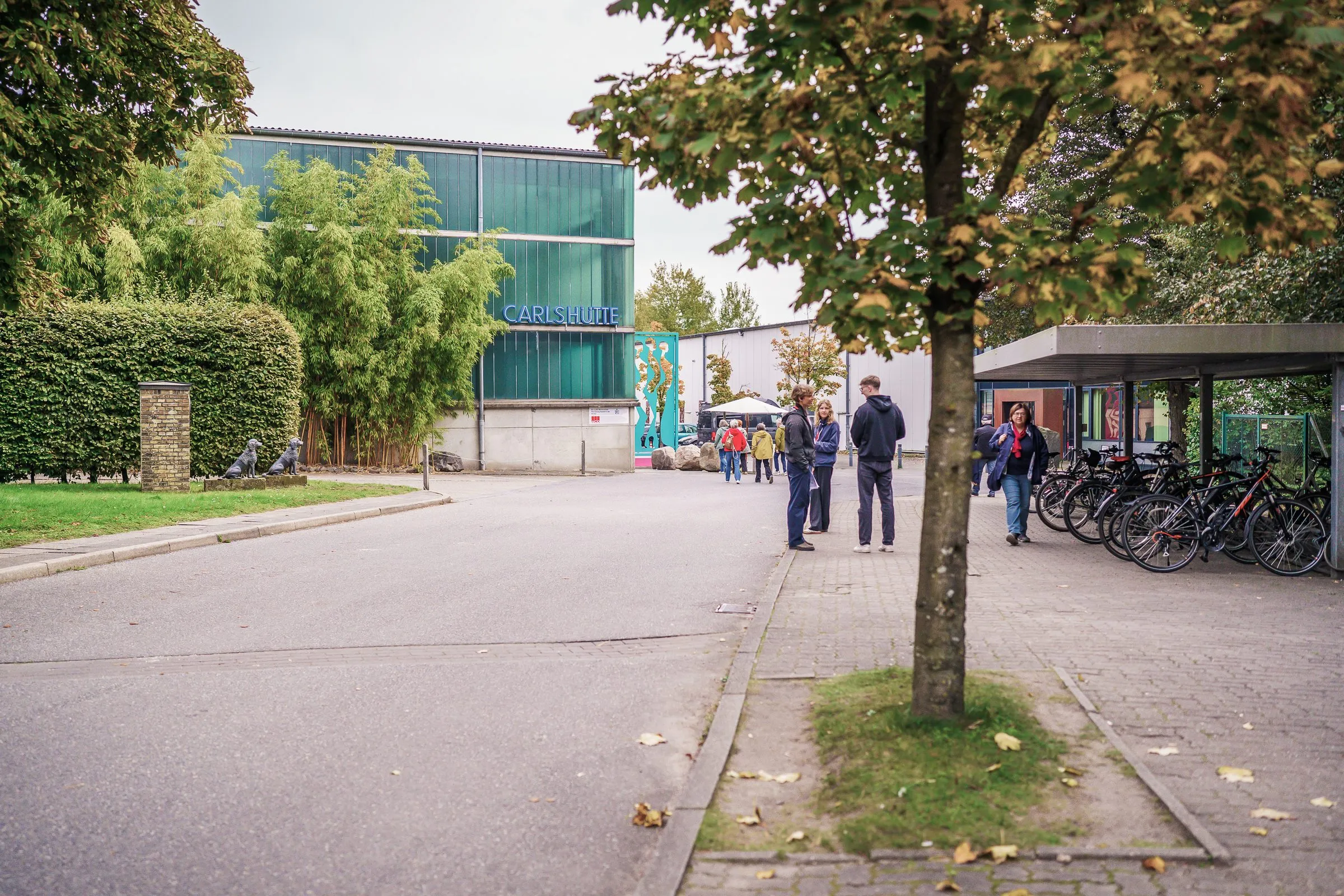
The way to NordArt begins surprisingly unspectacularly, with an access road, a few bicycle racks and a building with a green glass facade. Only a few steps further does the park open up, and between old trees, a pond and wide lawns the first sculptures appear. Some are so big that an entire guided tour fits into their shadow, others so small that you almost overlook them as you walk past. I was there on October 1, with my camera, and stayed well into the afternoon.
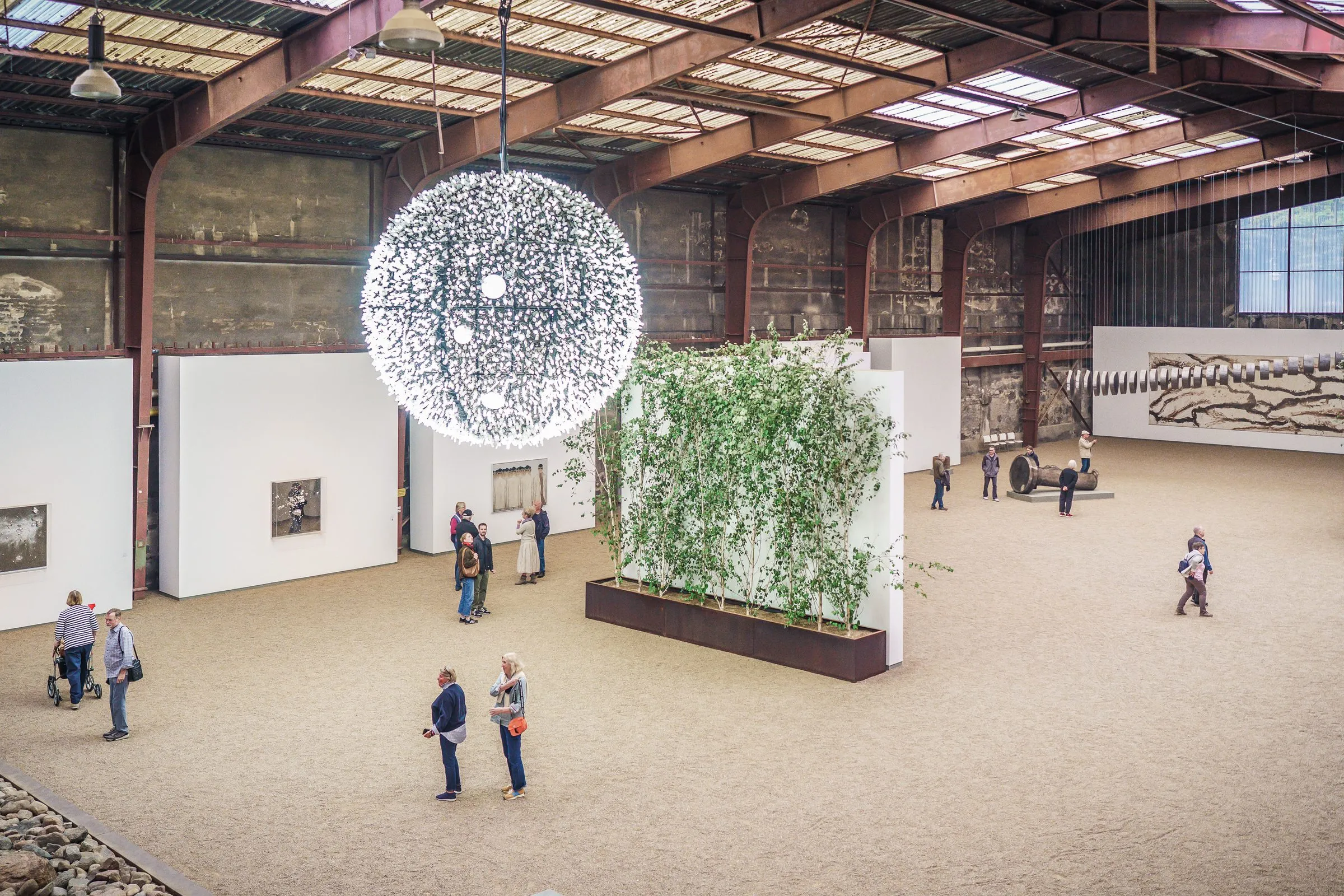
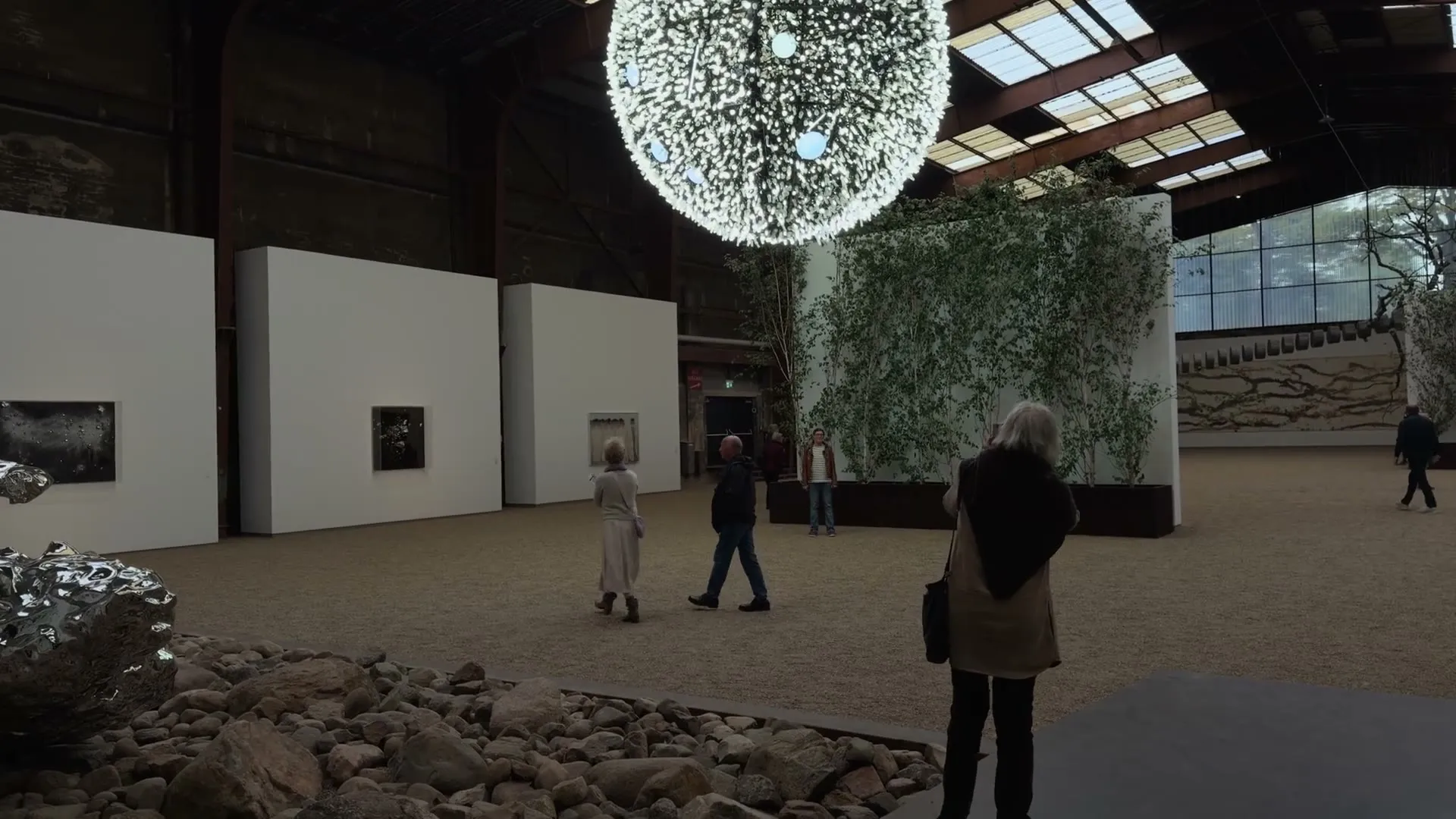
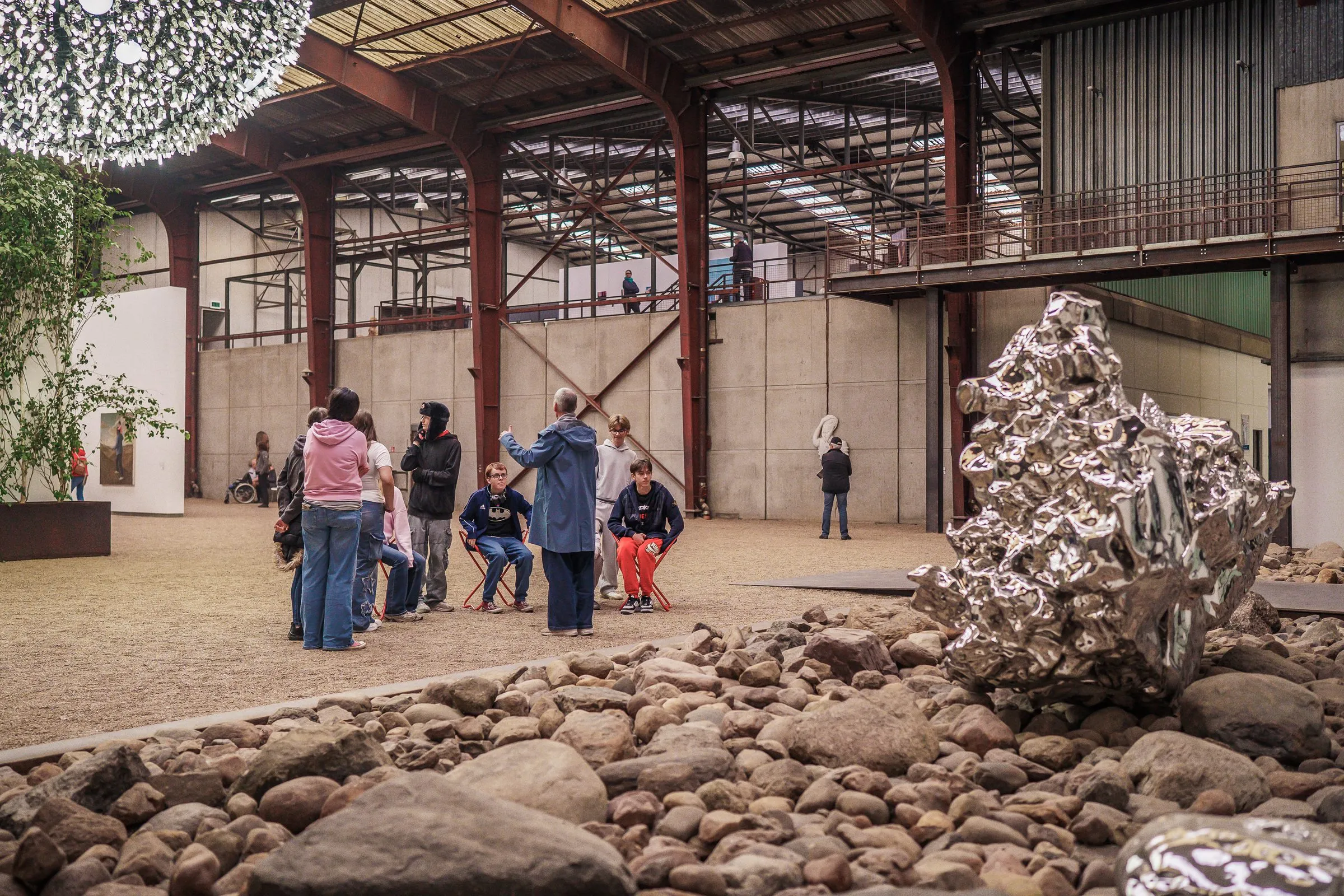
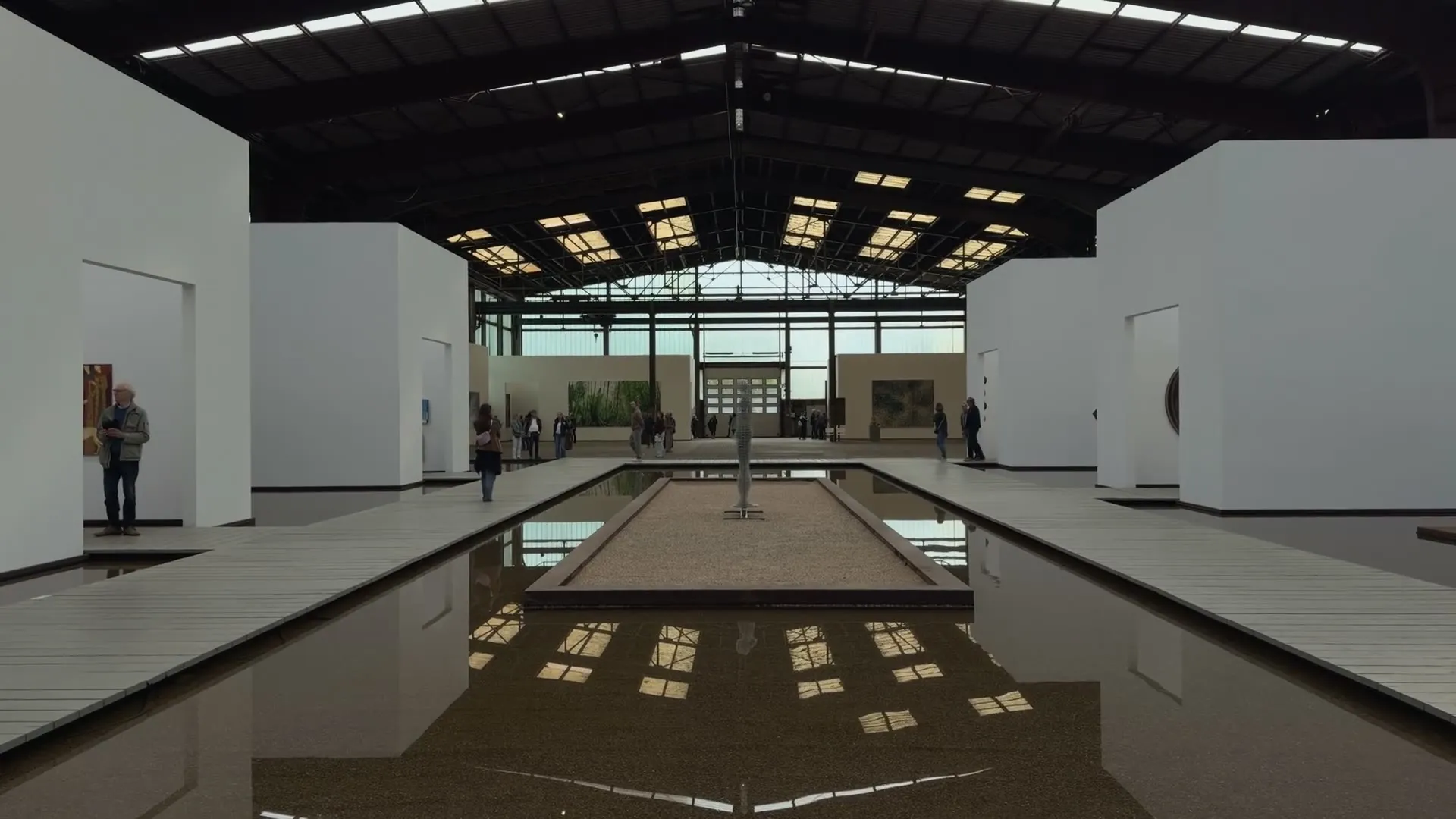
The Carlshütte was founded in 1827, as an iron foundry and as the first industrial settlement in what were then the duchies of Schleswig and Holstein. Casting went on here until 1997. After that Hans-Julius Ahlmann, a shareholder of the ACO Group, took over the site, and since 1999 NordArt has taken place in the old halls every summer. Art did not replace the foundry, it moved in with it. Steel girders, rough walls, pits in the floor and dark corners with rusty machinery are still there, and some works look different against this background than they would in a white museum gallery.
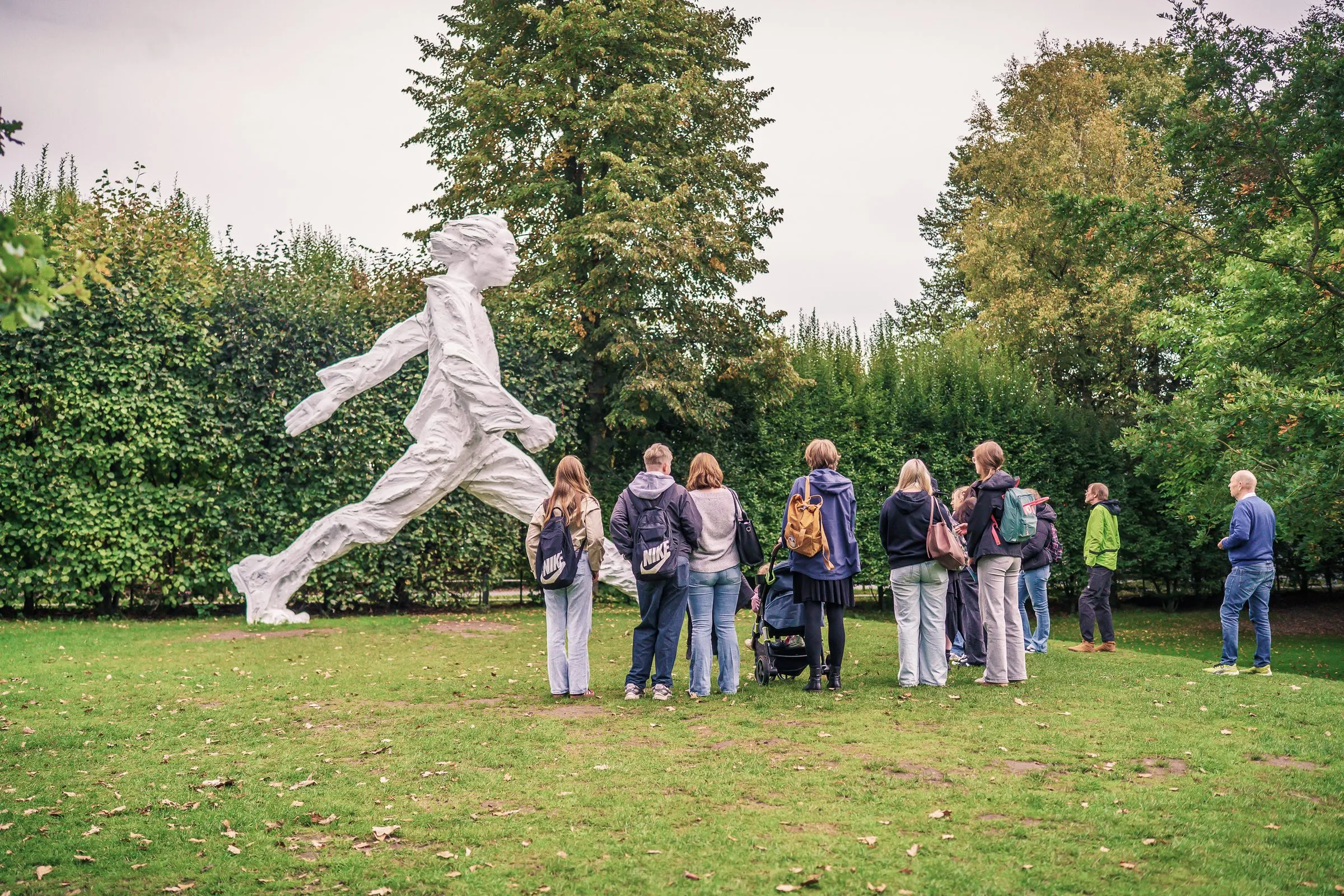
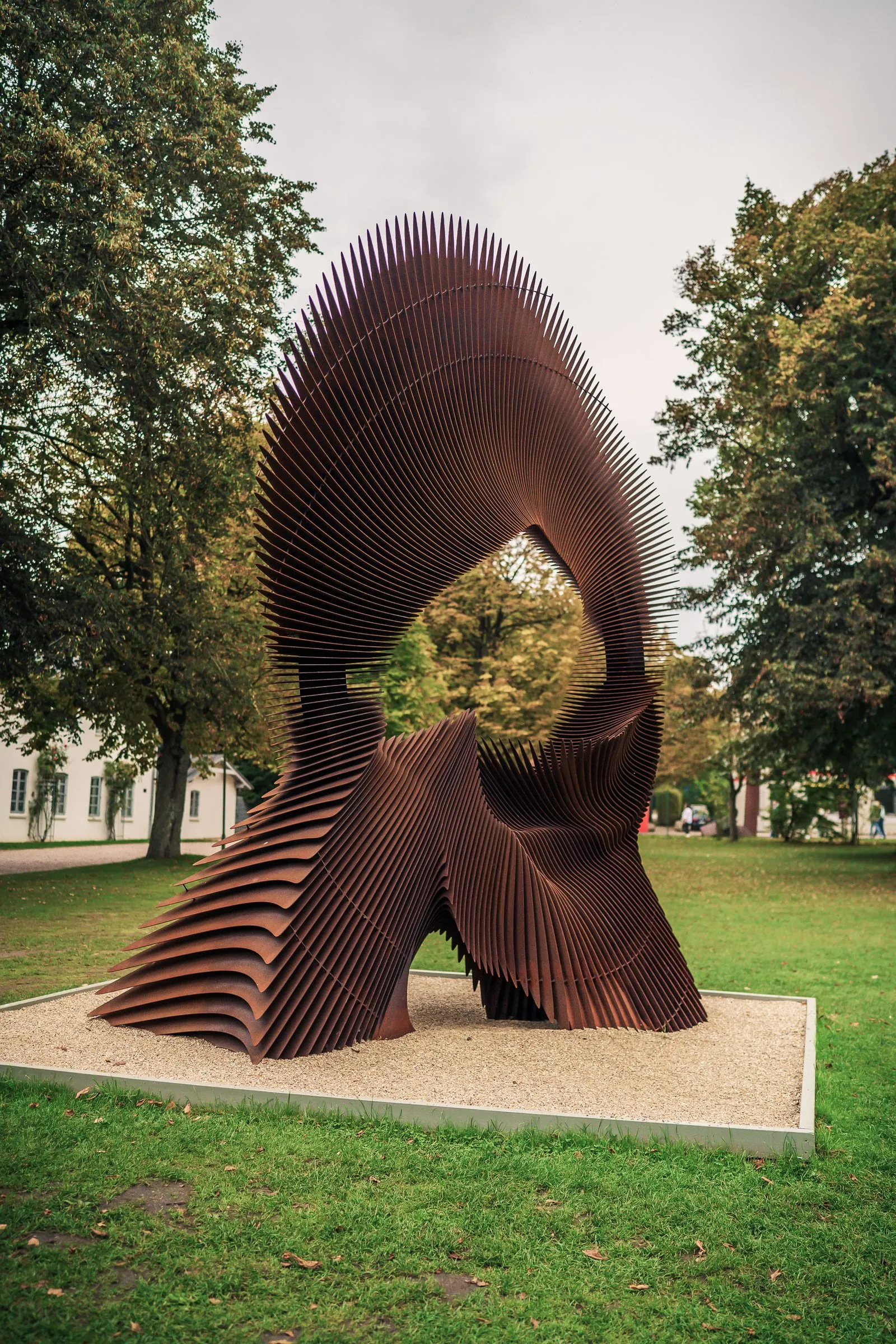
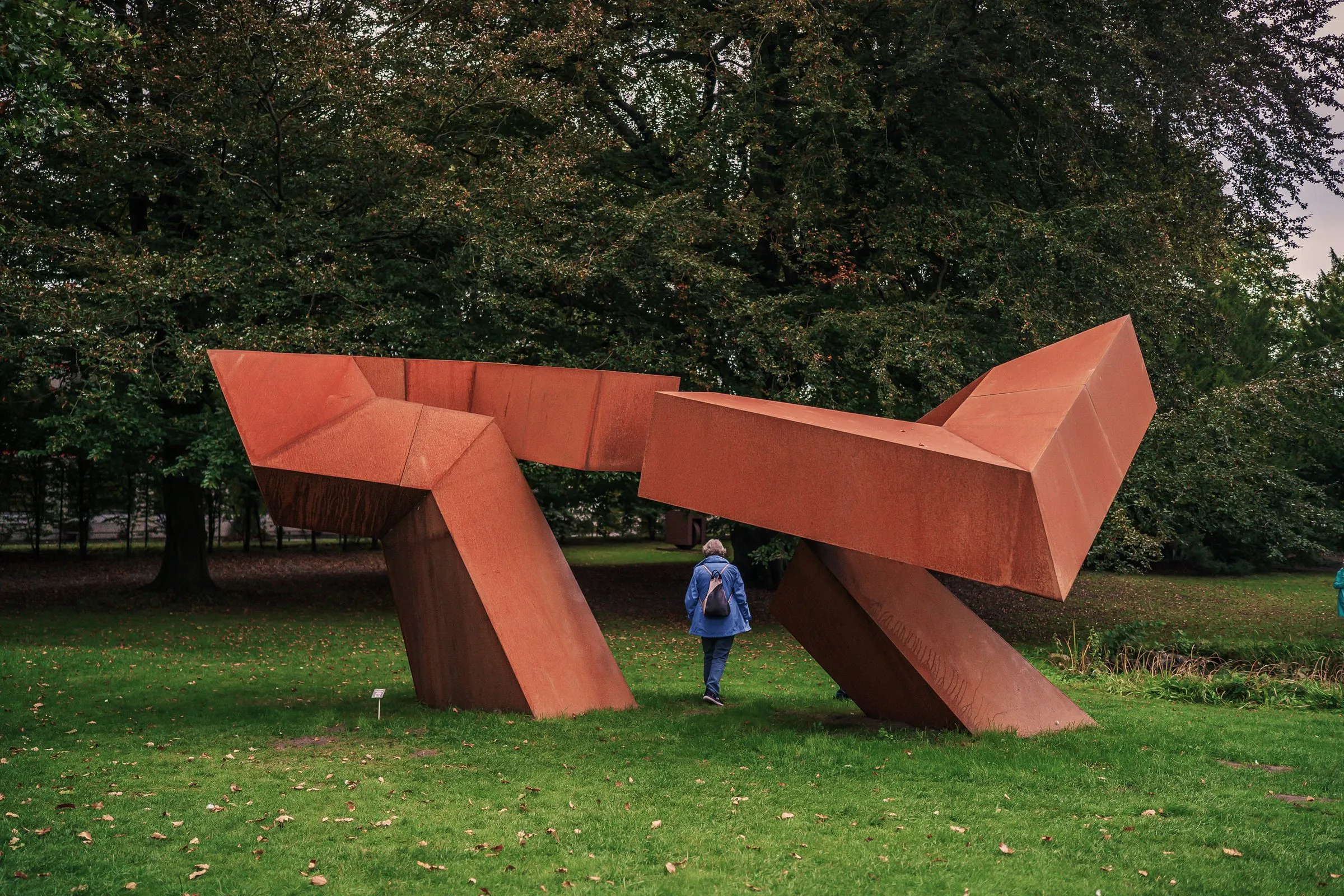
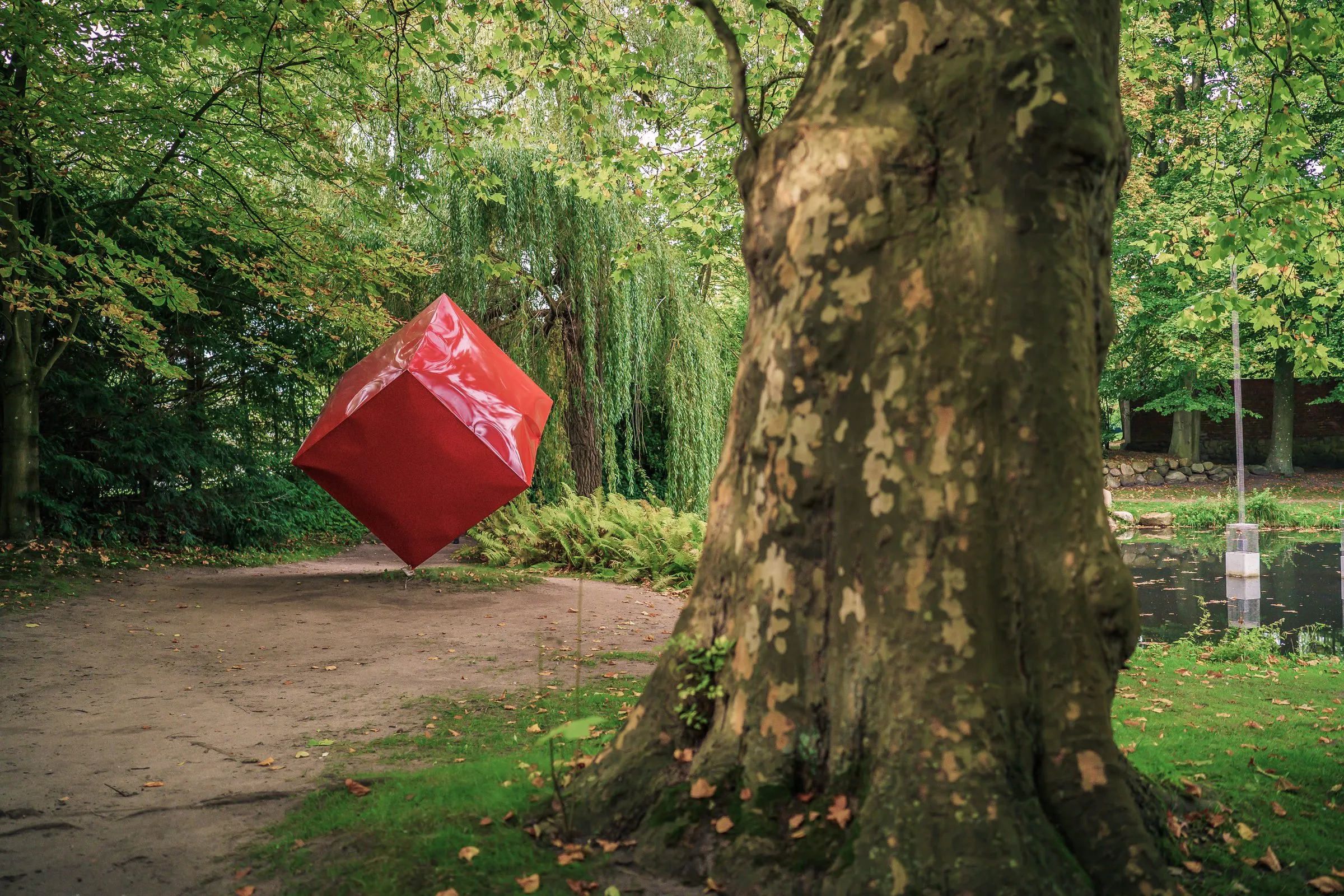
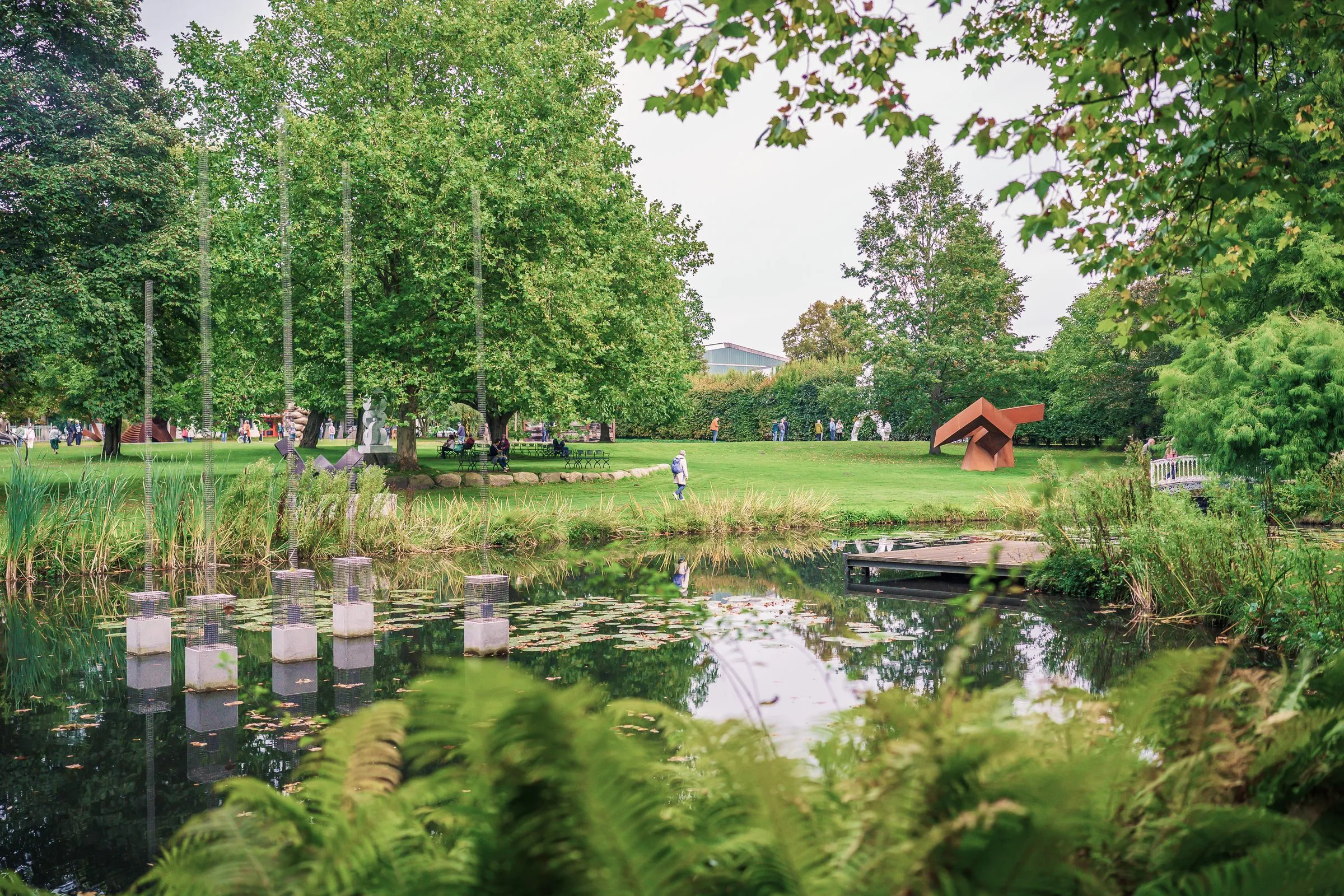
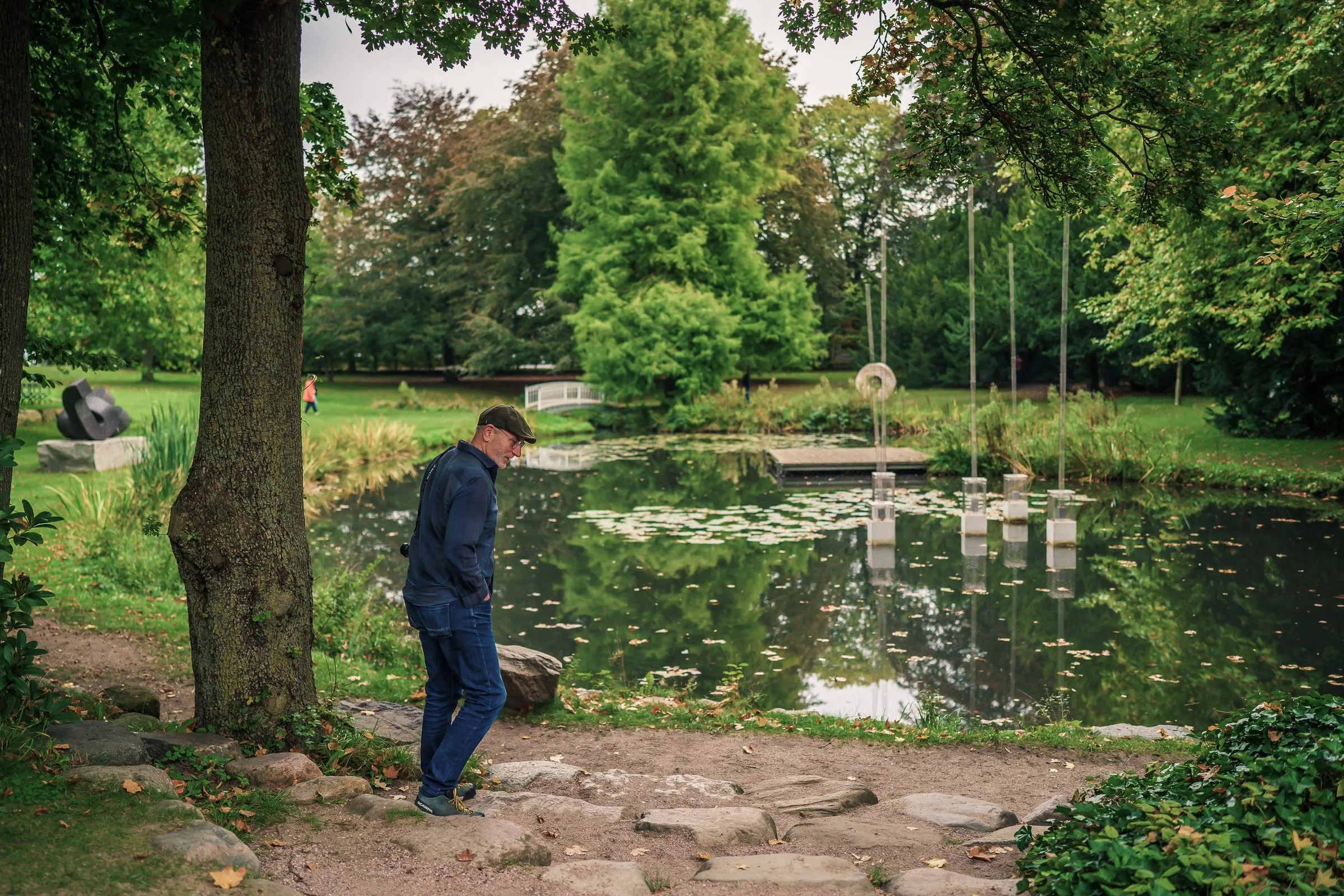
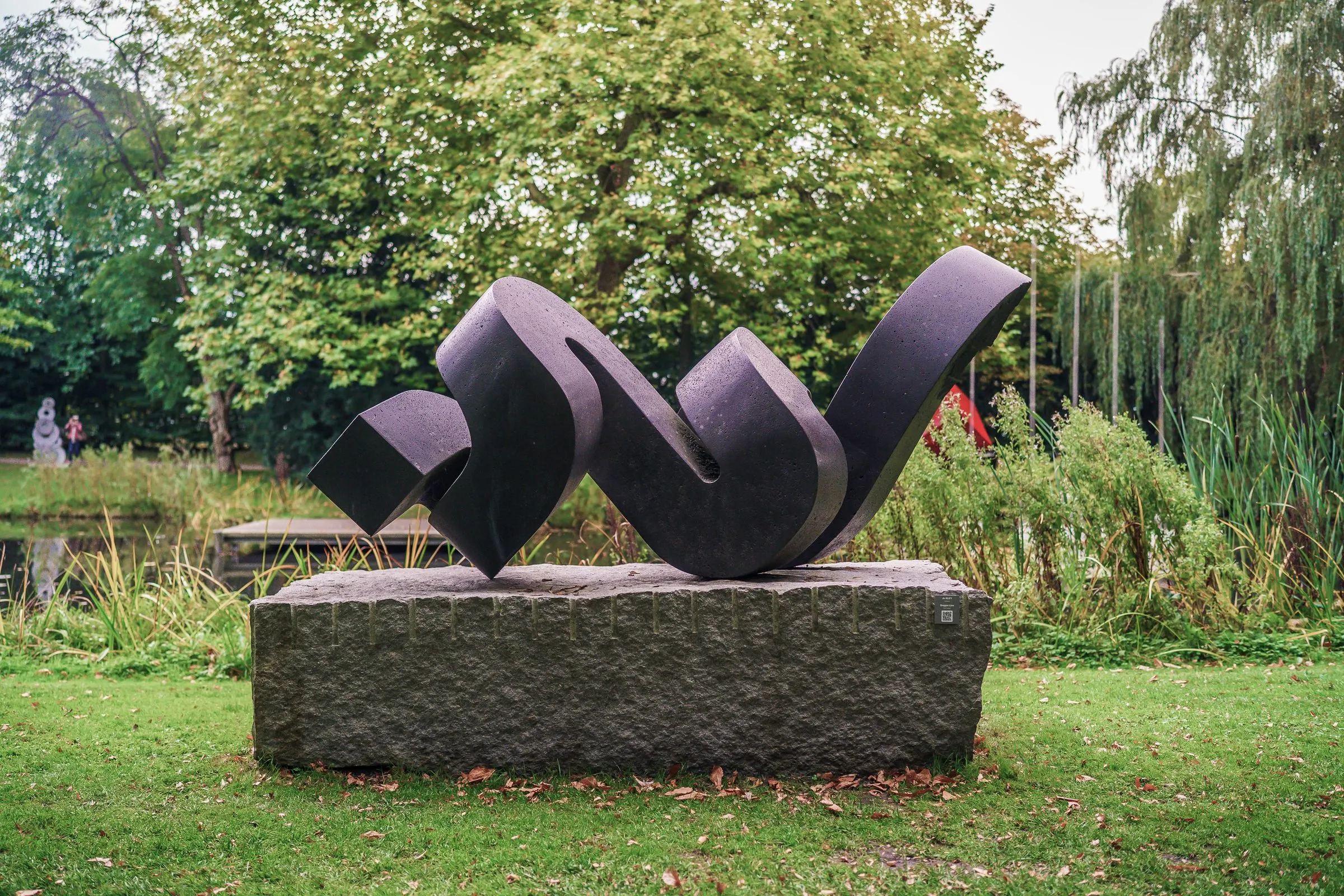
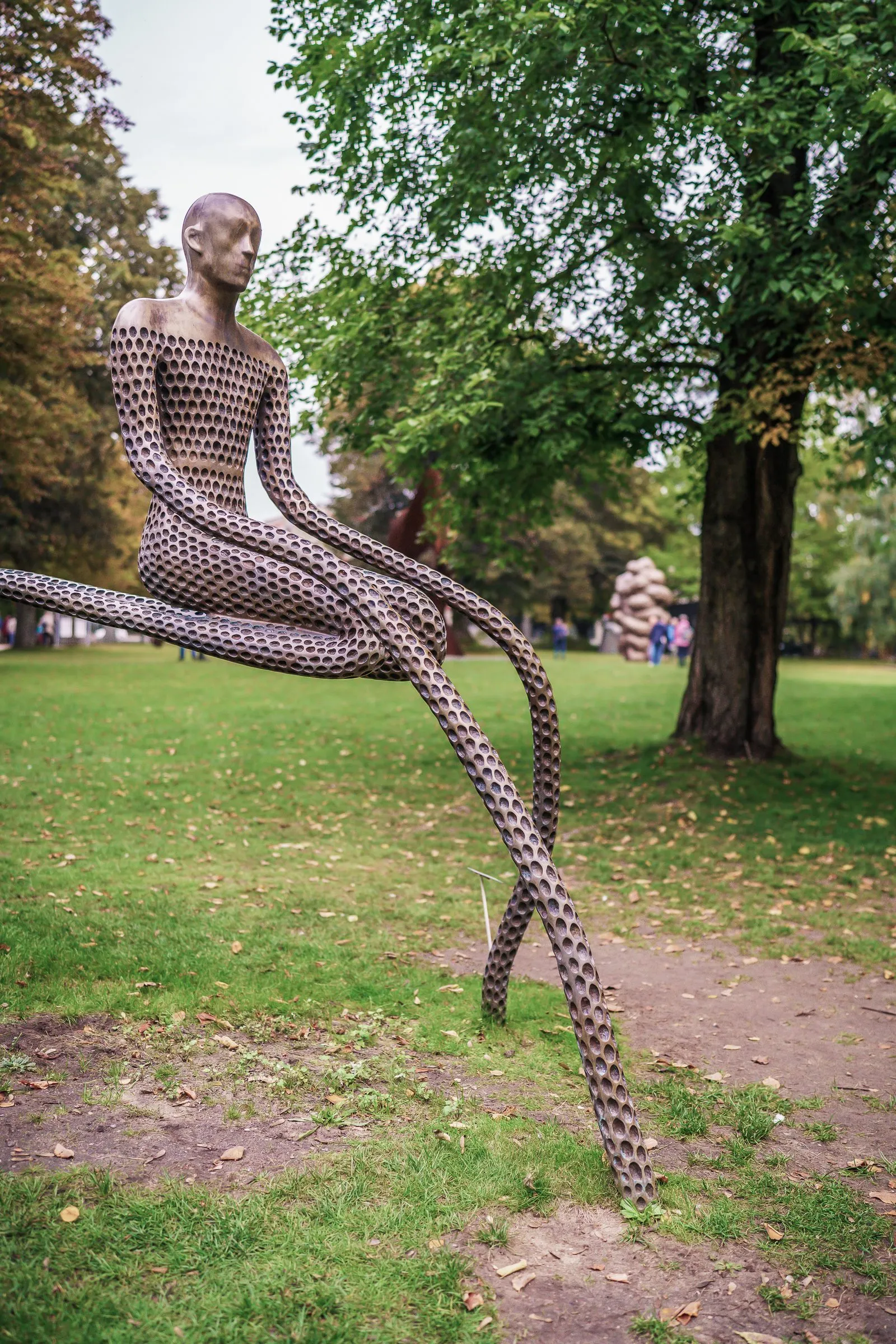
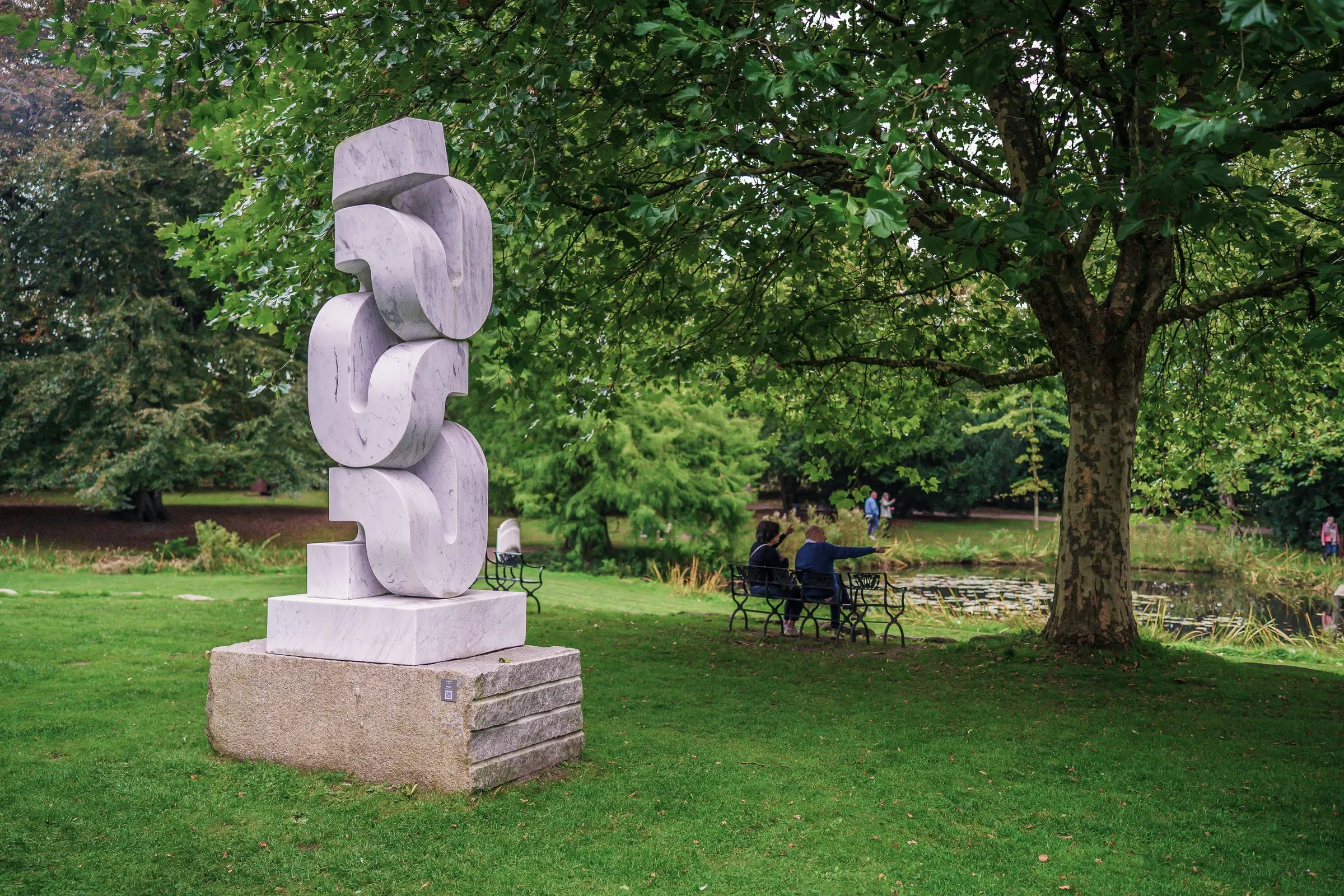
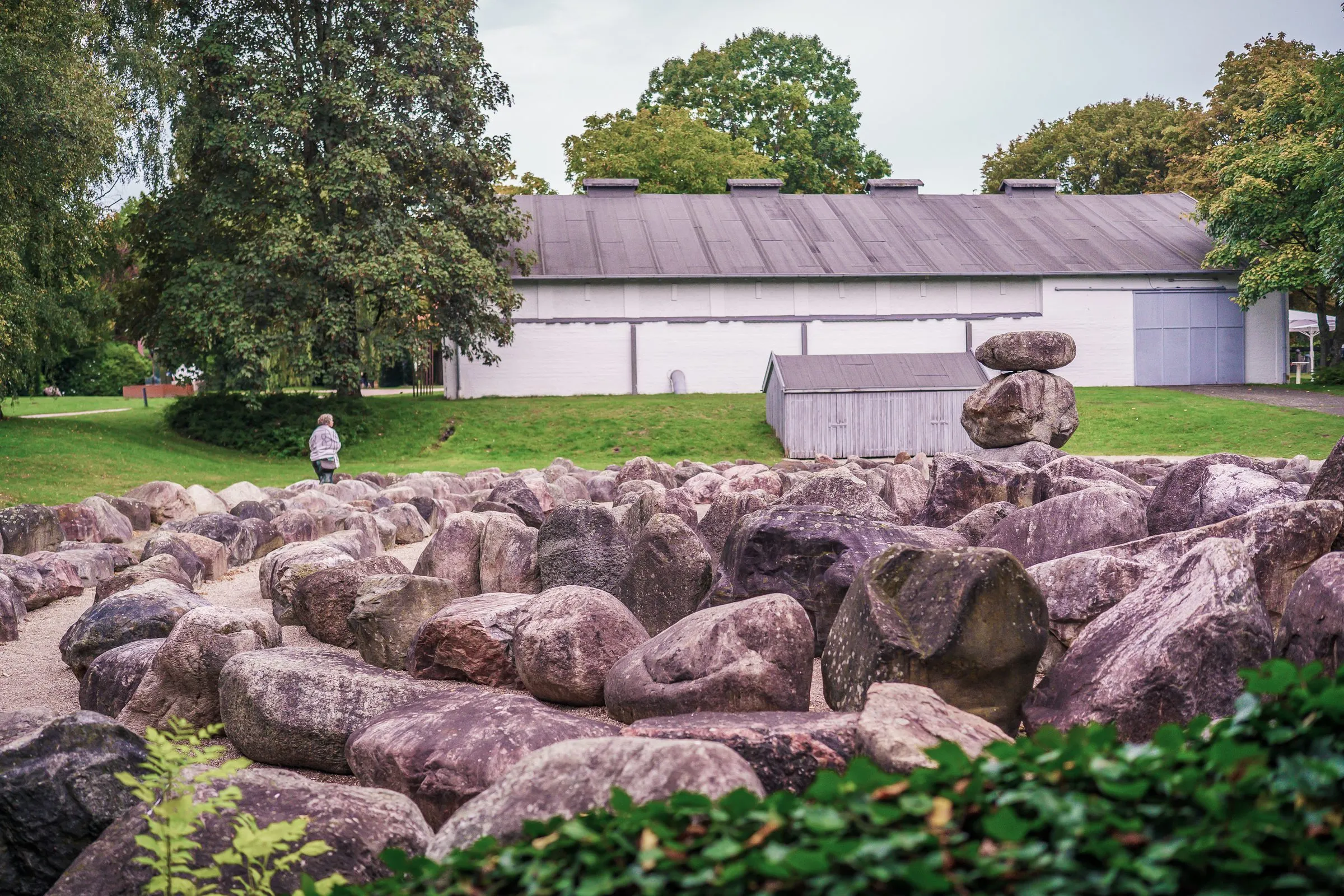
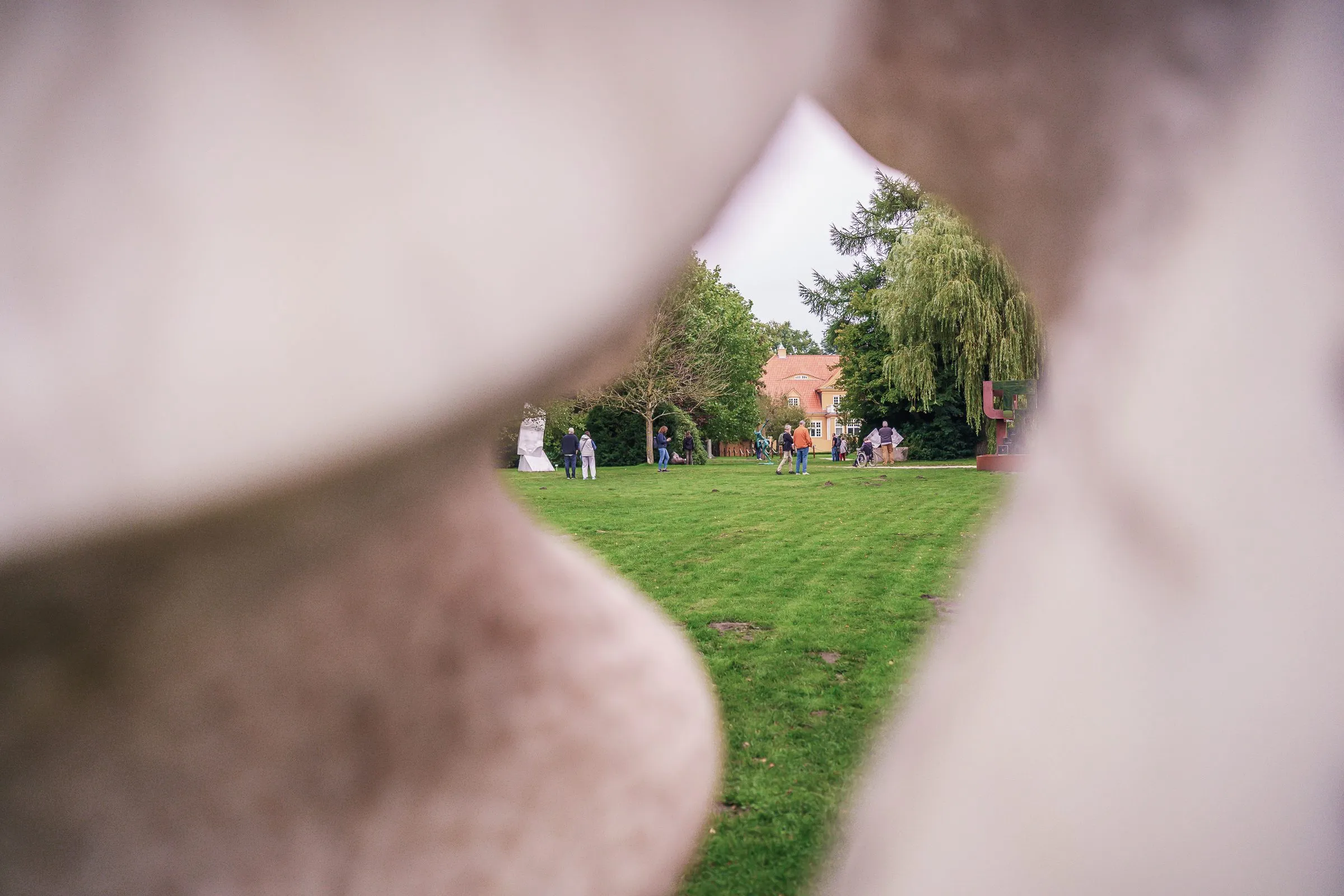
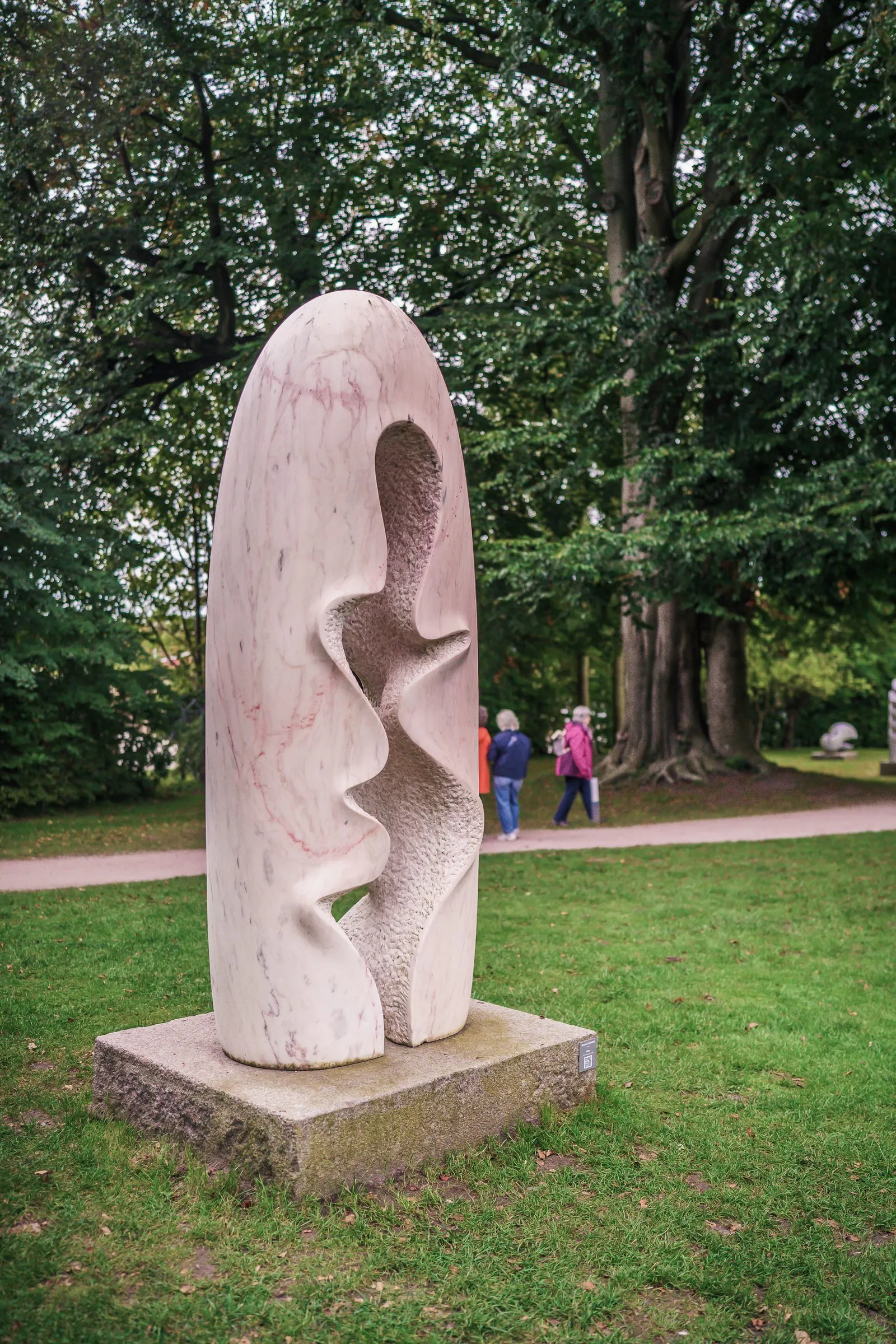
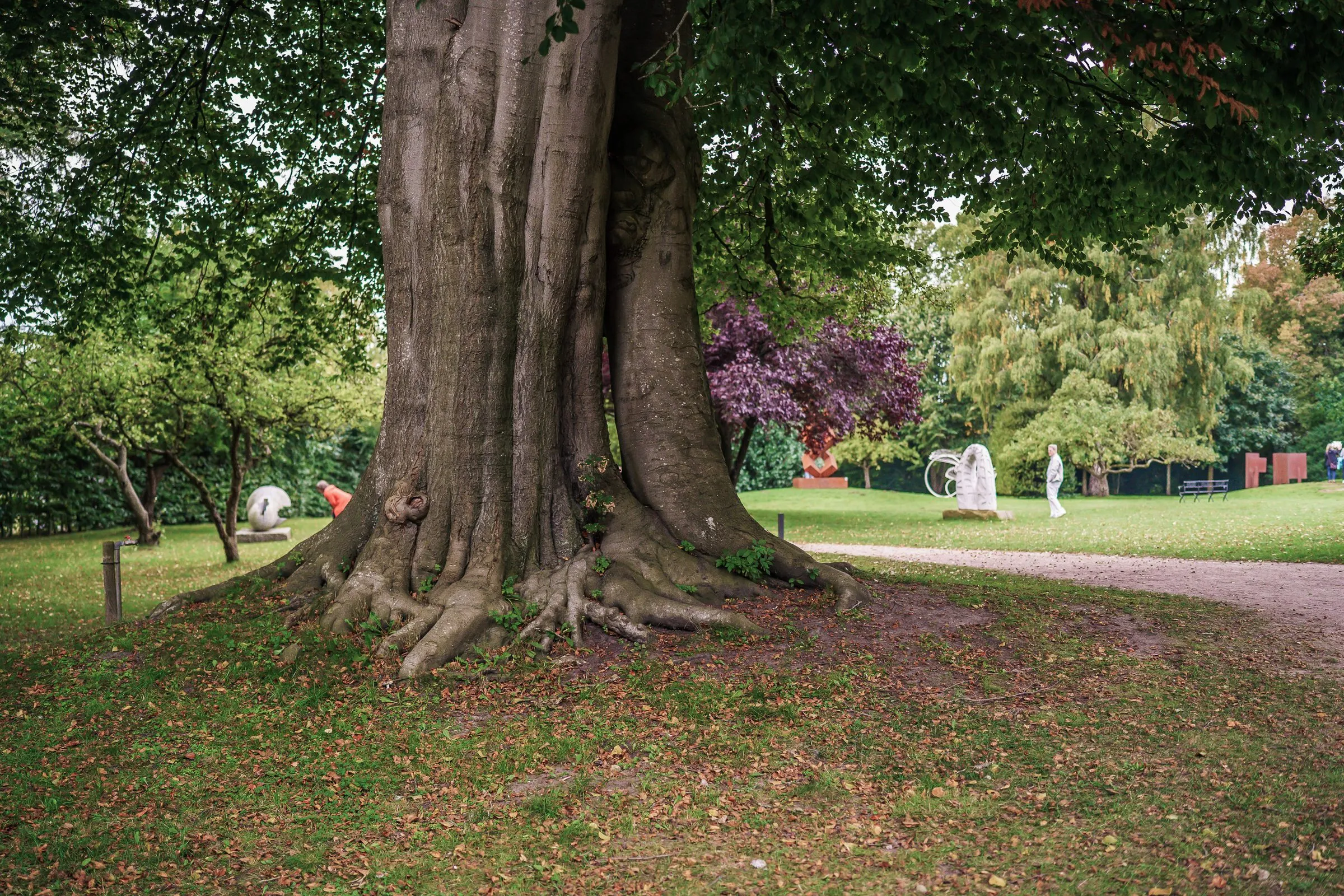
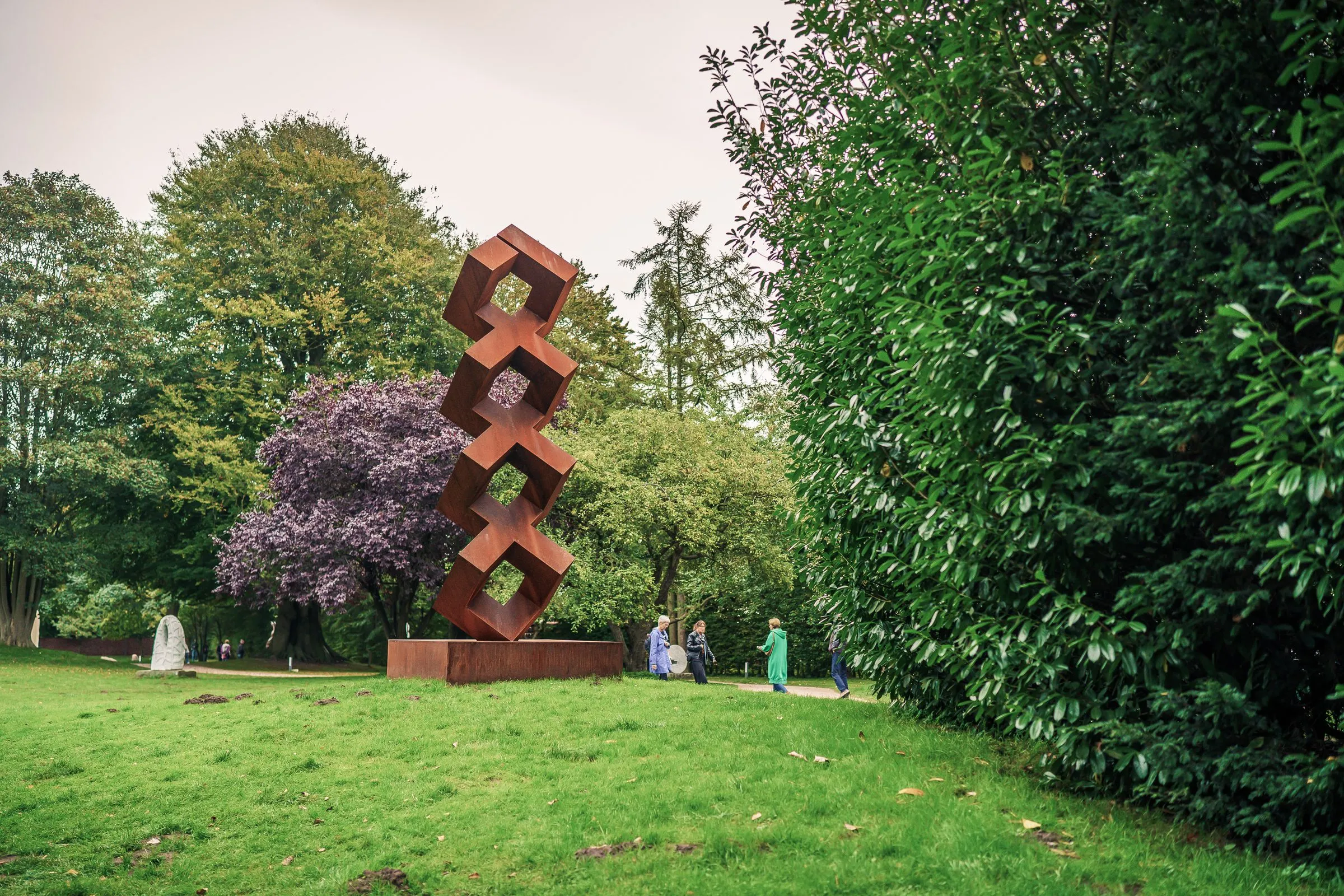
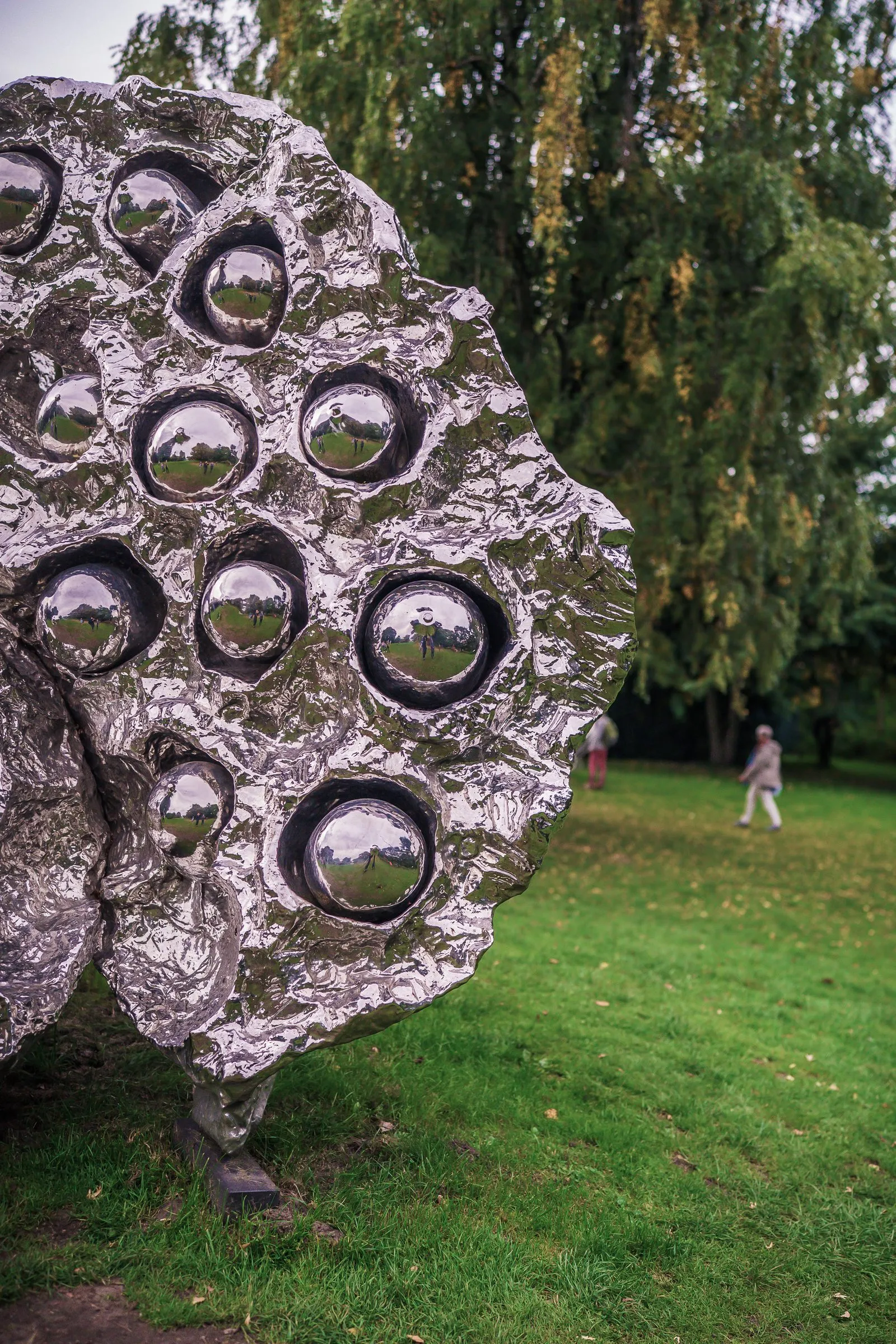
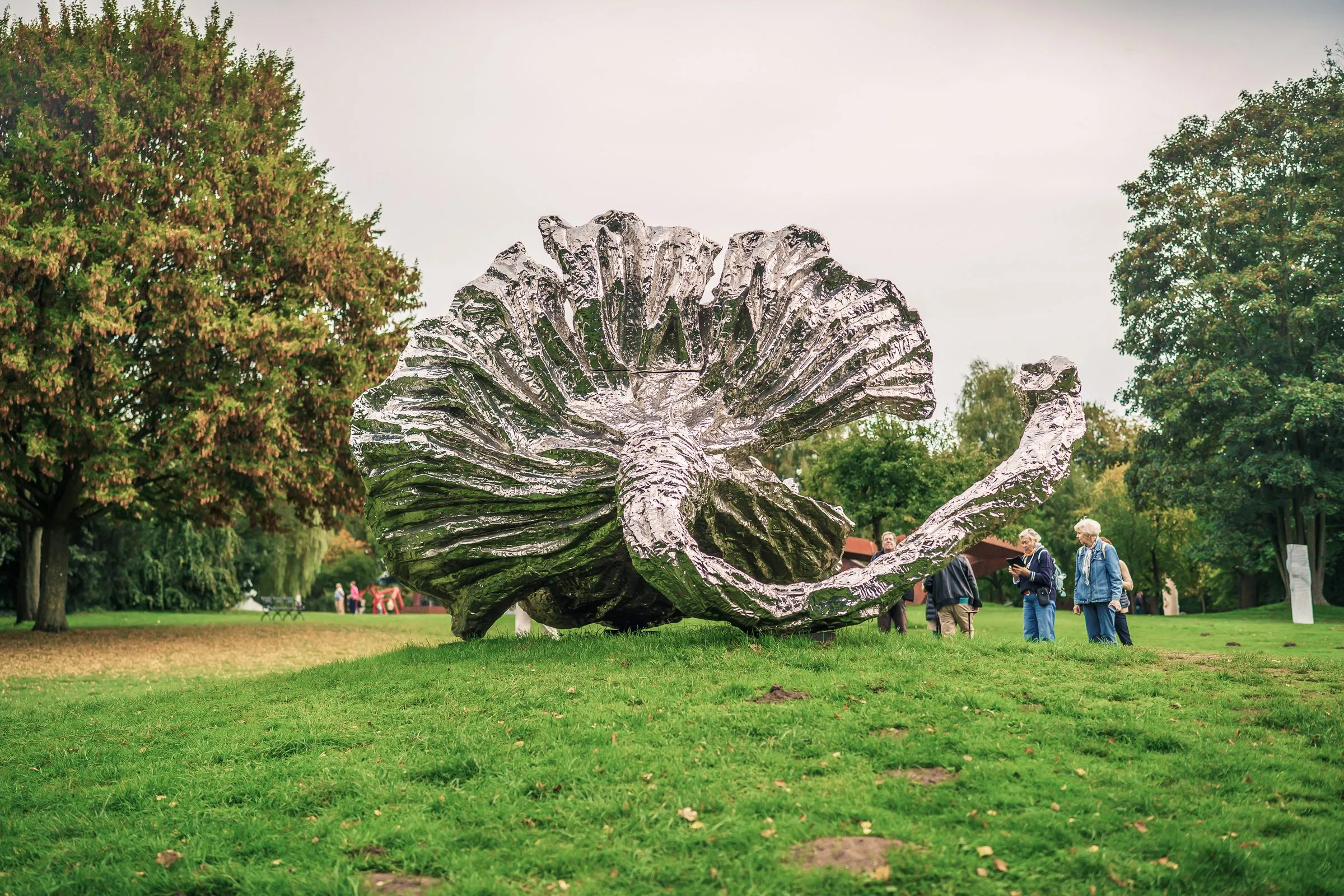
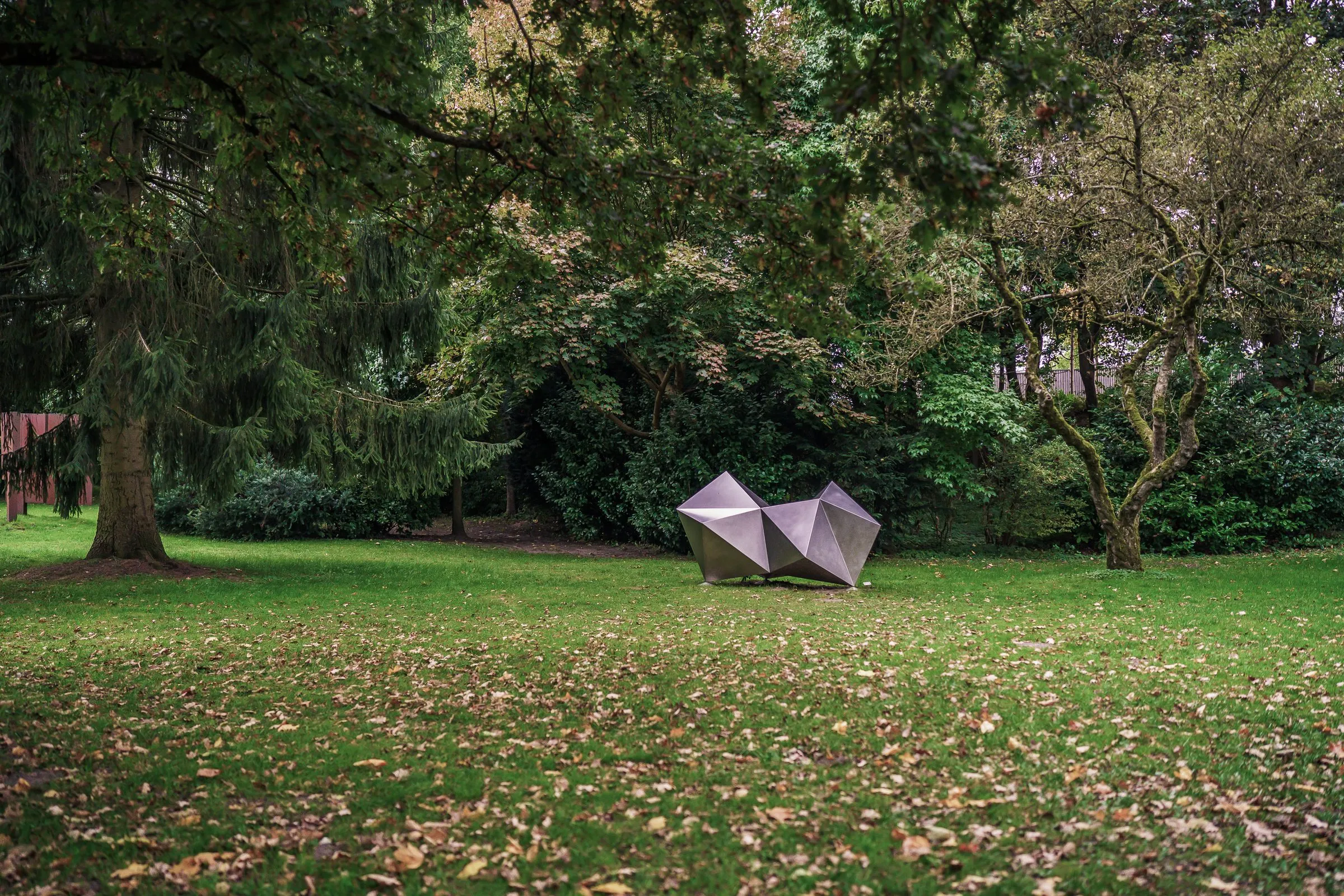
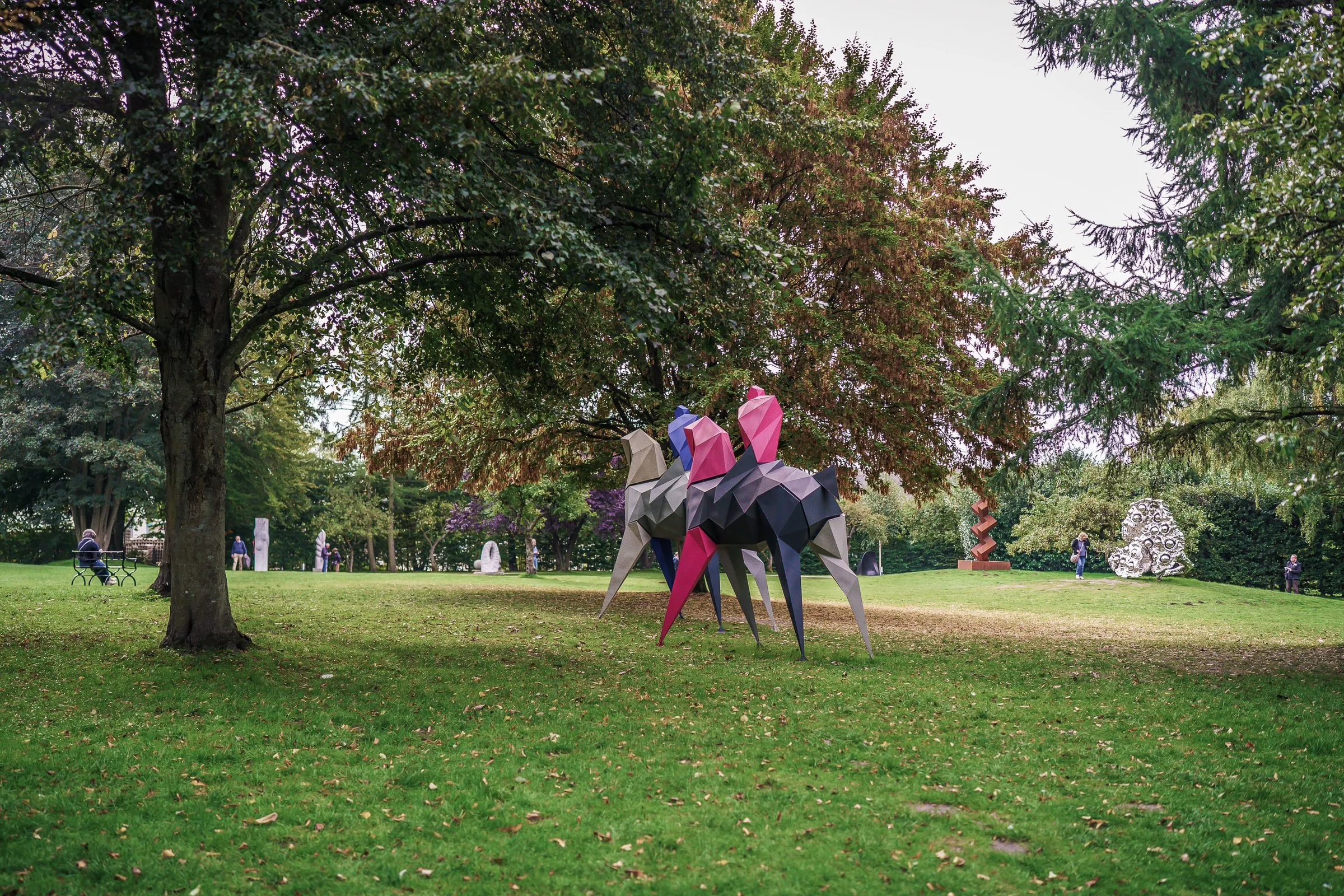
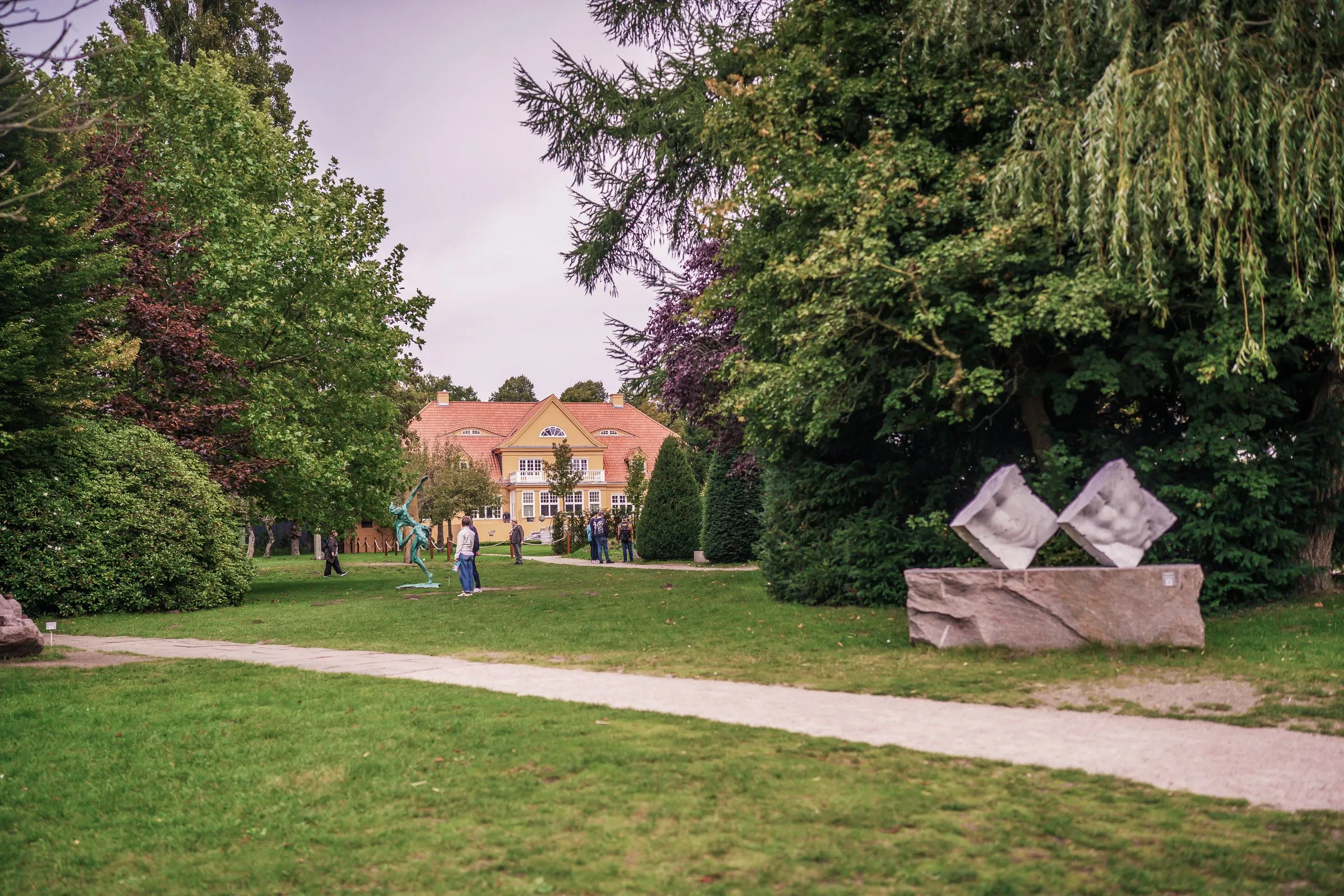
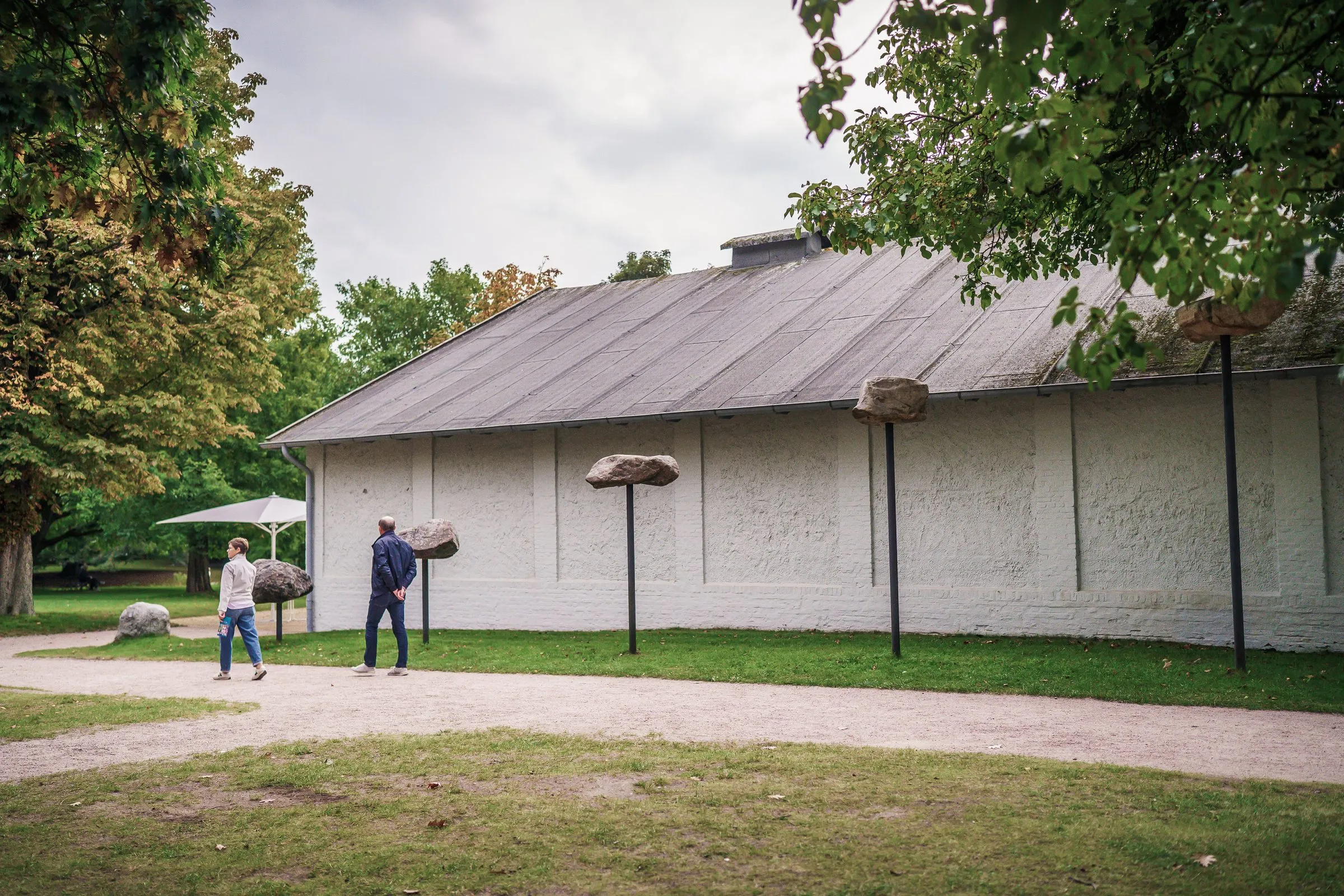
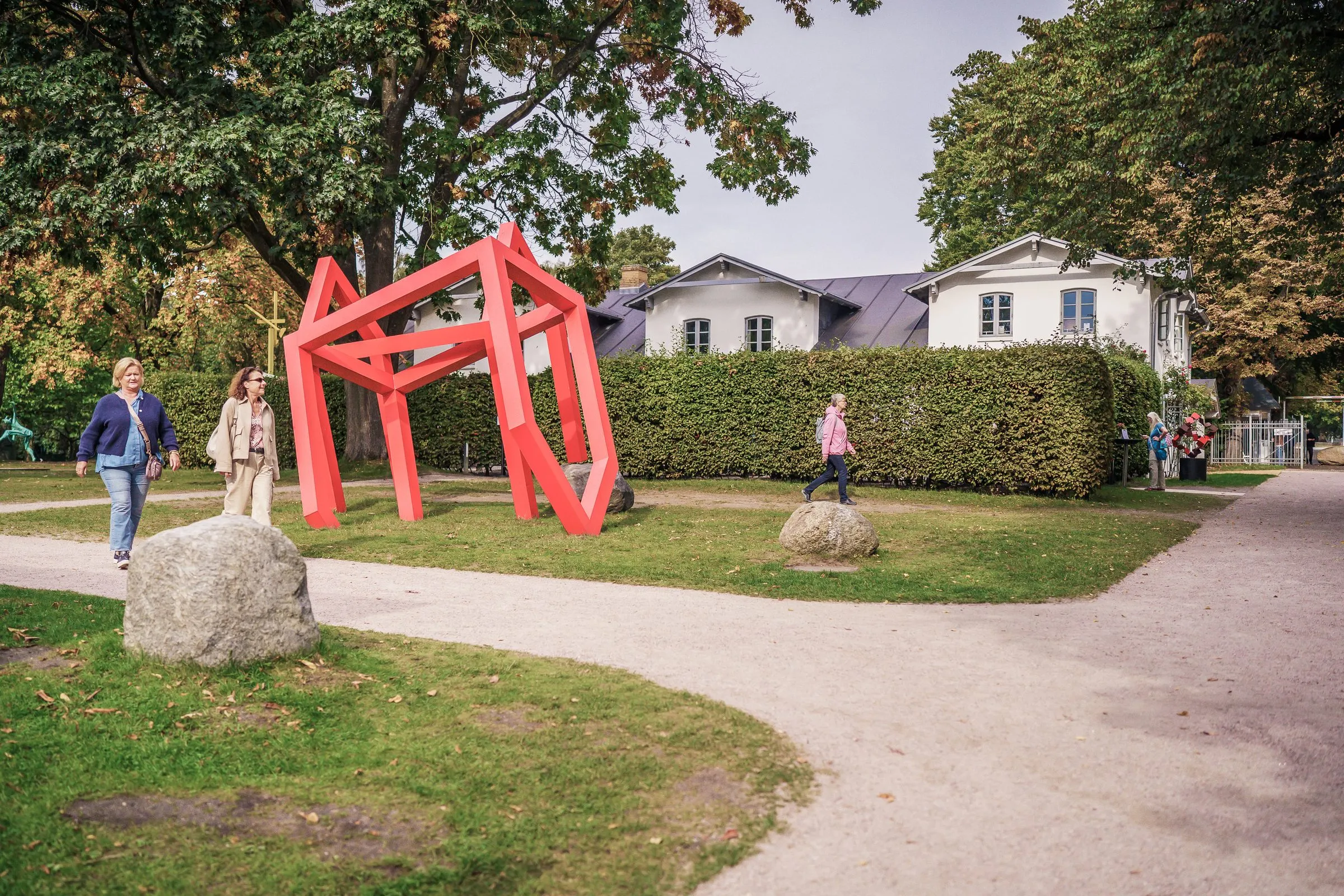
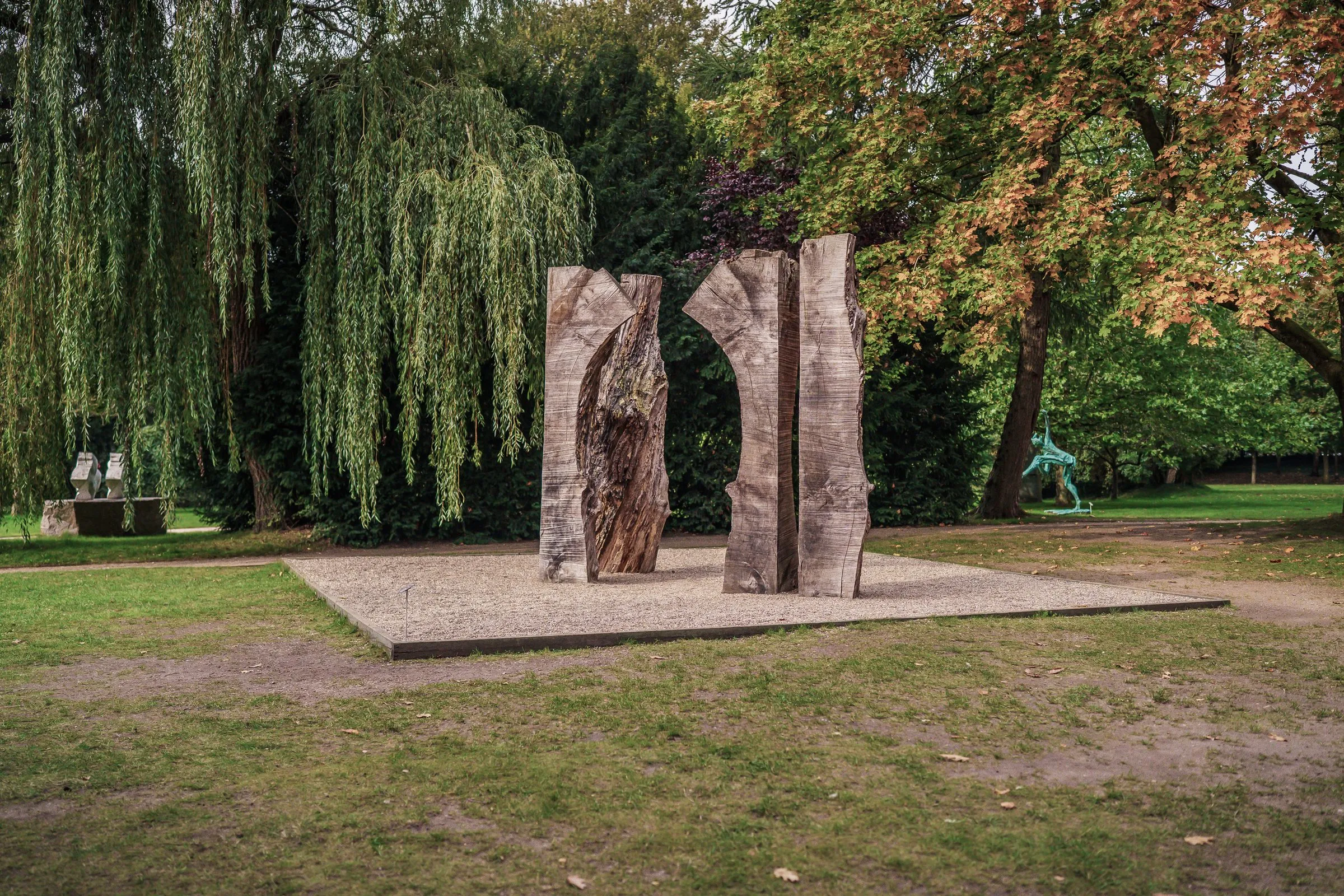
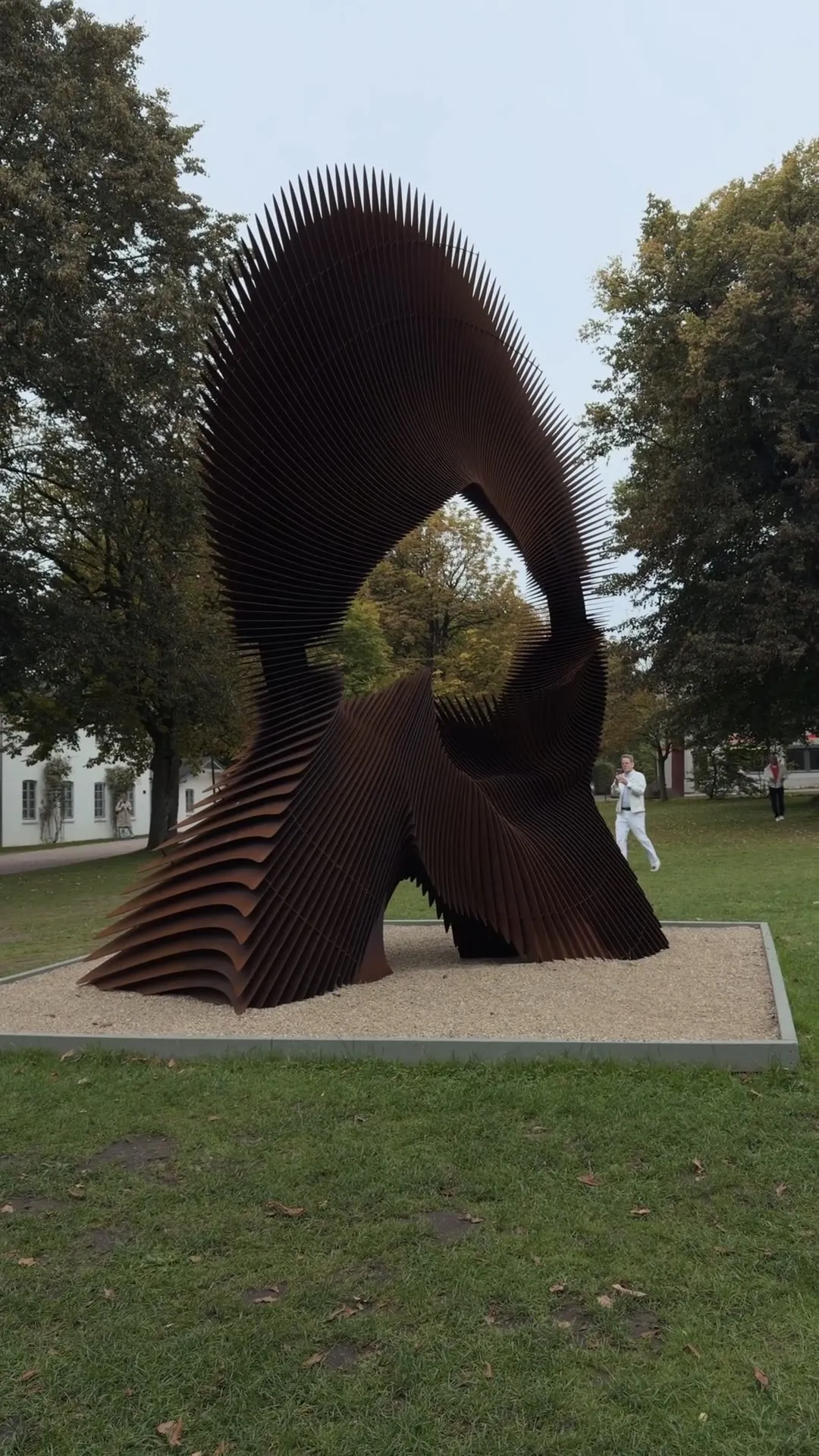
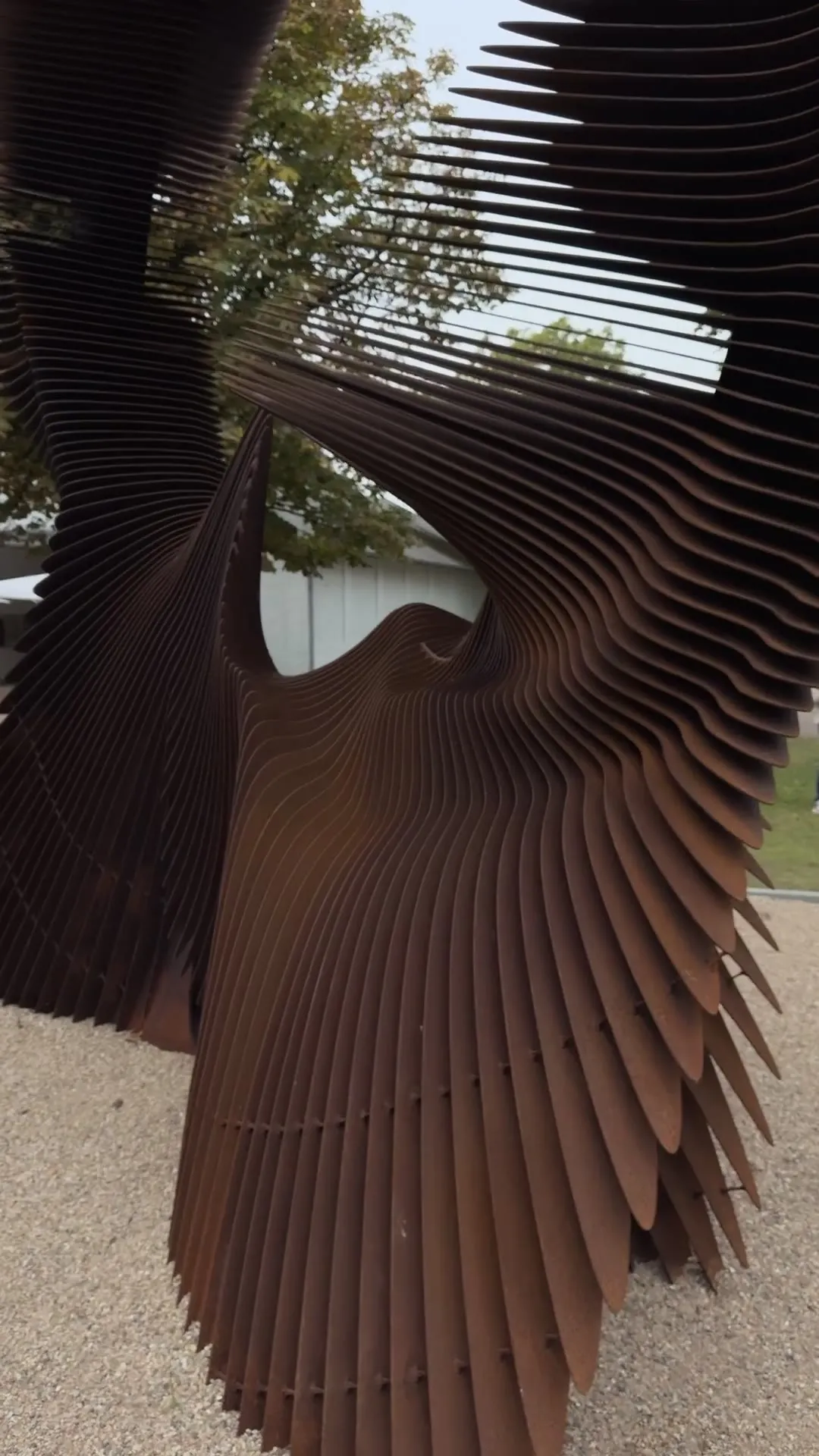
The figures are worth looking at side by side. In 1999, 50 artists from six countries exhibited. In 2026 there are around 200, selected from about 3,000 applications and, according to the dpa news agency, coming from 50 countries. More than 100,000 people visit every summer. The halls add up to 22,000 square metres, plus the Wagenremise, a former carriage house, with 400 square metres, and outside lies a sculpture park of 80,000 square metres. Anyone who wants to see everything needs comfortable shoes and should not arrive in the late afternoon.
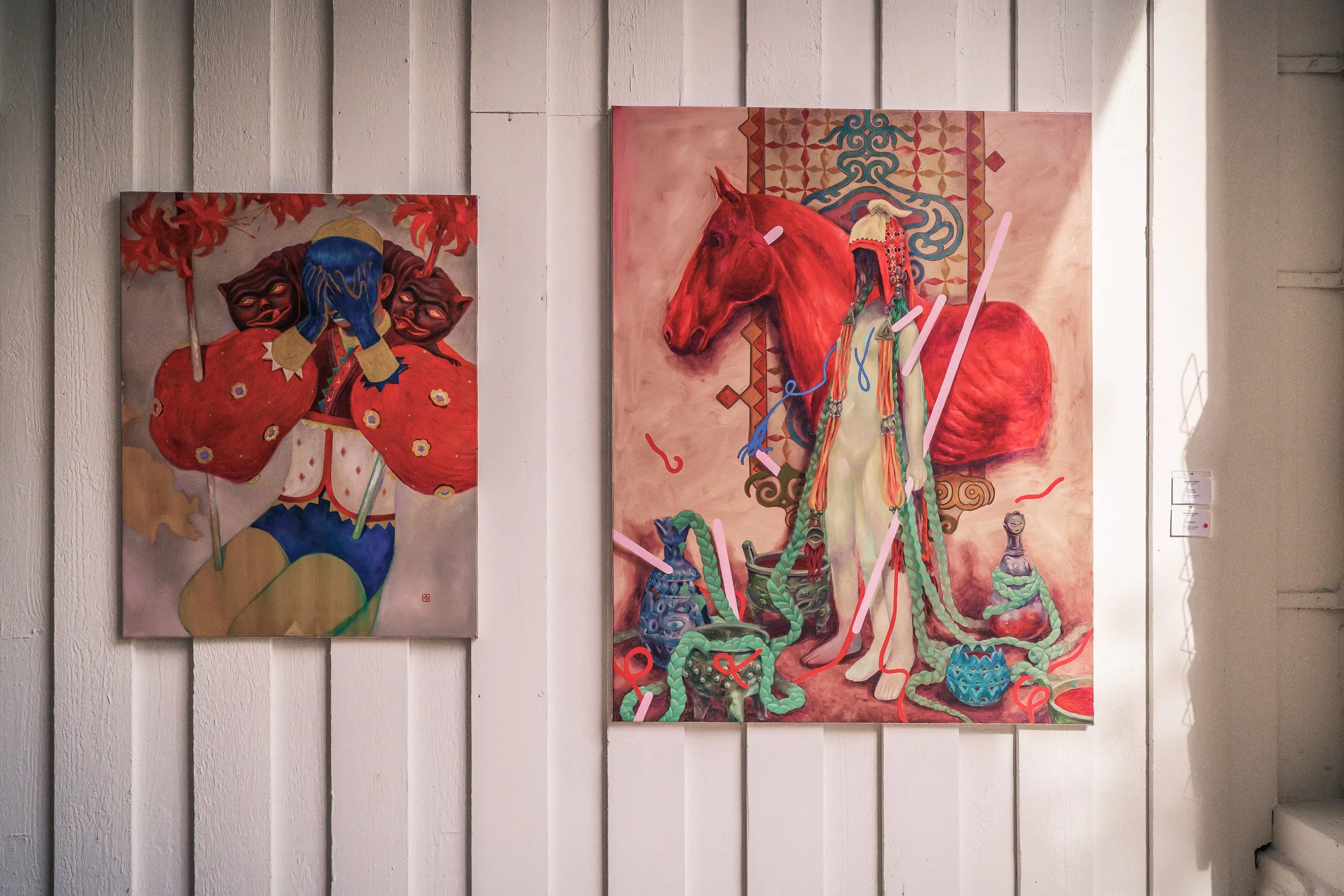
And yet NordArt is not a fair. There are no booths where galleries show their programmes side by side. The exhibition is curated as a whole every year, by Wolfgang Gramm as chief curator, by Inga Aru and Taso Gramm. Then there are country projects, this year a focus on the Baltic states under the title “Vilnius – Riga – Tallinn: Notes from the Fringe”, a Chinese special project and one on Central Asia in the Wagenremise. That may explain why you never feel you are walking past booths here. It is more like wandering through a very large exhibition with very many voices, deliberately loud in some places and surprisingly quiet in others.
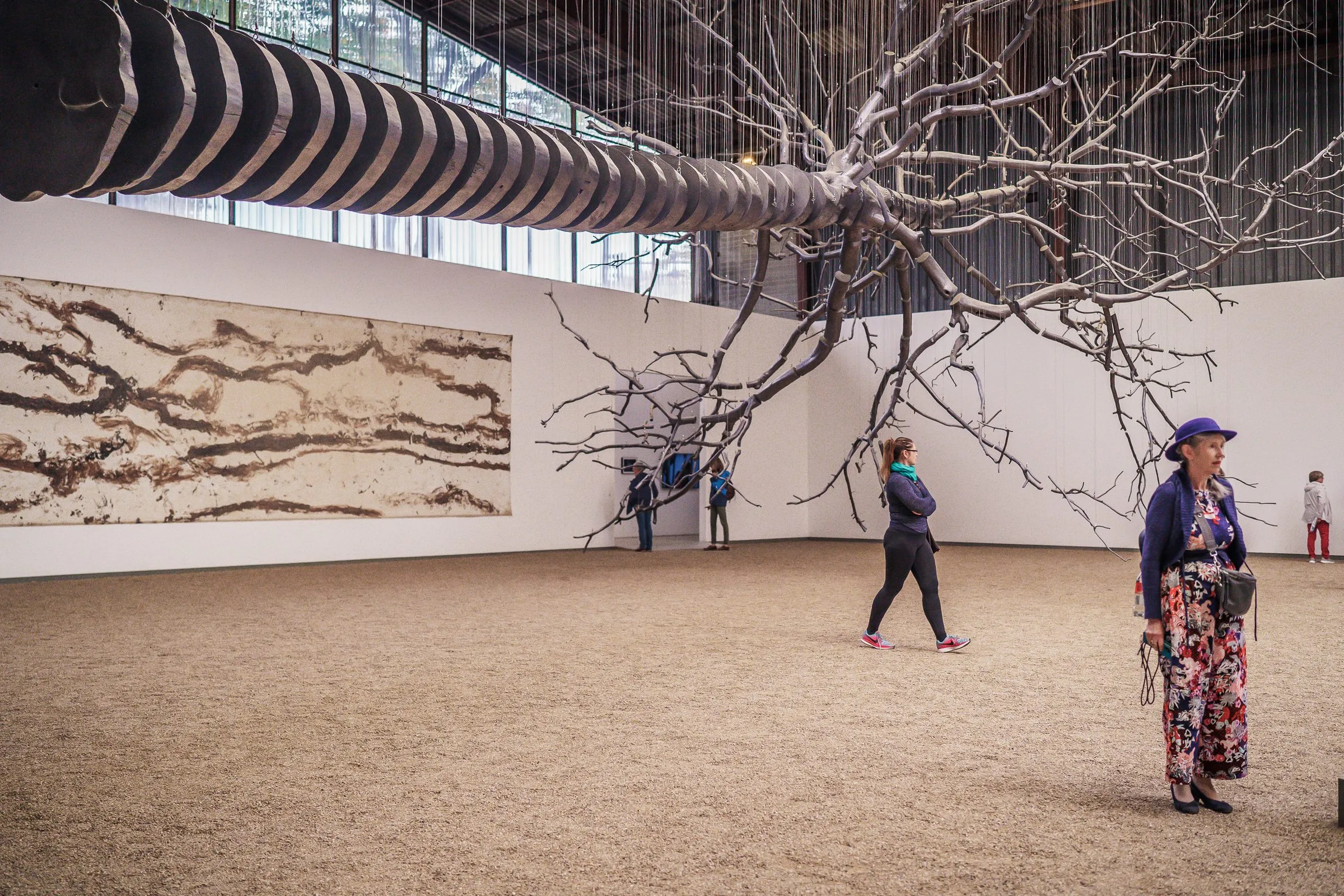
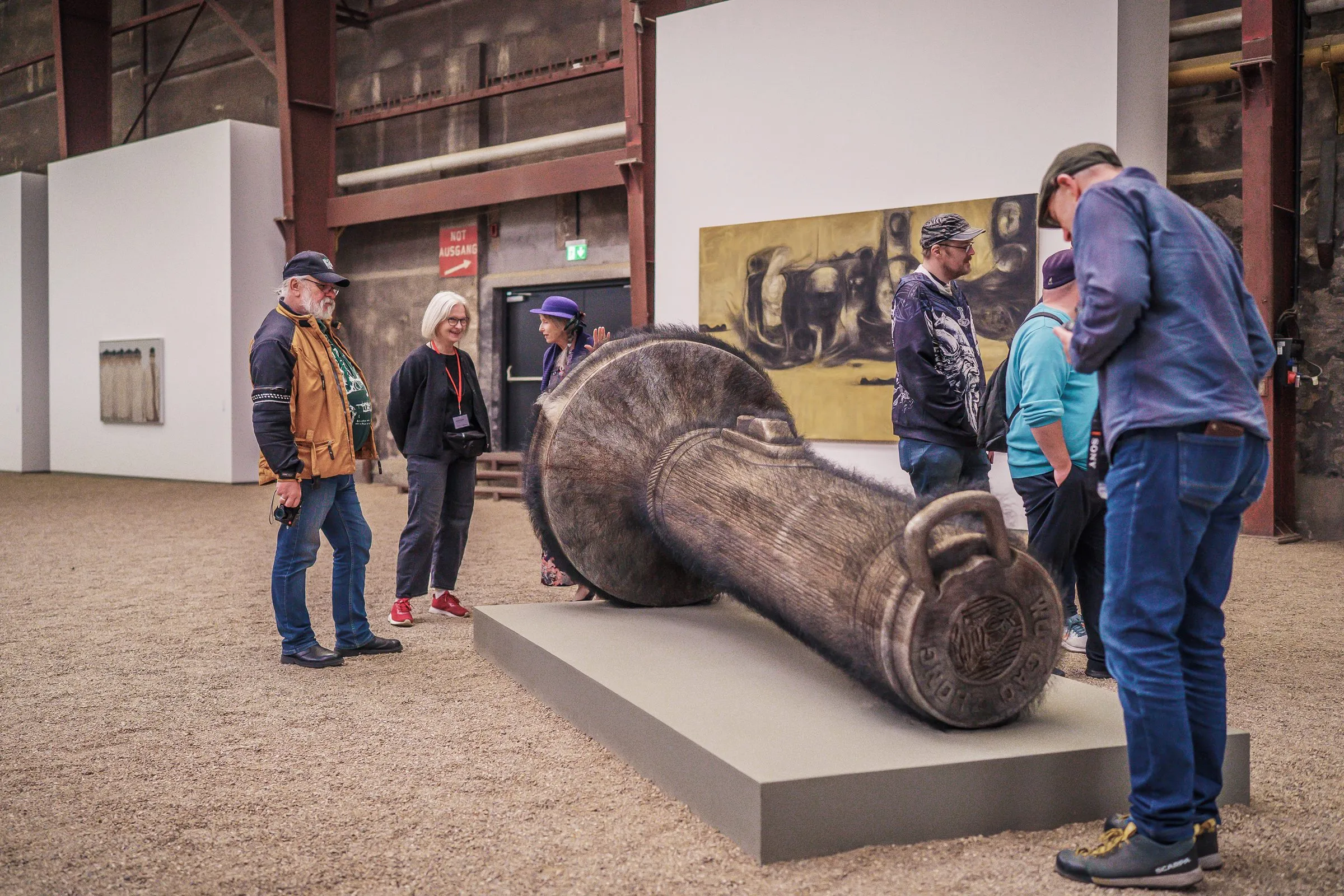
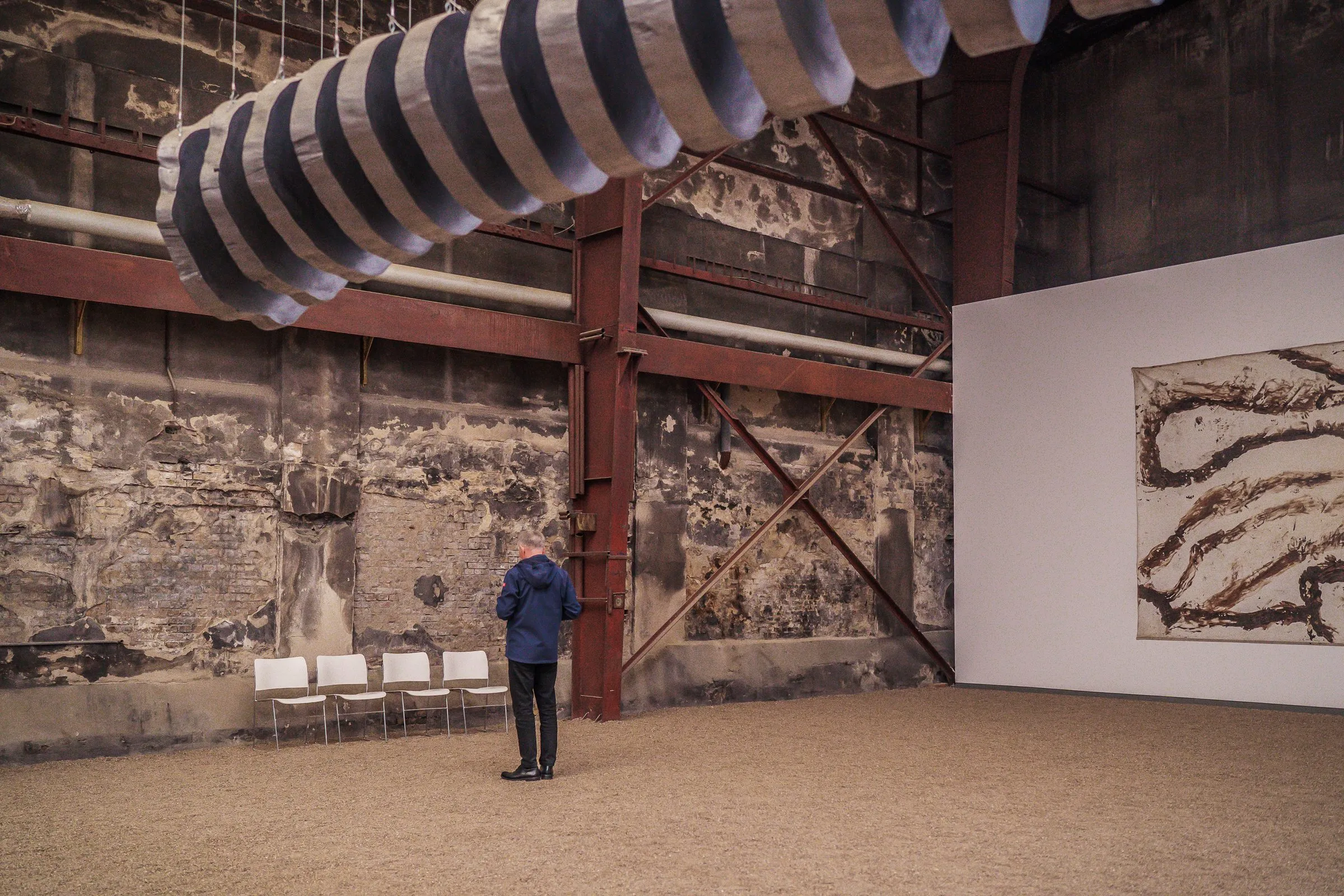
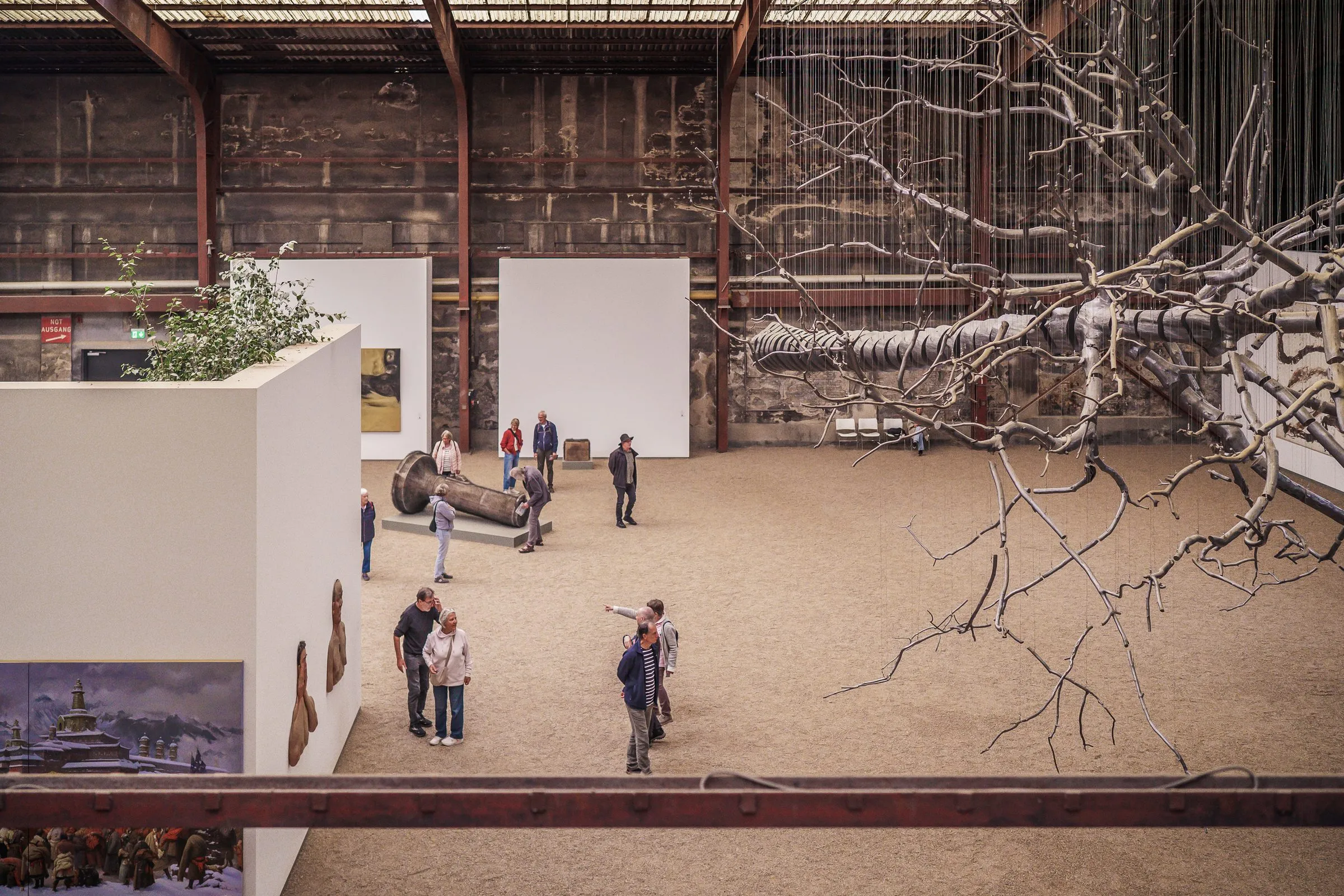
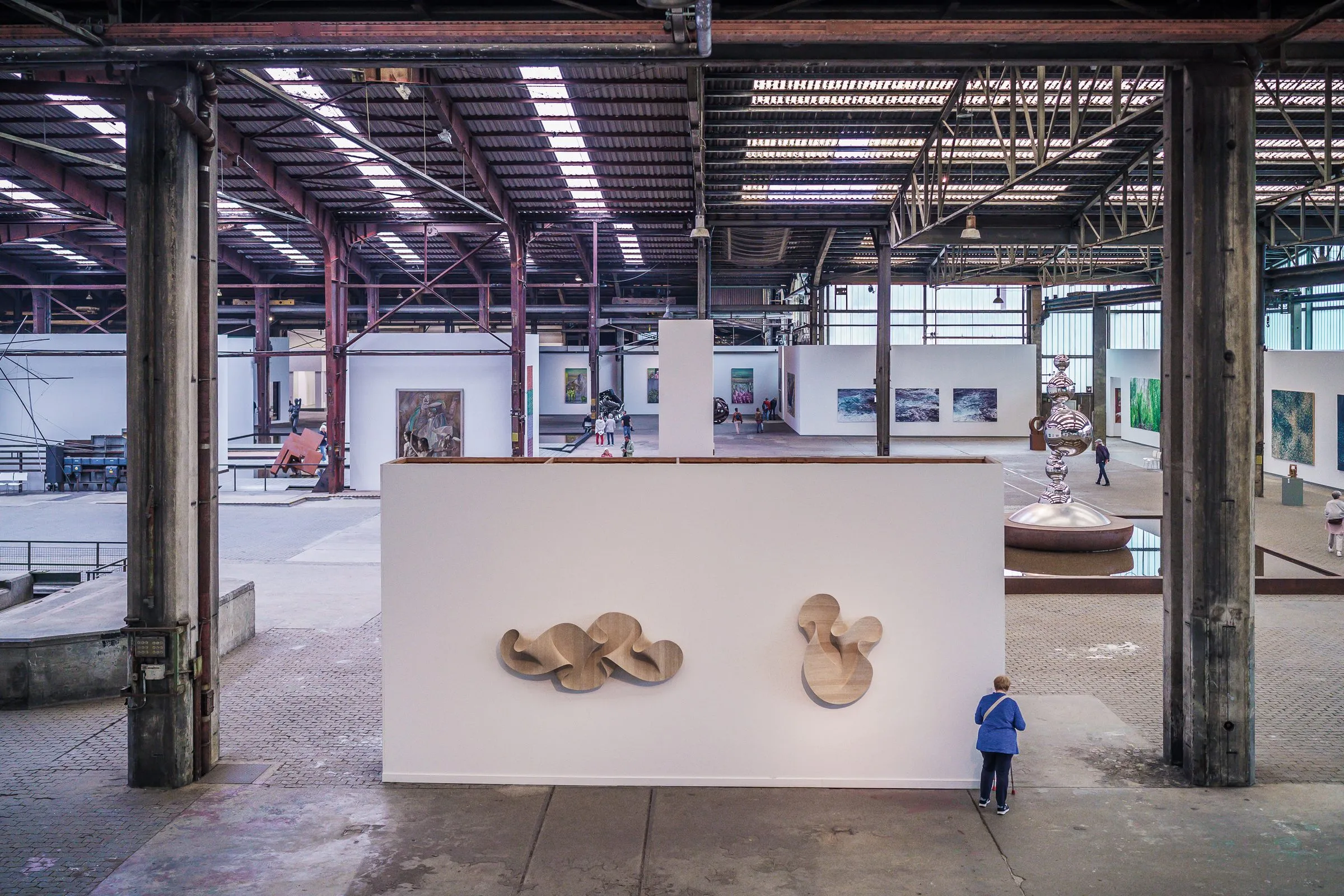
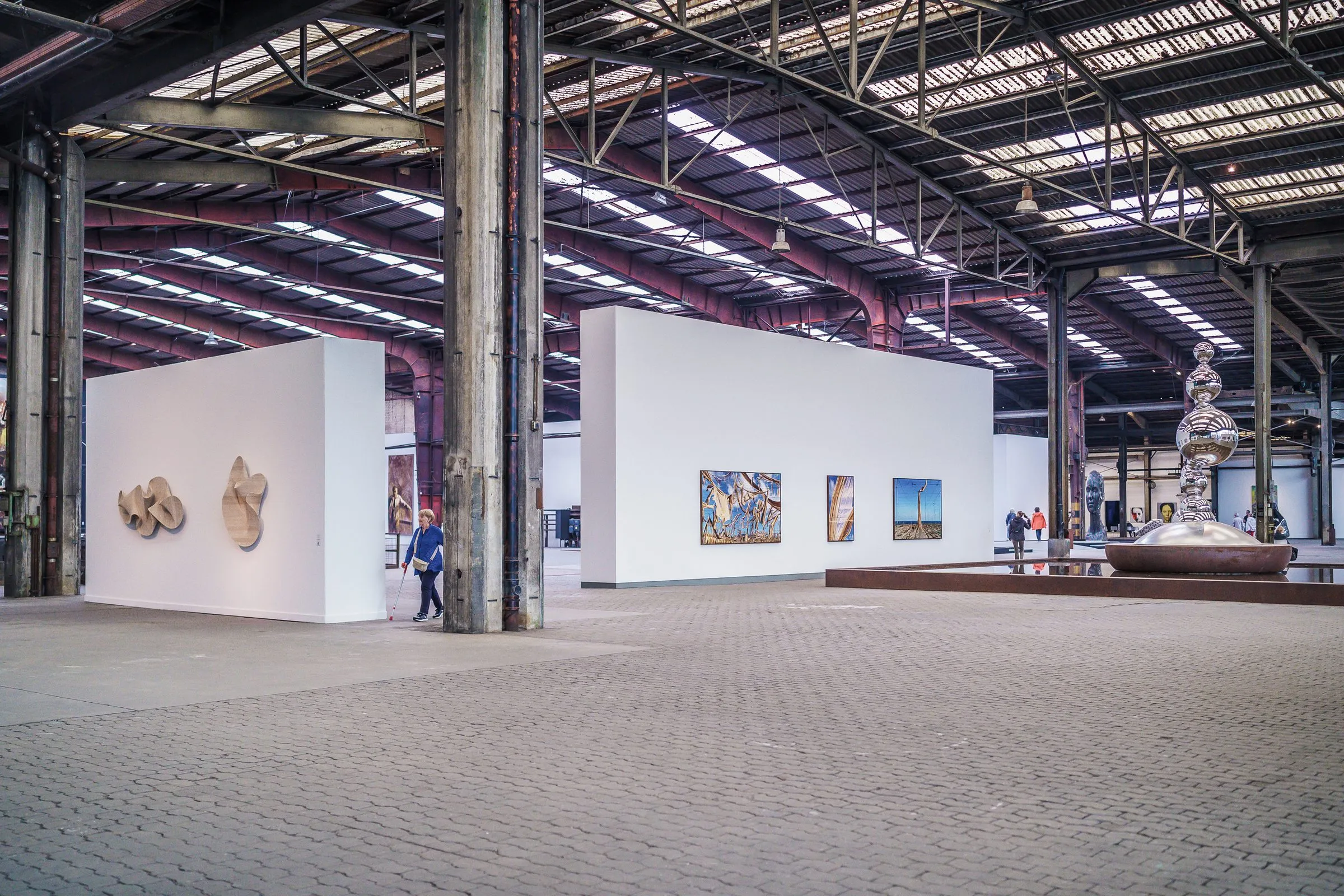
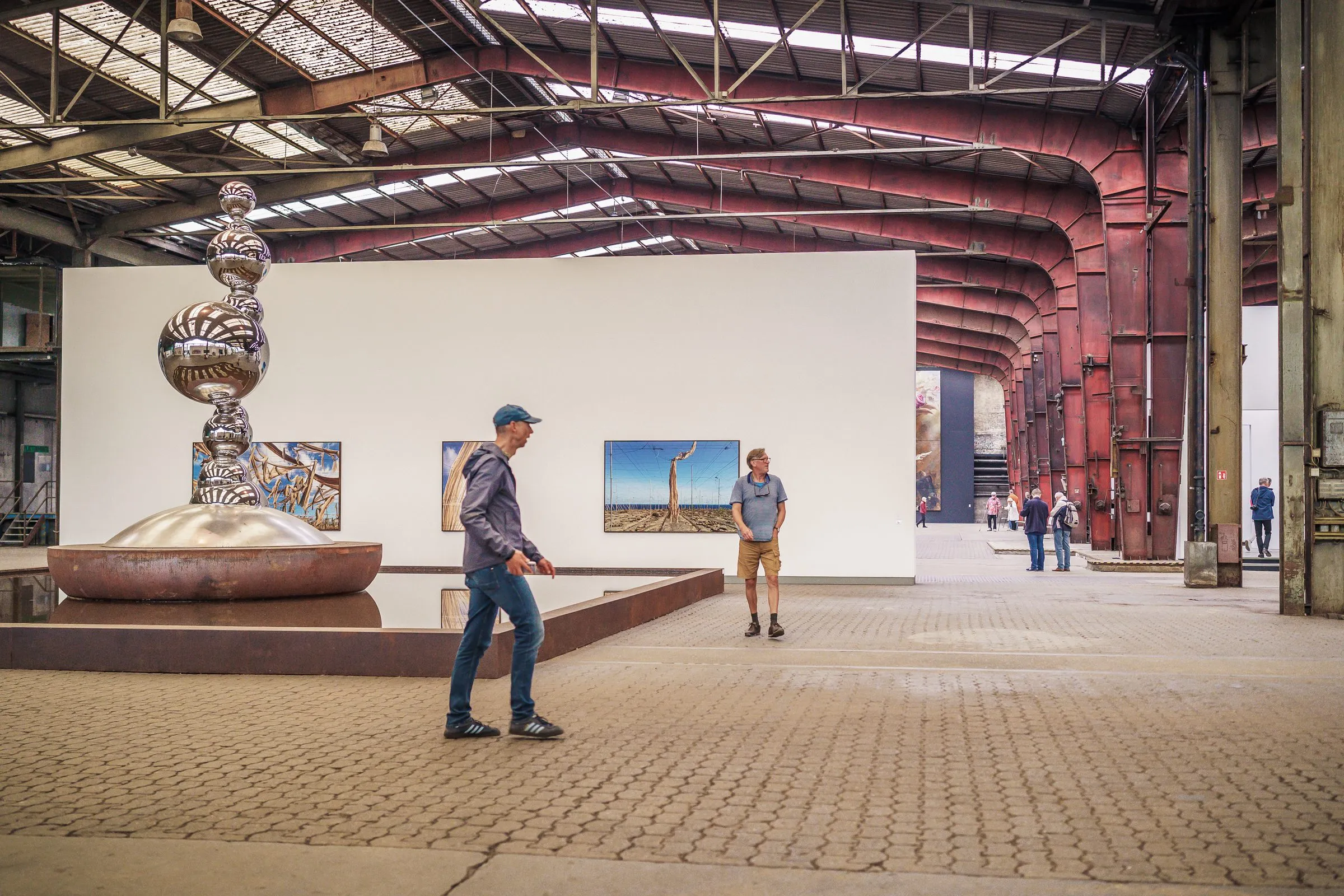
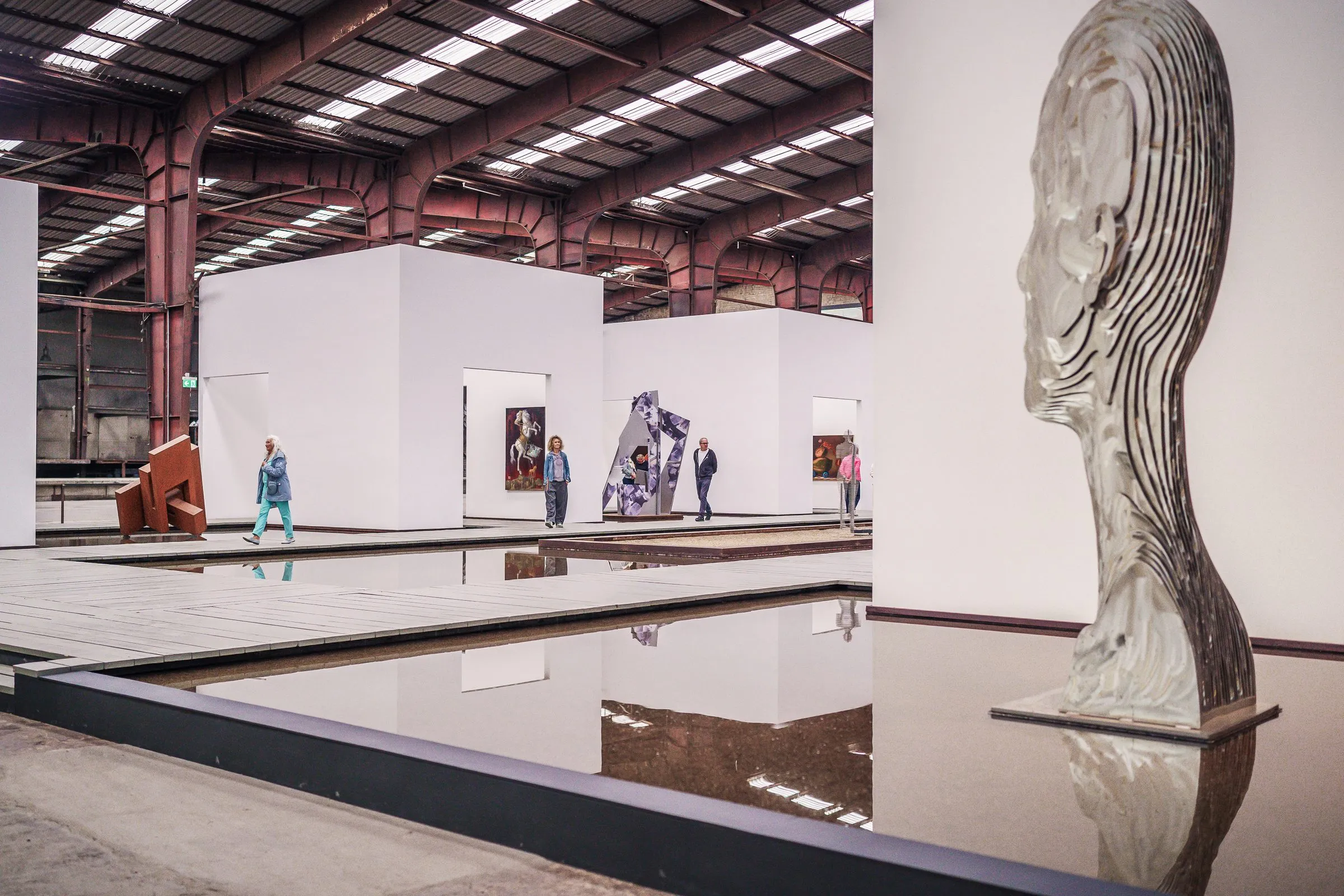
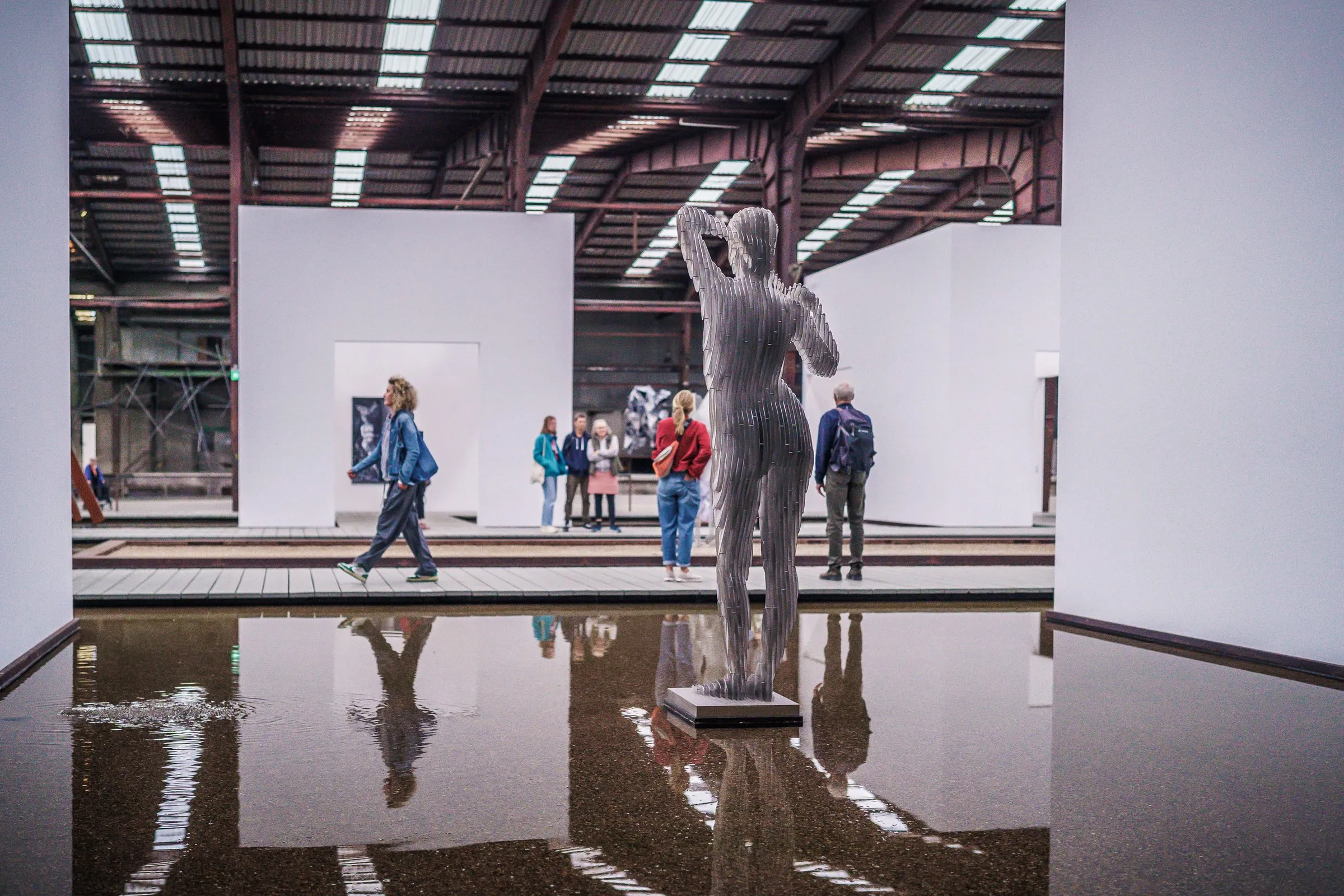
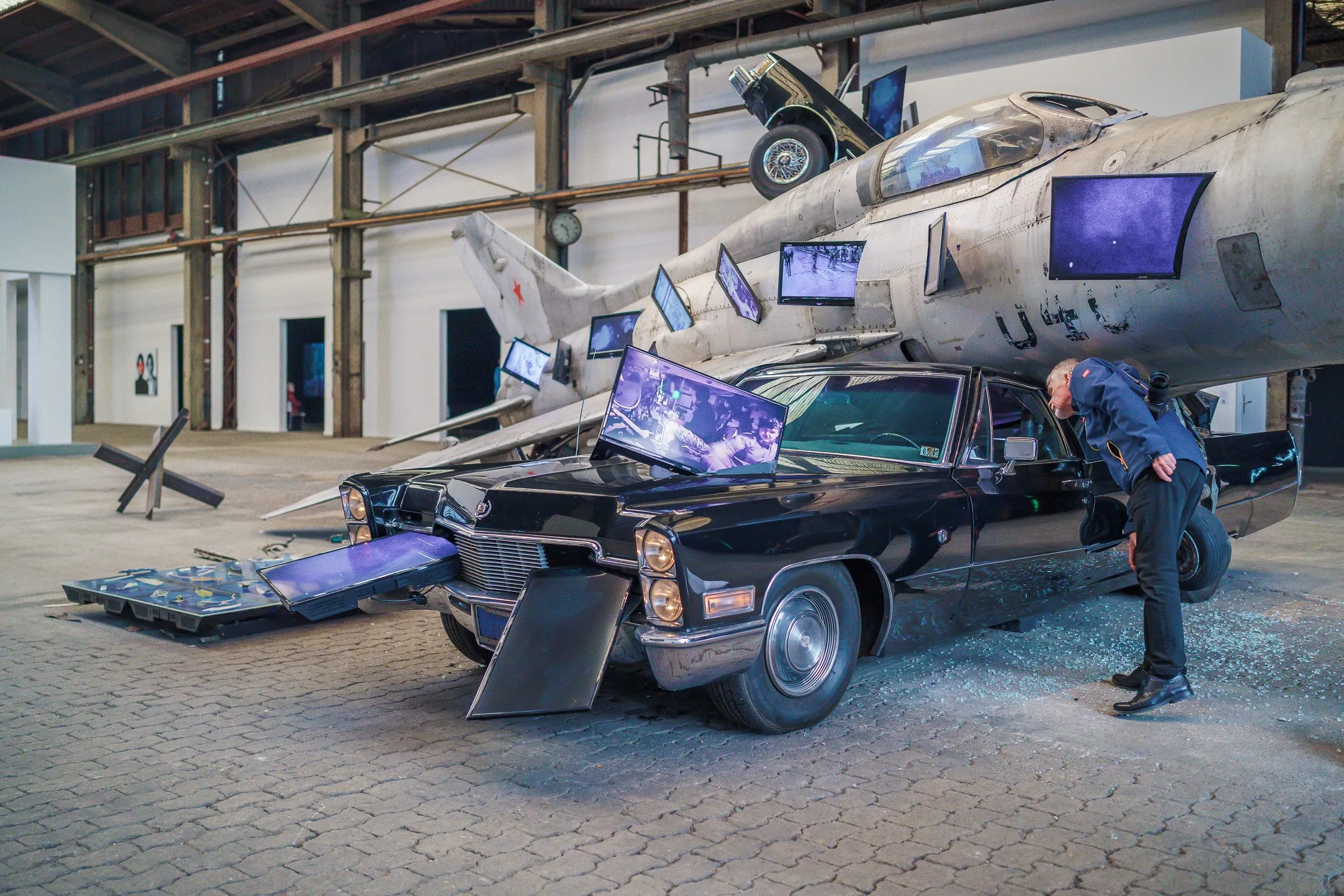
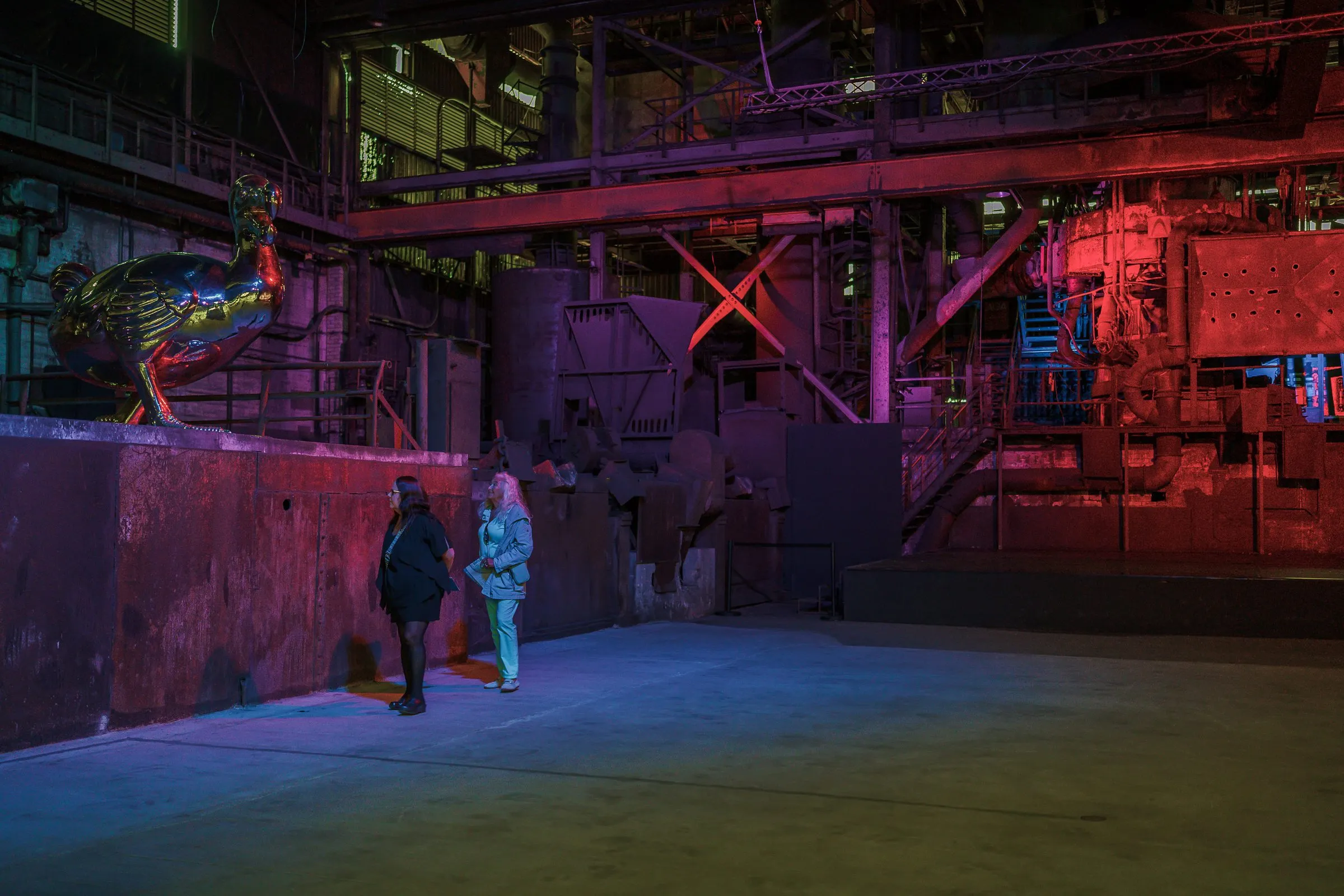
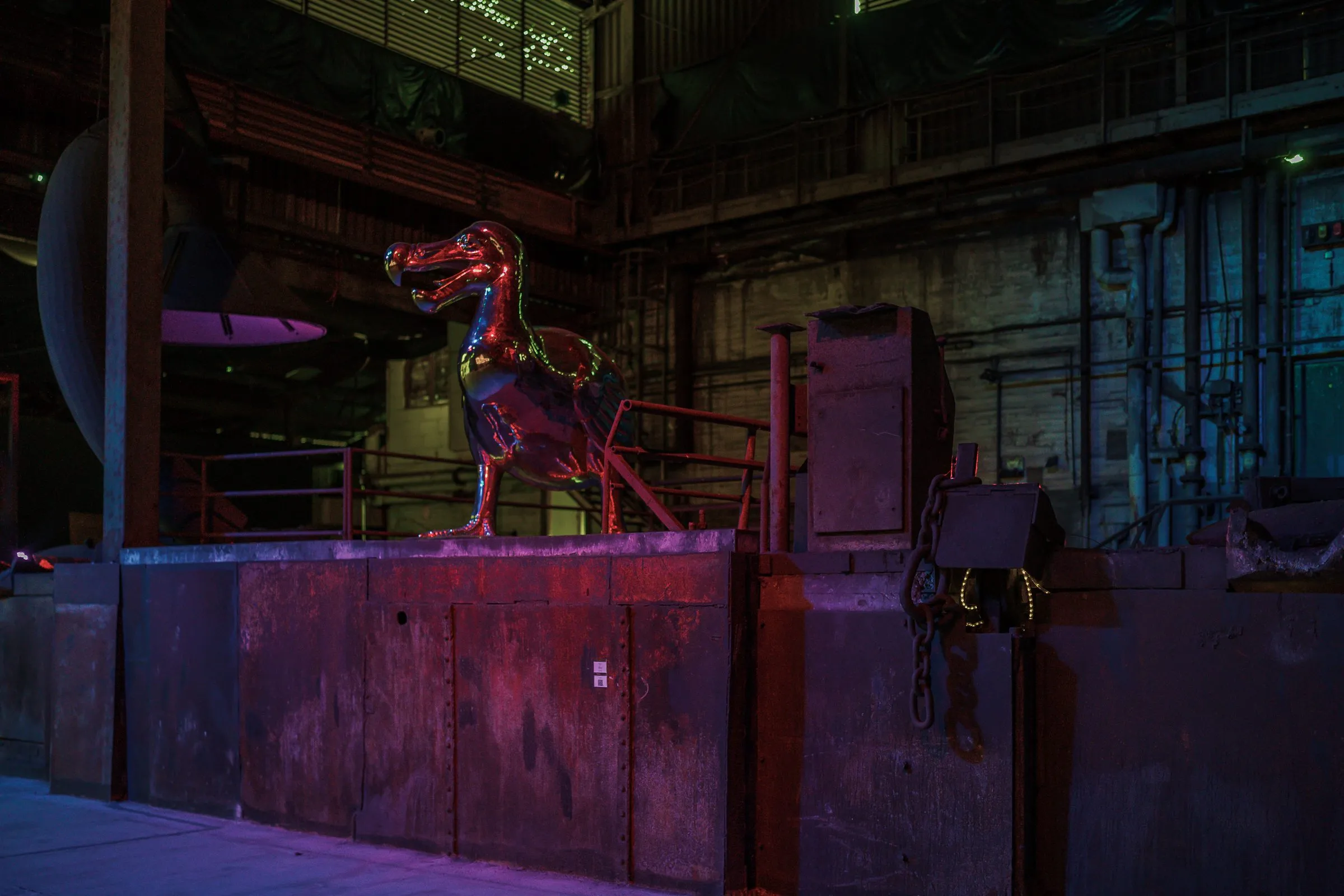
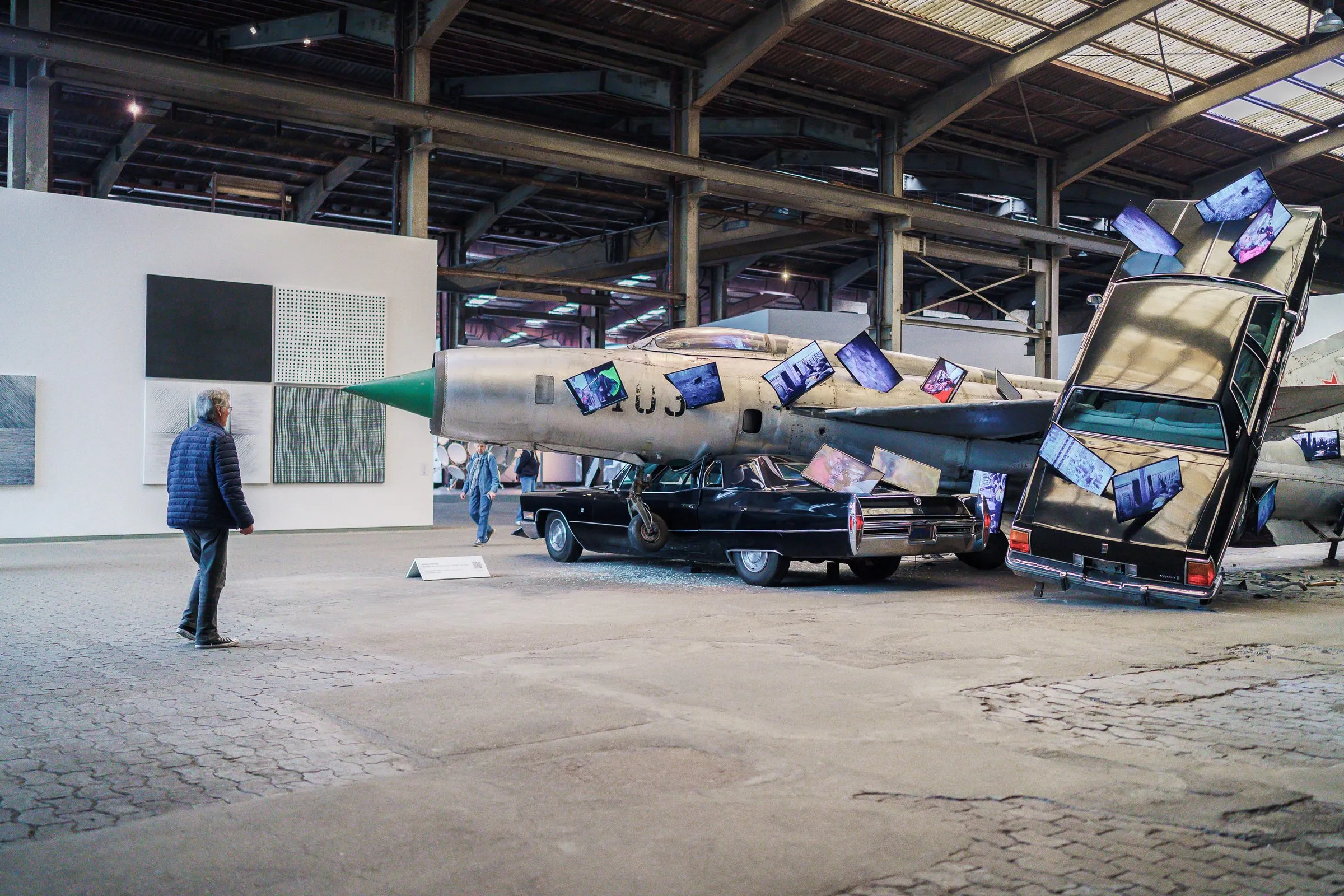
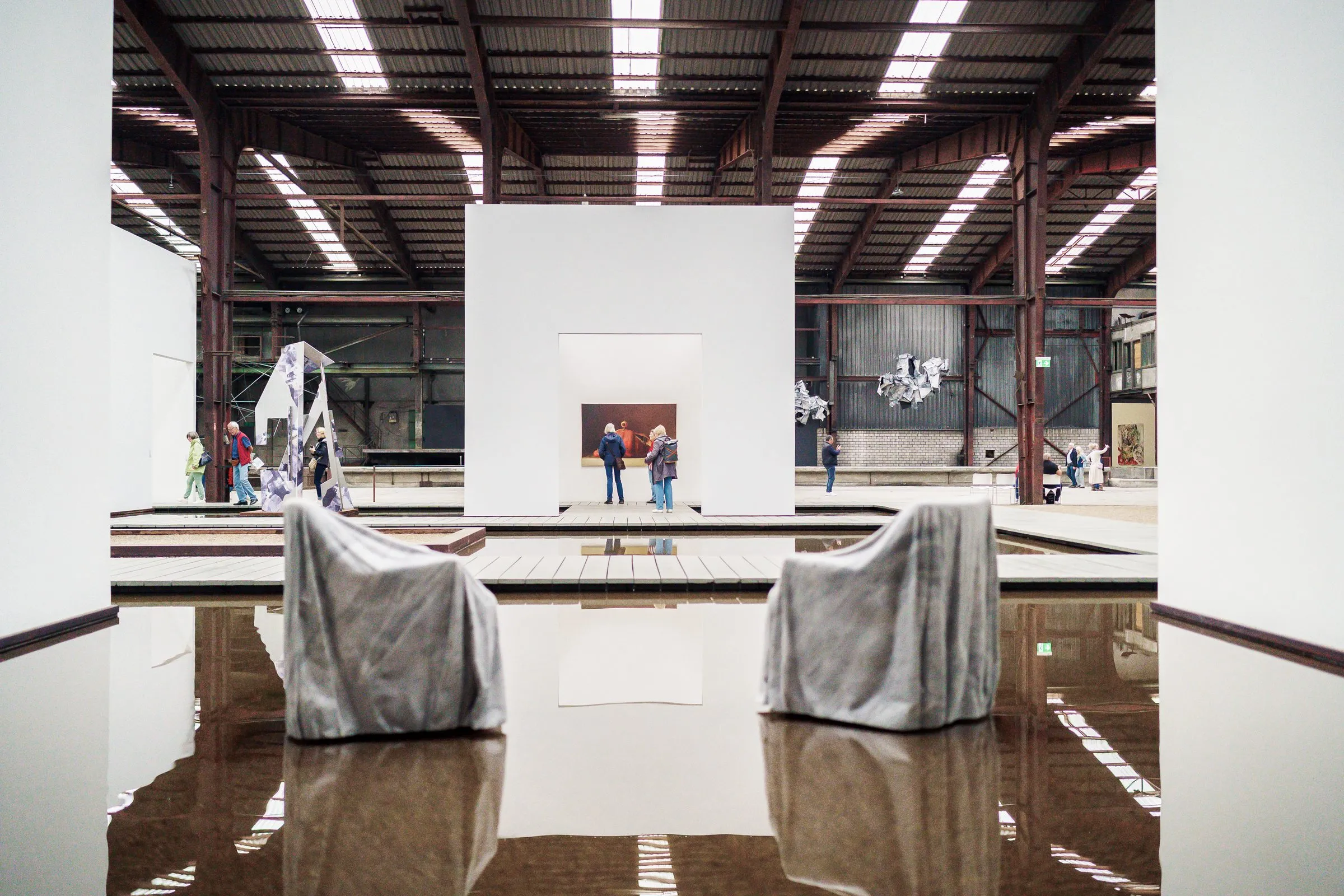
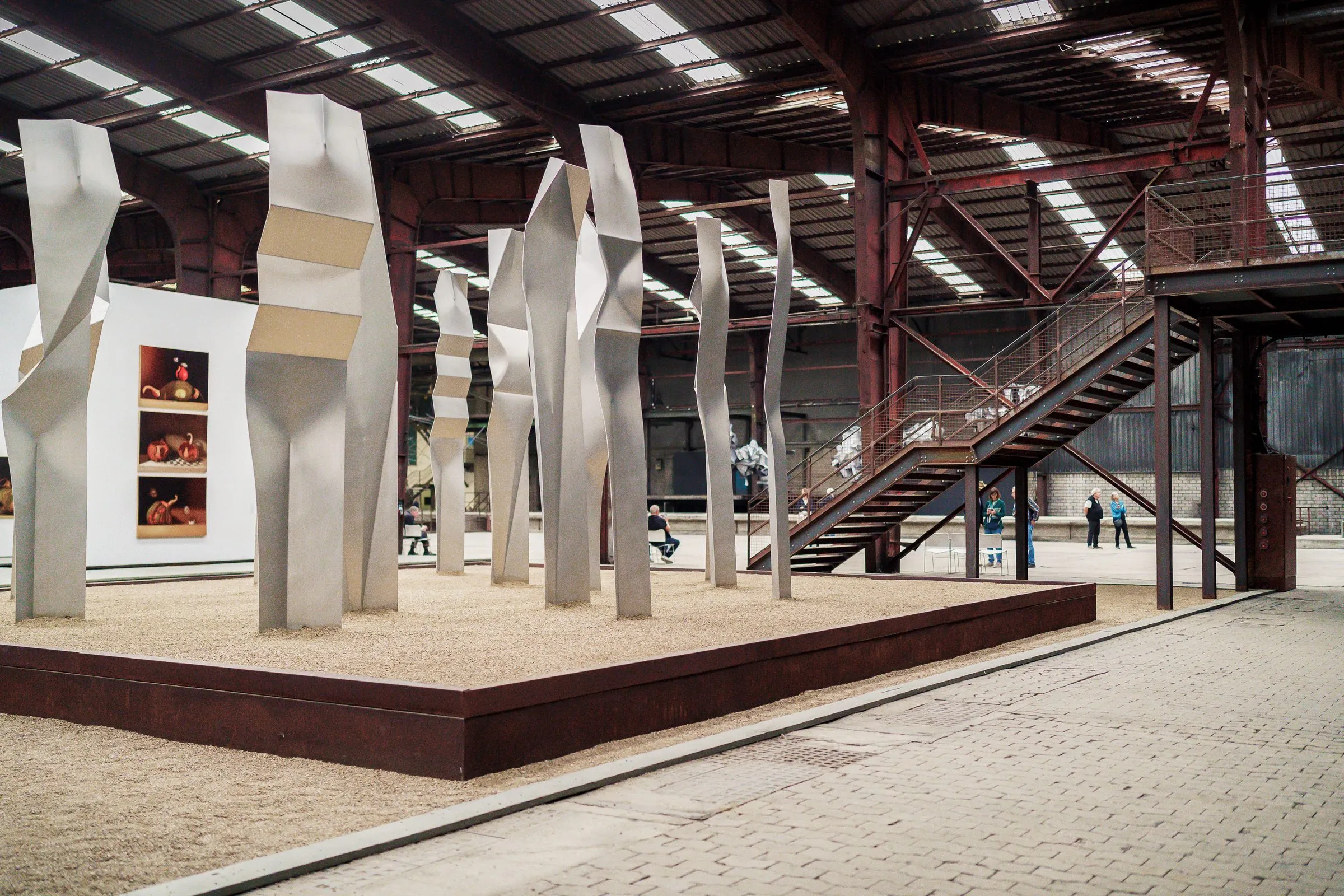
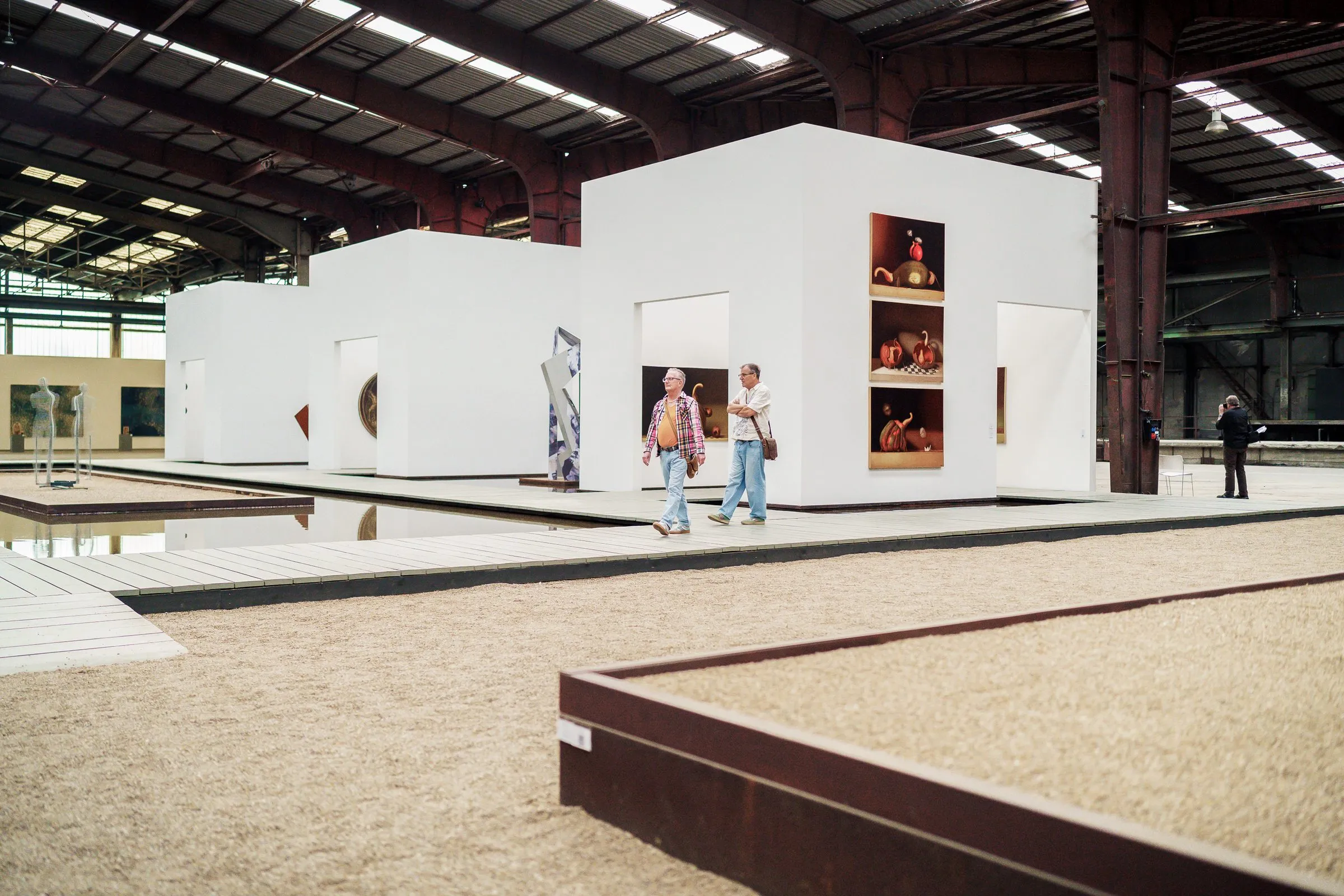
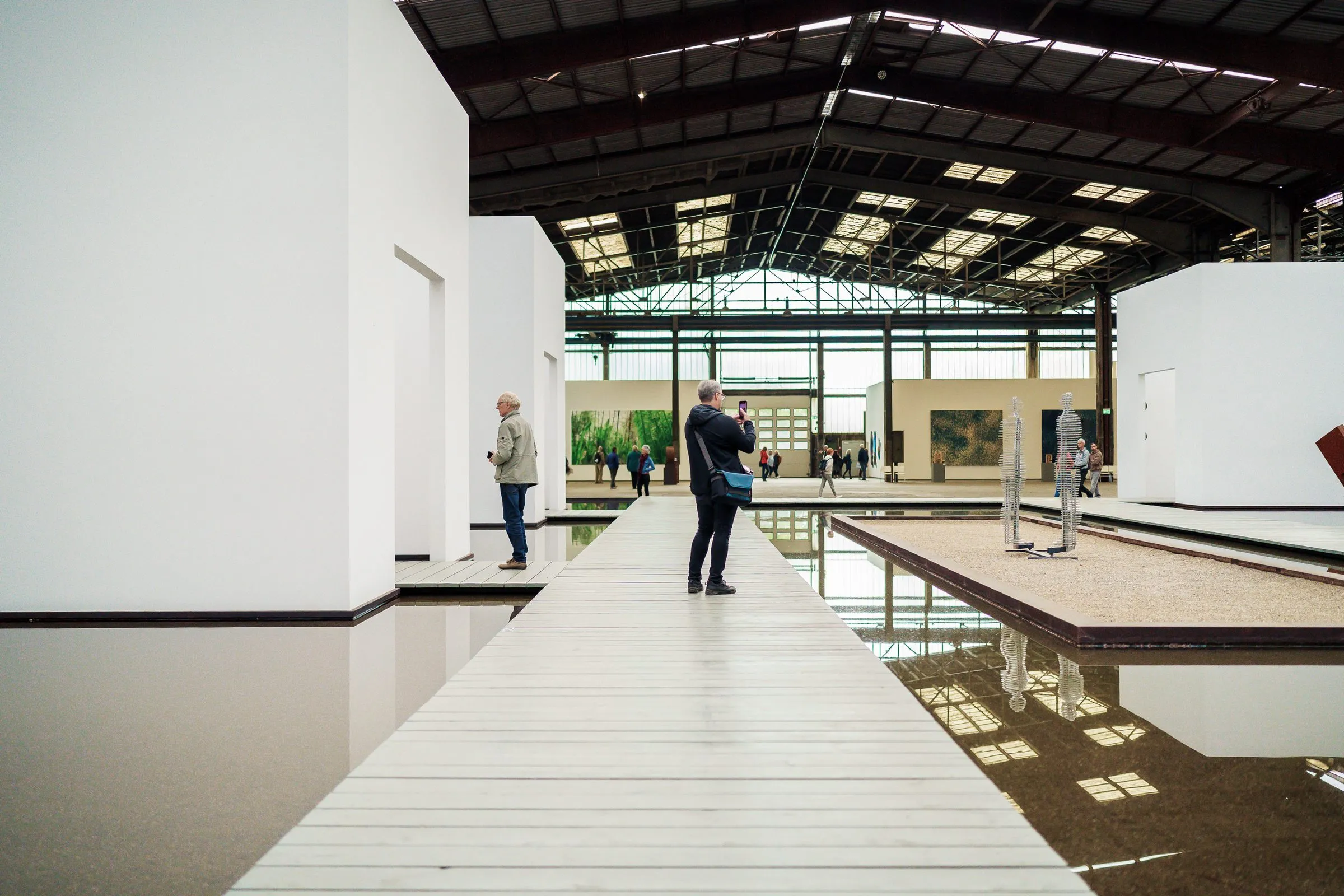
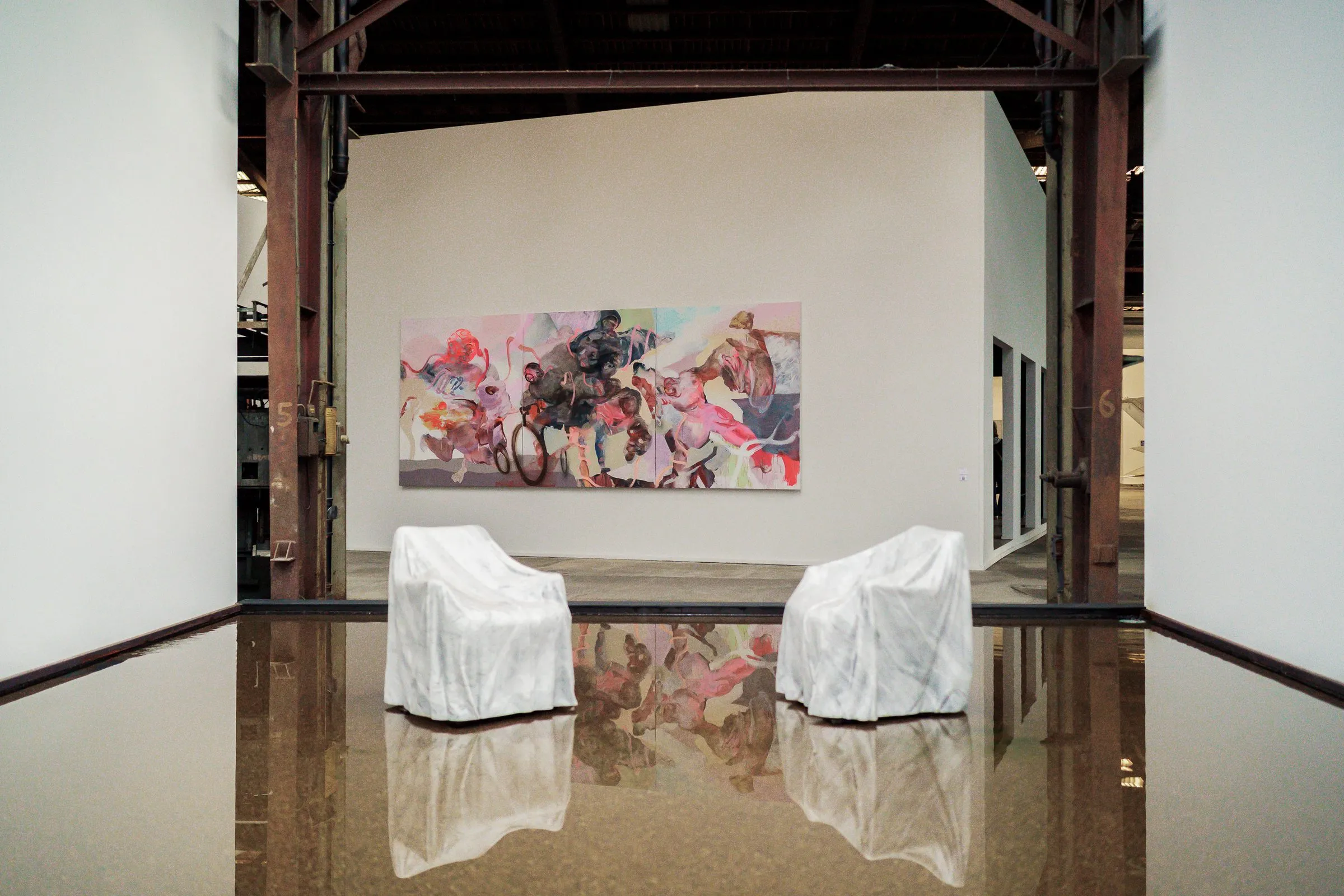
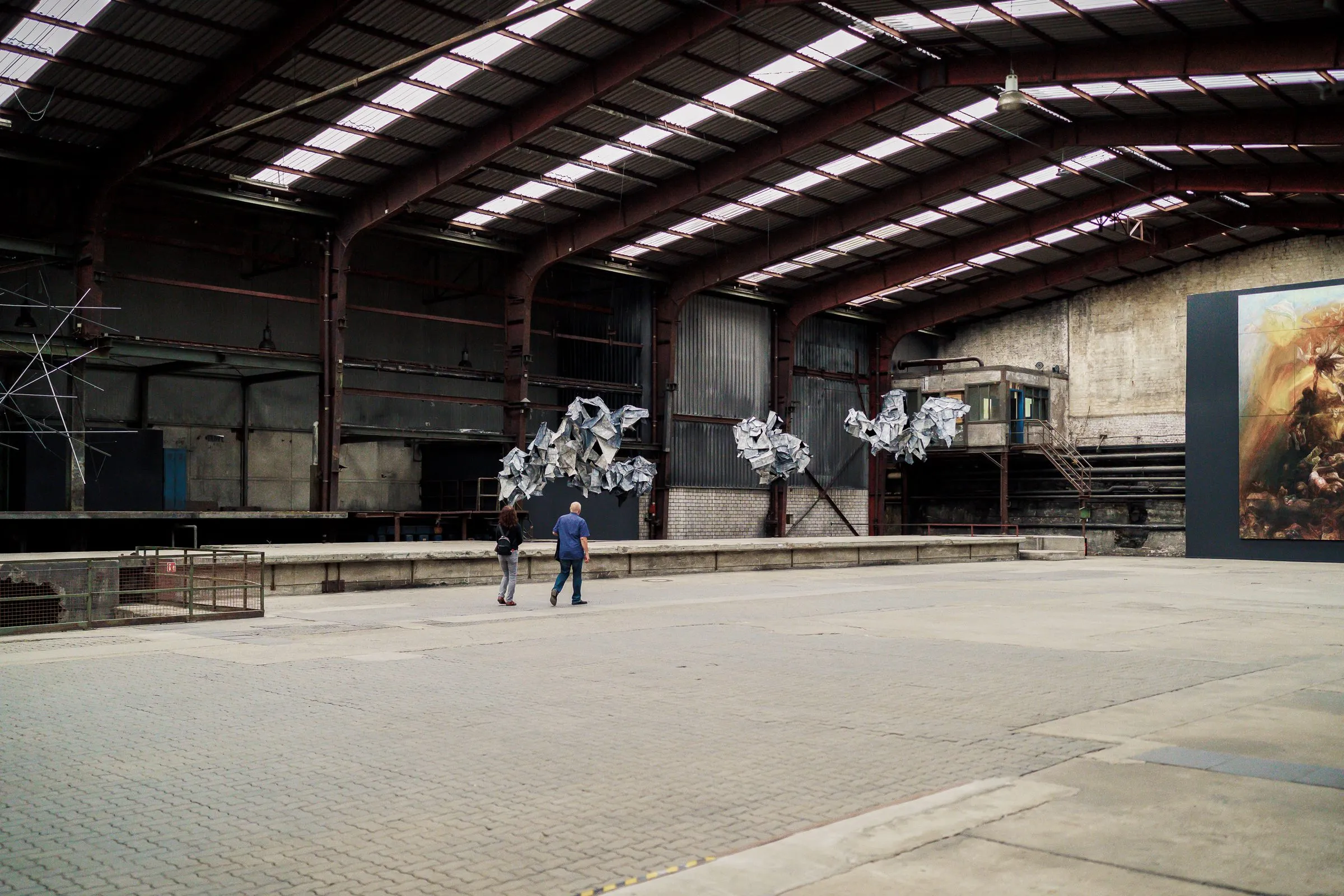
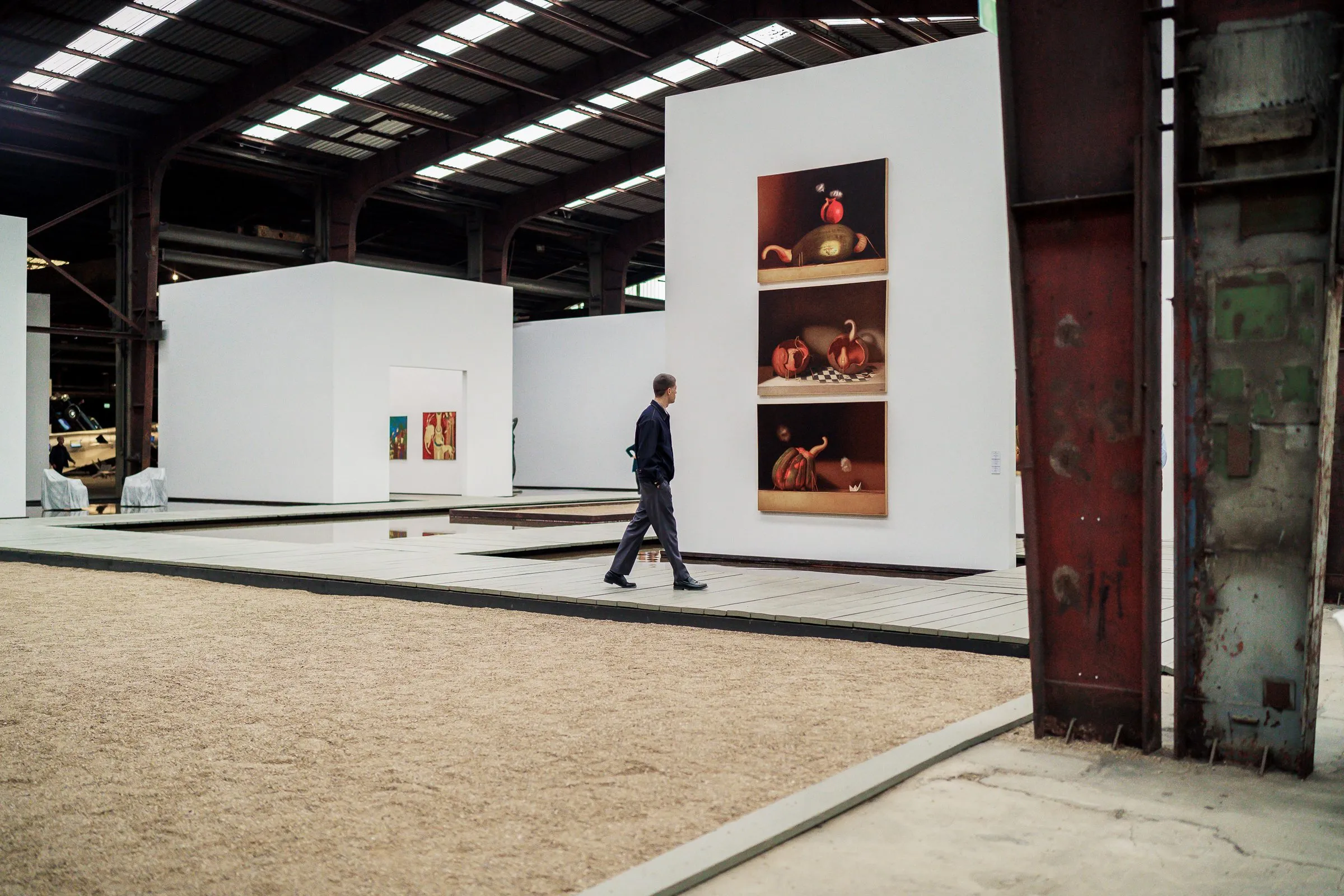
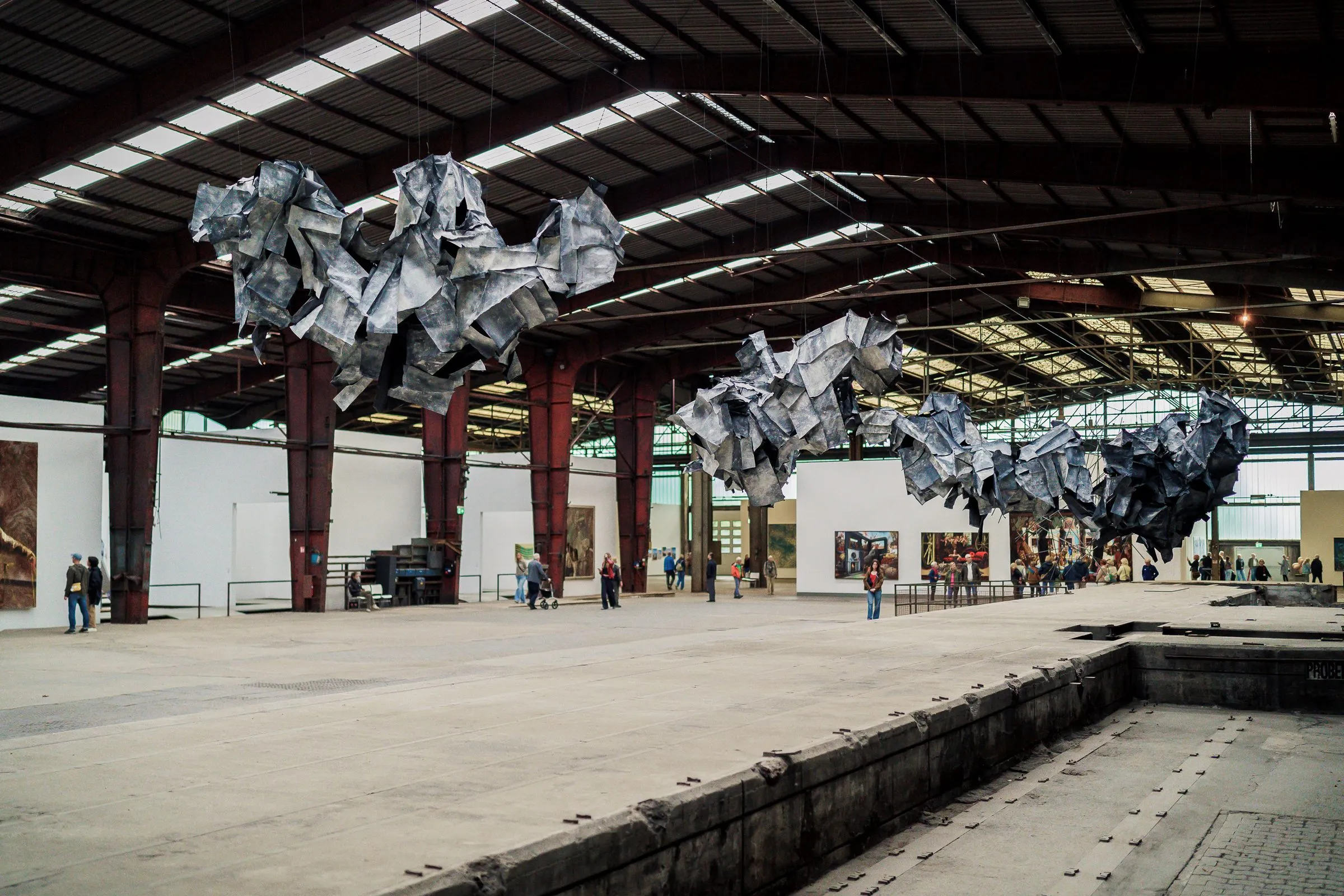
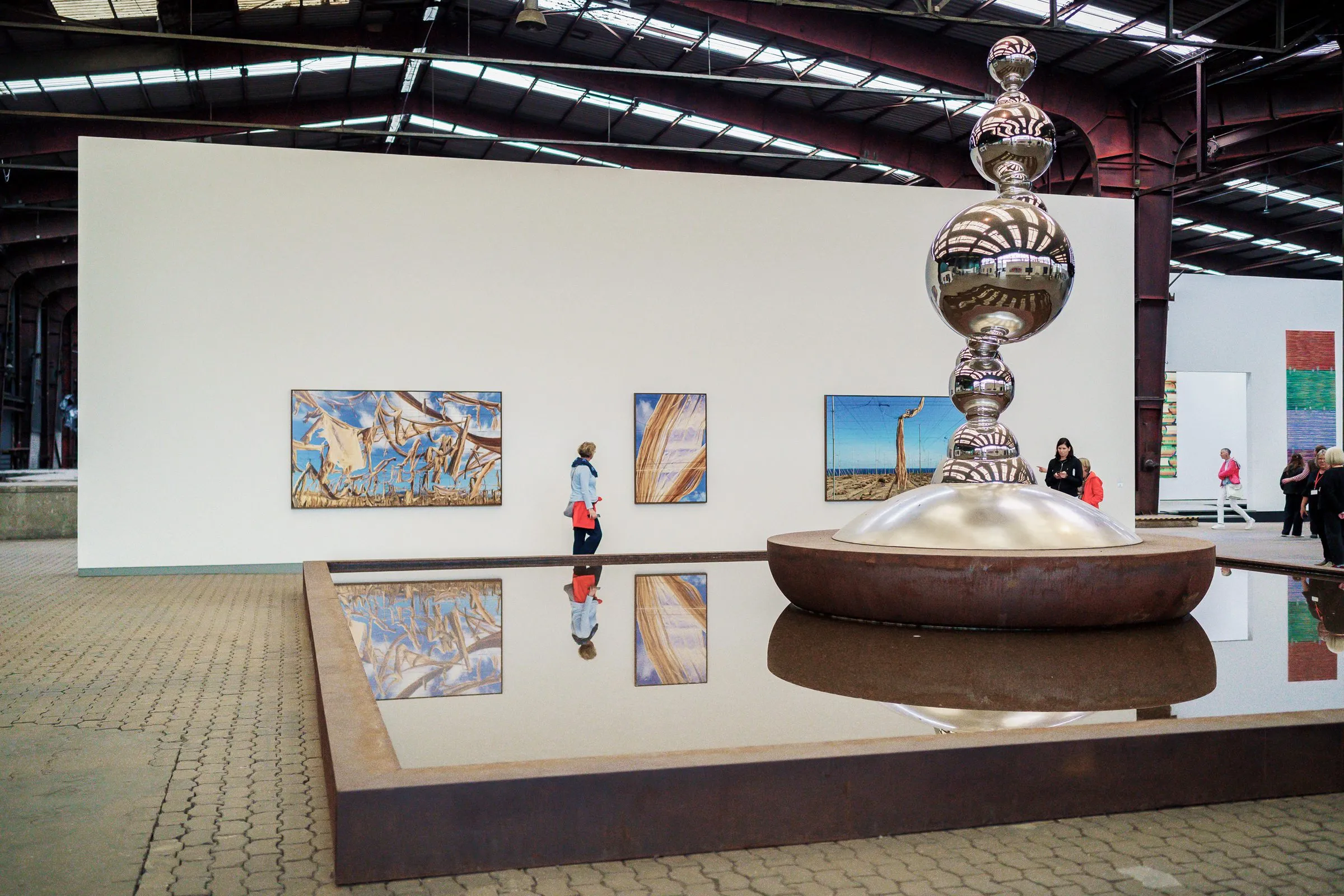
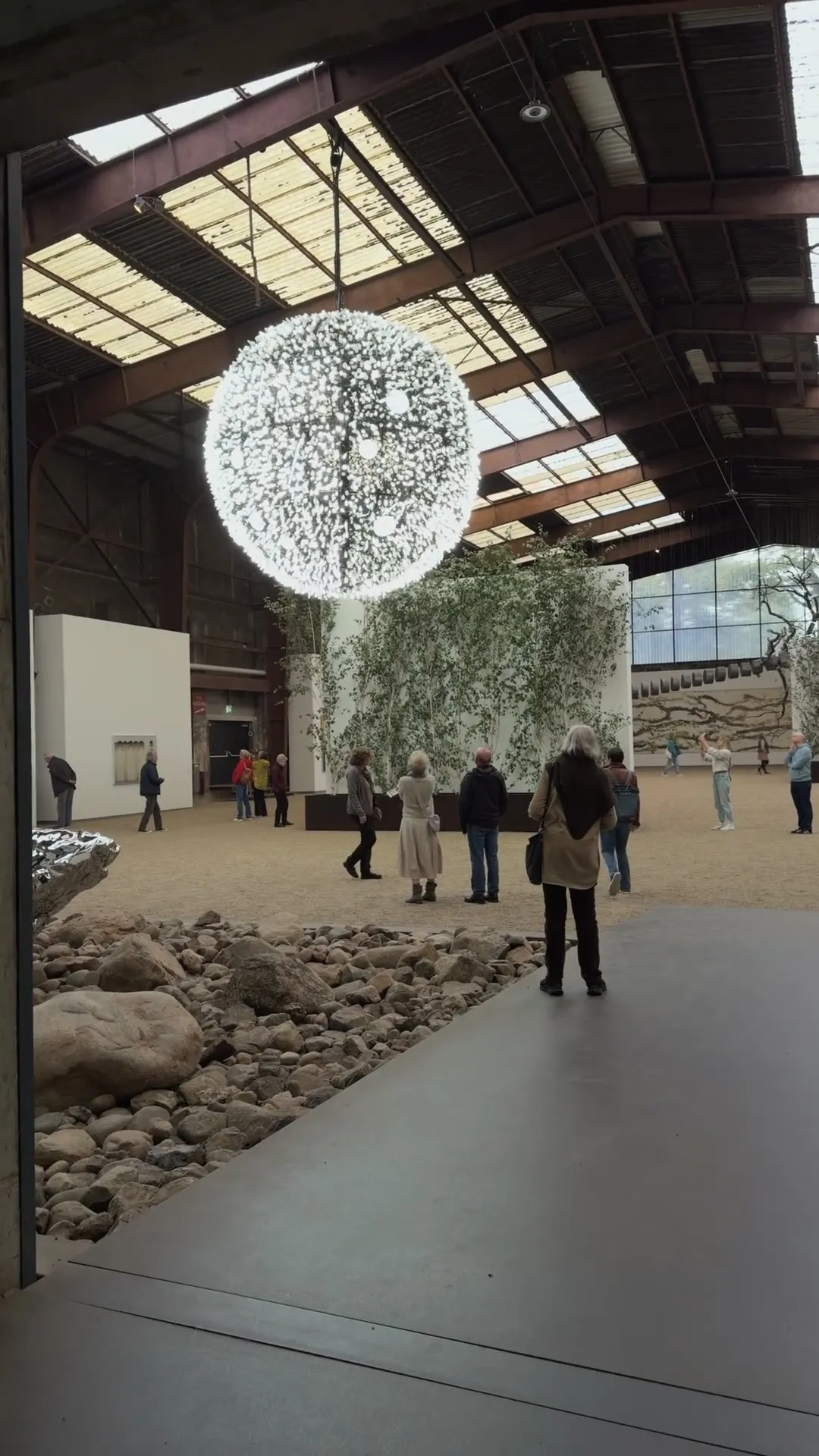
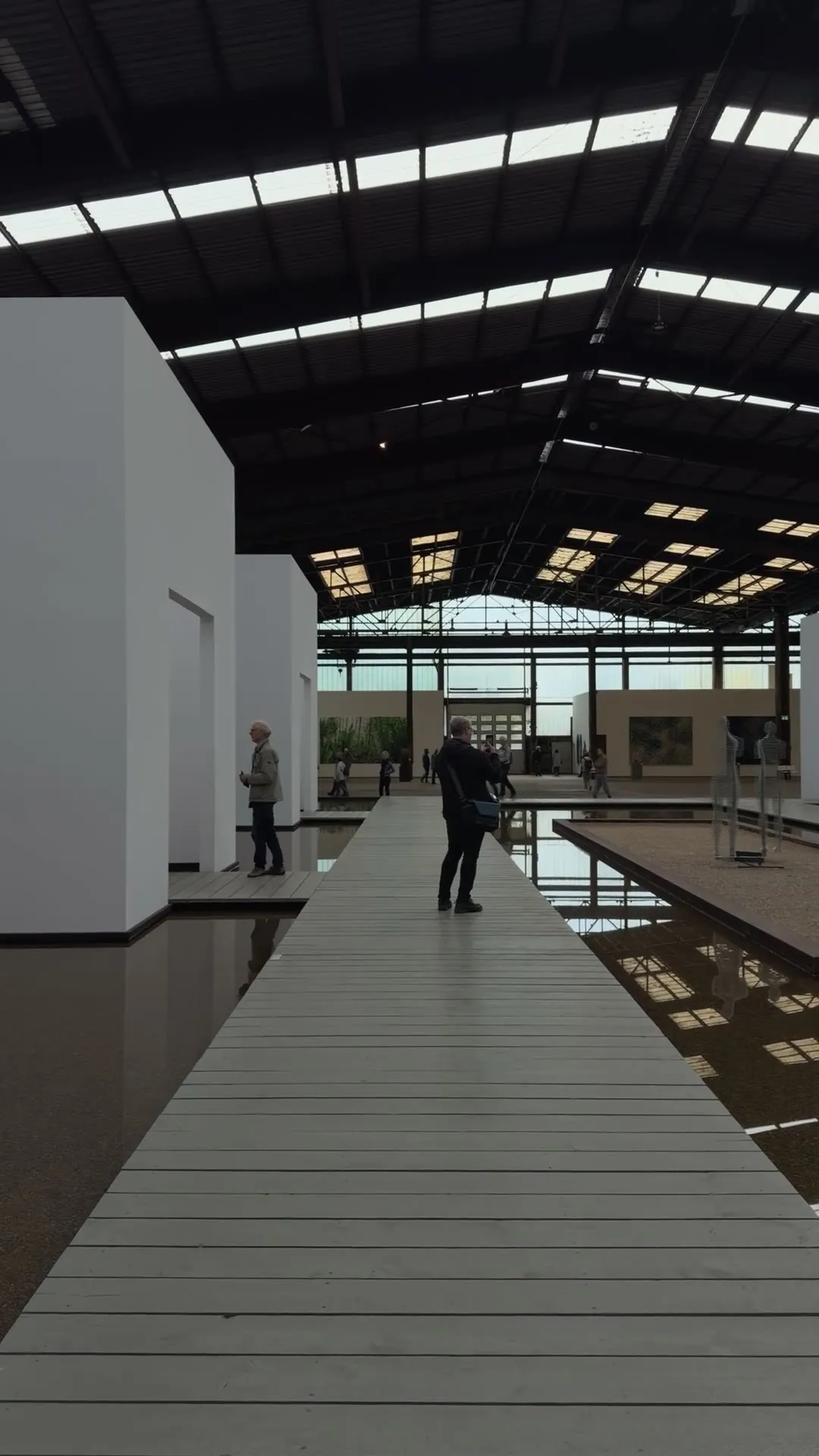
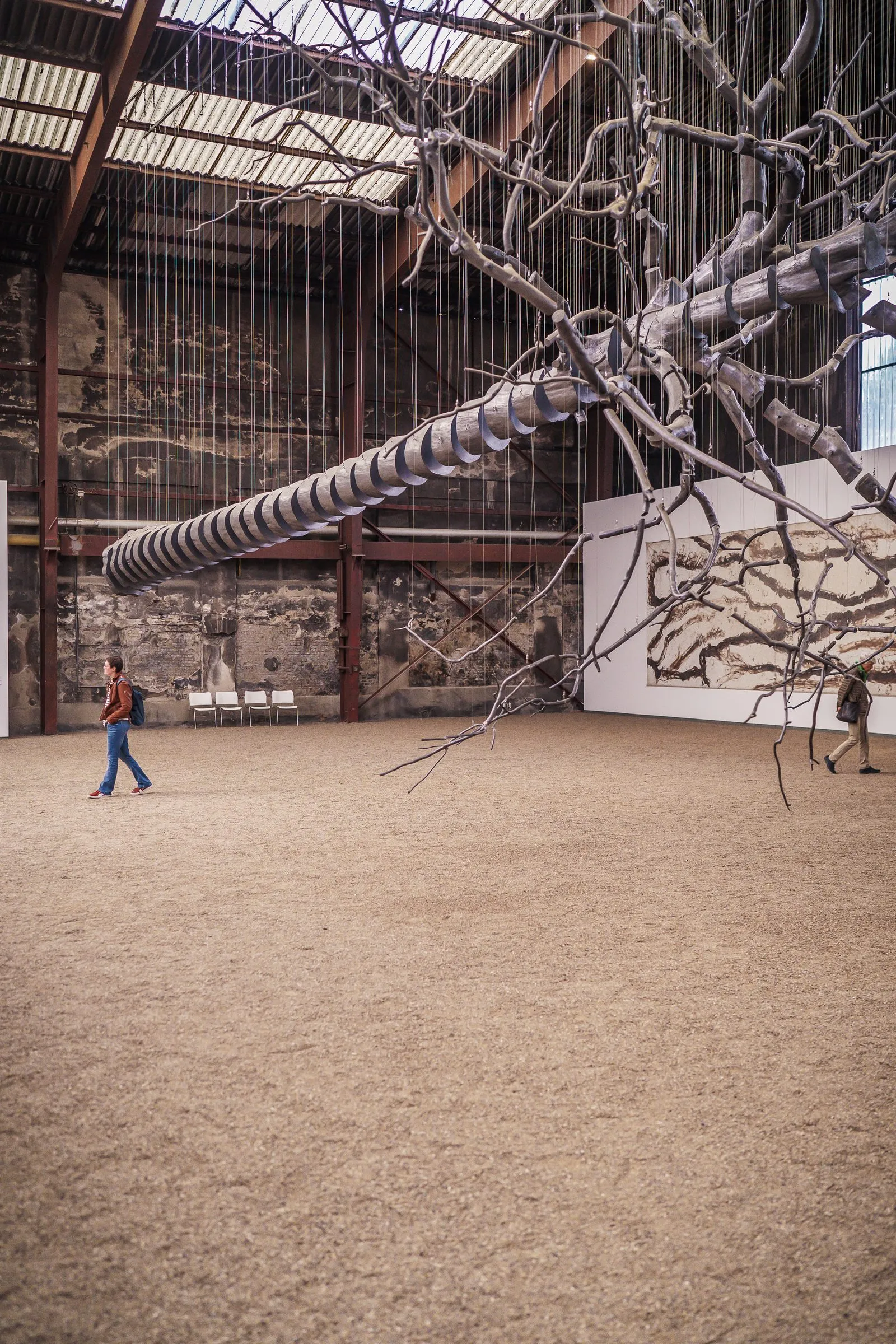
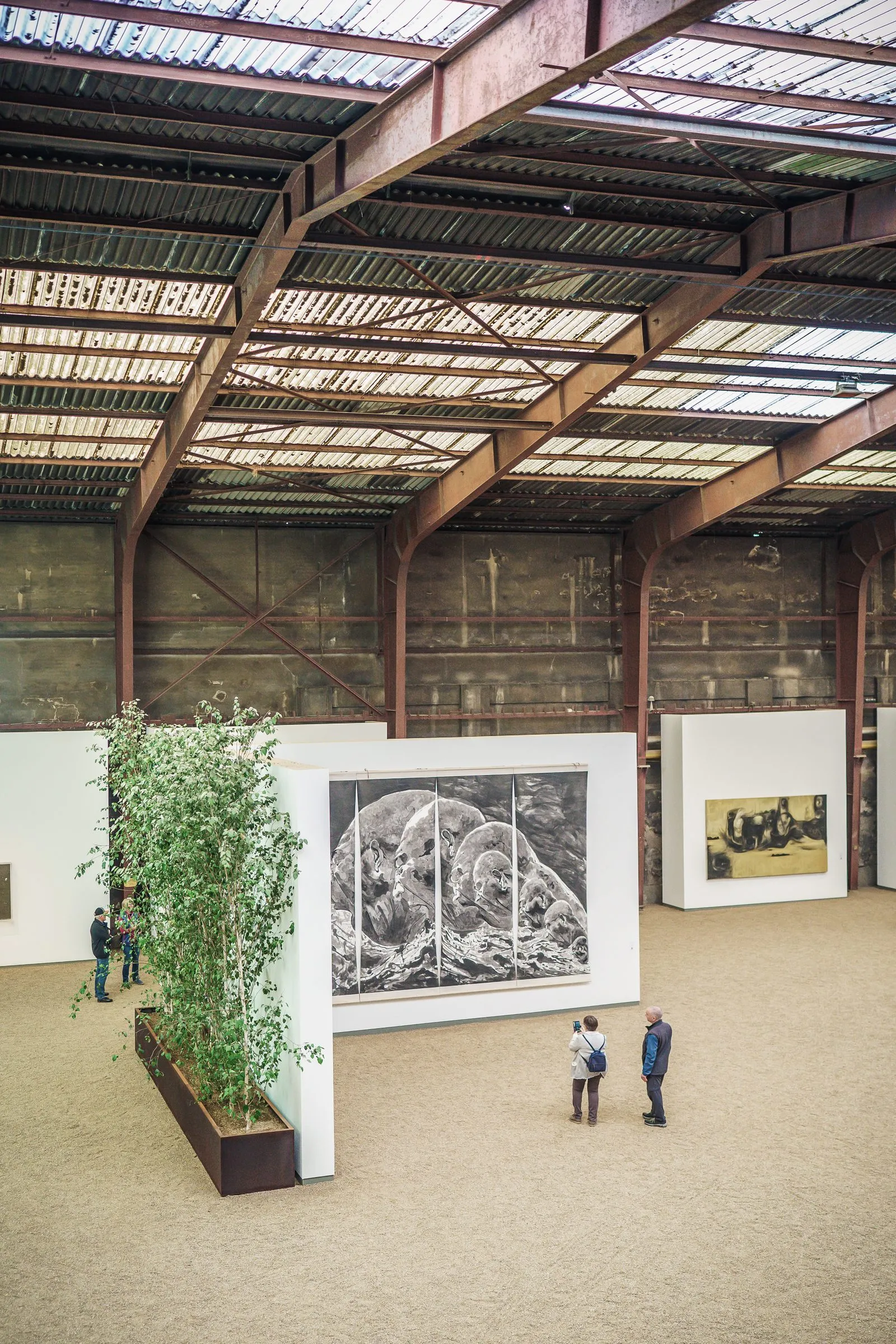
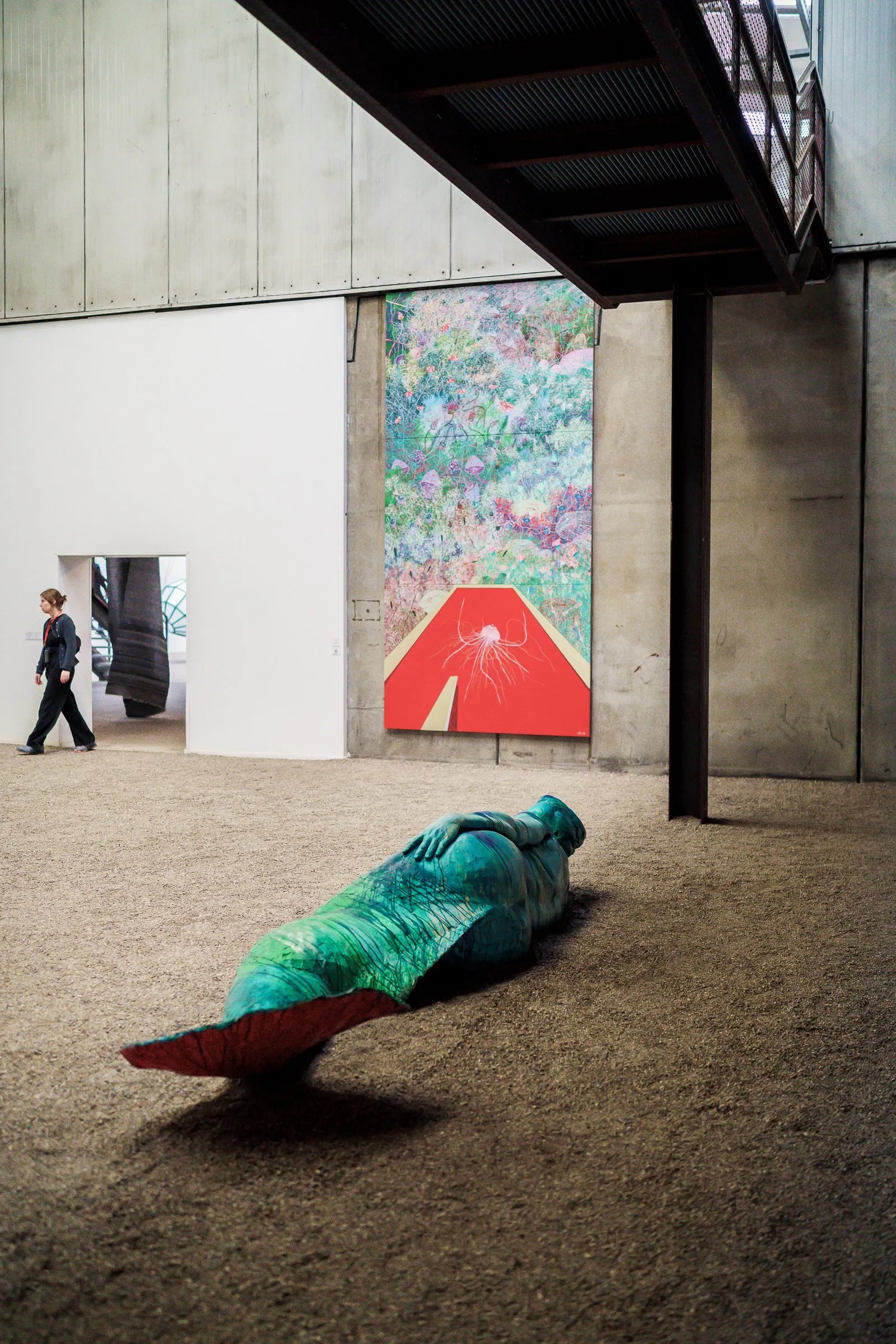
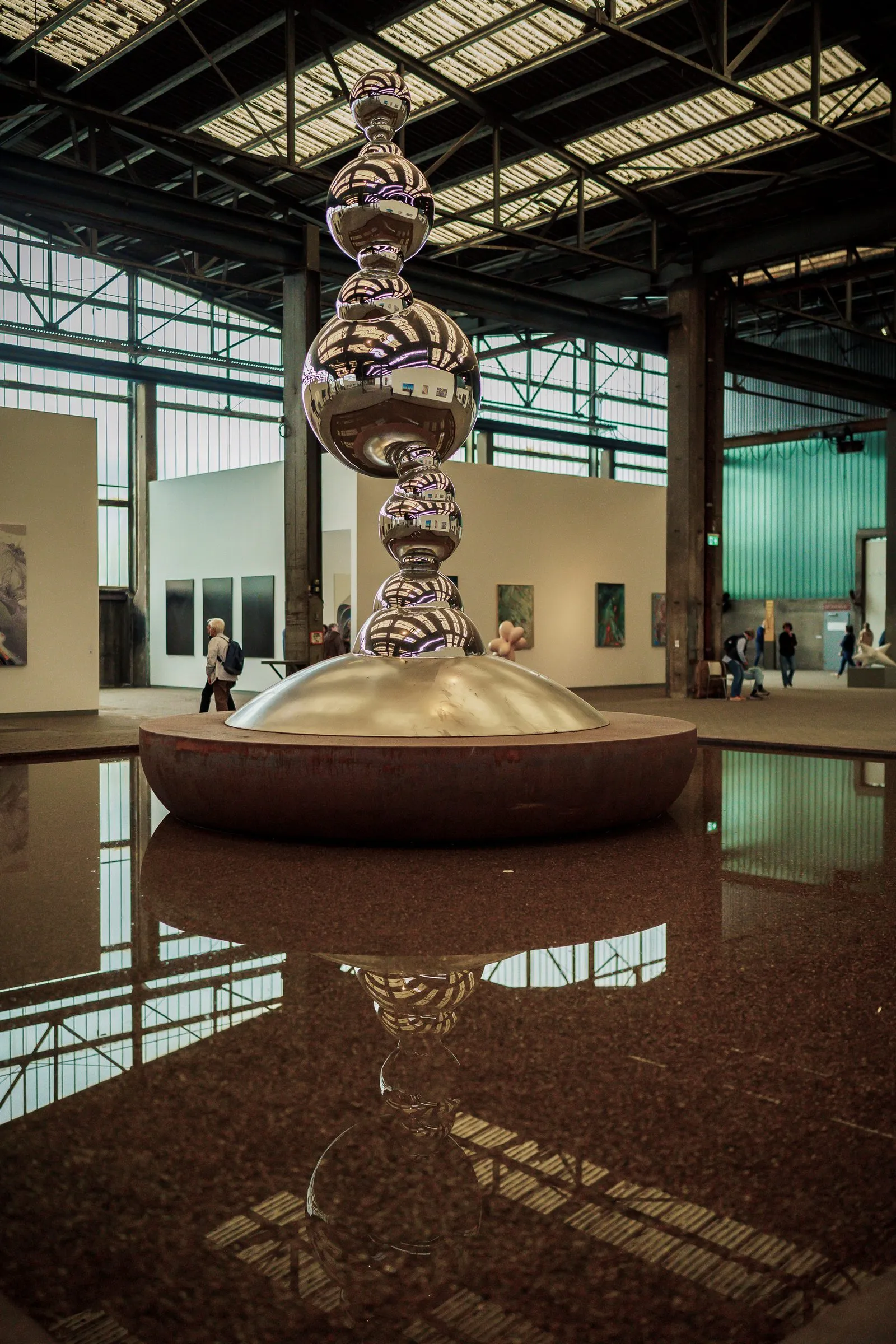
Since 2000 there has also been the NordArt Symposium. Before the exhibition, artists live and work on the site for several weeks, and some of the works made there stay afterwards. That is how the park grows a little further every year. Ochirbold Ayurzana's large wire sculpture was made at the symposium in 2015 and is now one of the permanent works. I come back to it in the next story, it is one of my four favourites.
Since 2010 Hans-Julius and Johanna Ahlmann have also awarded the NordArt Prize, endowed with 10,000 euros. On top of that there are three audience awards, voted on by the visitors. Among the winners of recent years are David Černý, Michal Gabriel, Ochirbold Ayurzana, Xiang Jing and Ekaterina Zacharova. Whoever wins is invited back to the next NordArt, which I think is a lovely kind of prize: you don't just receive something, you also get to come back.
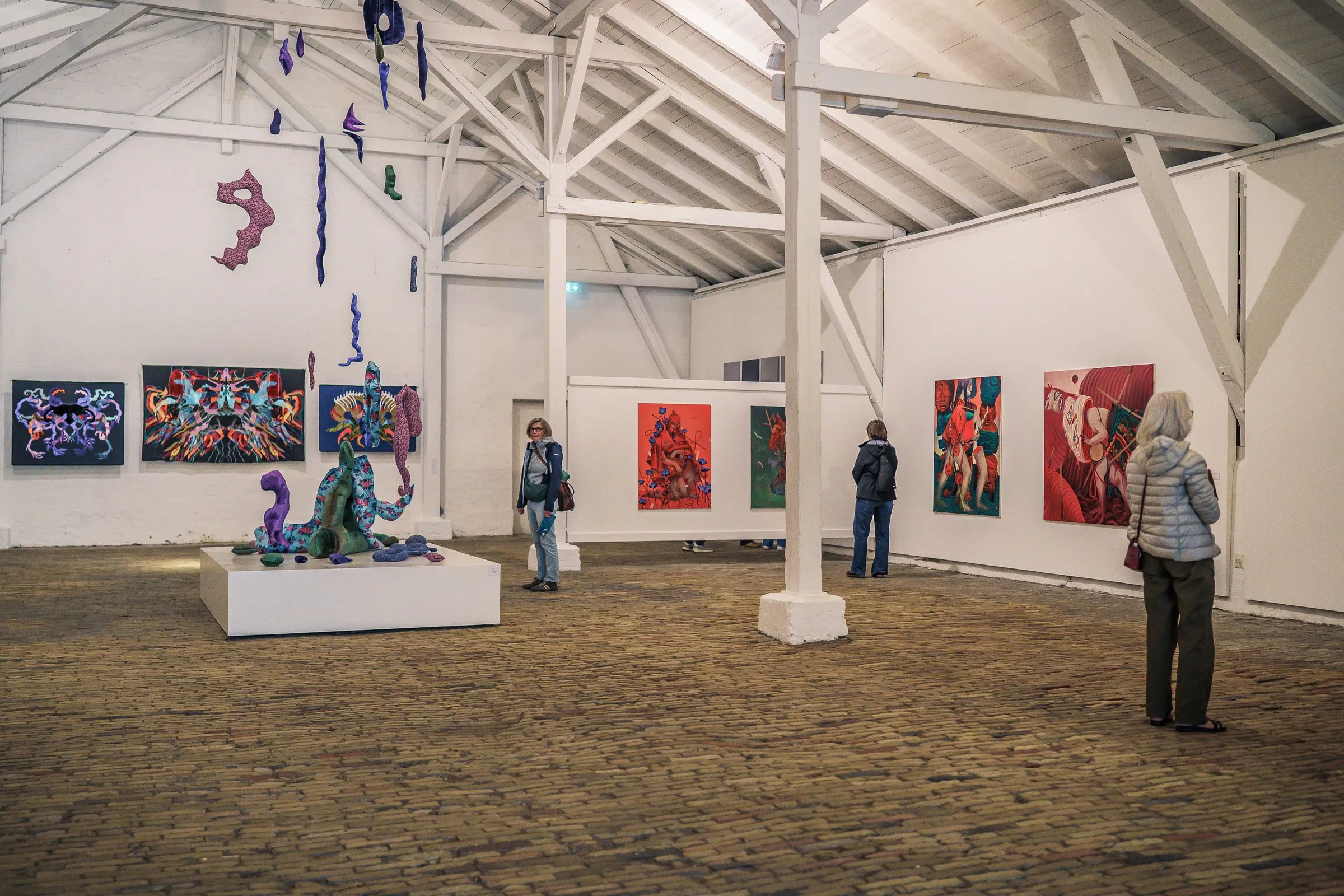
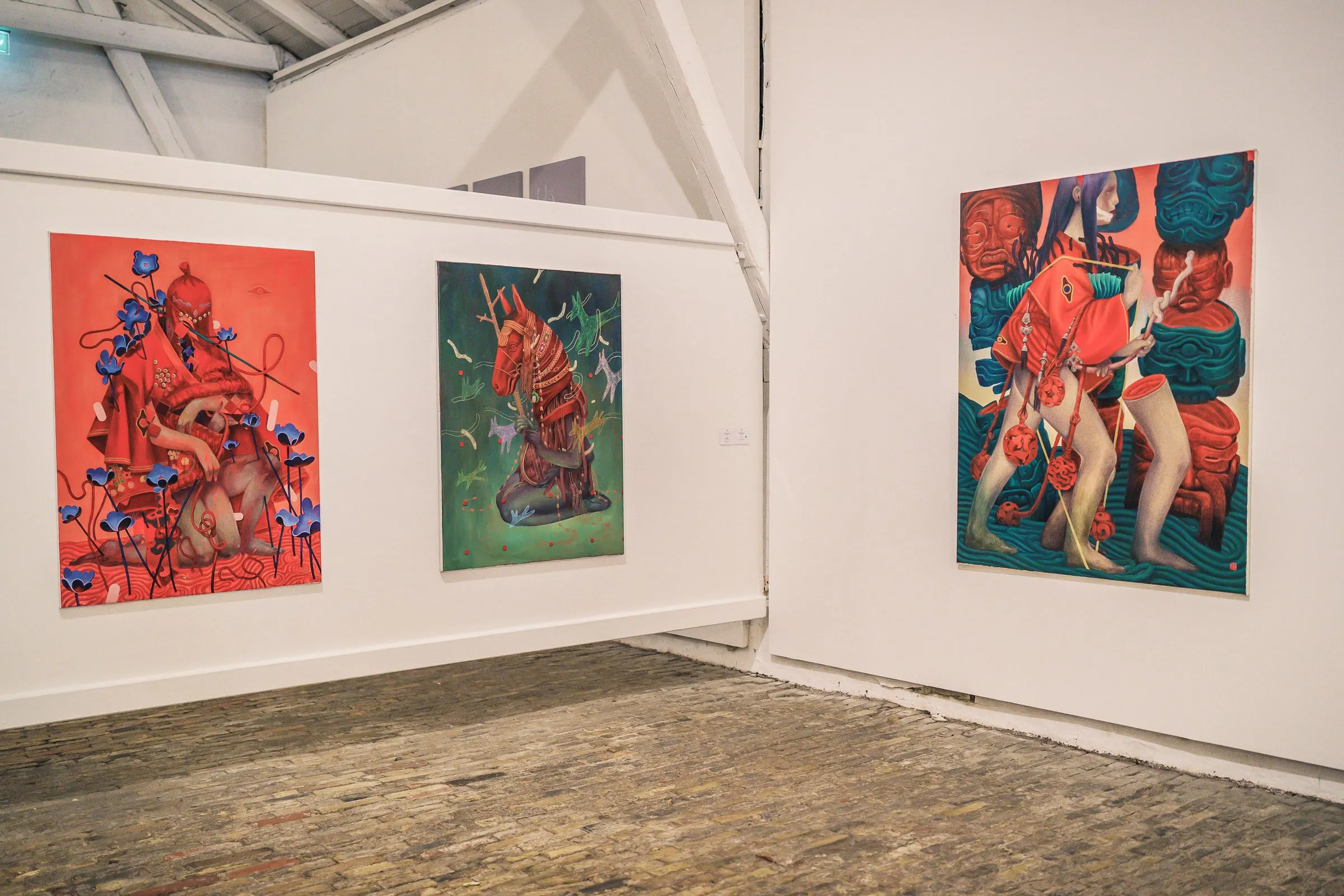
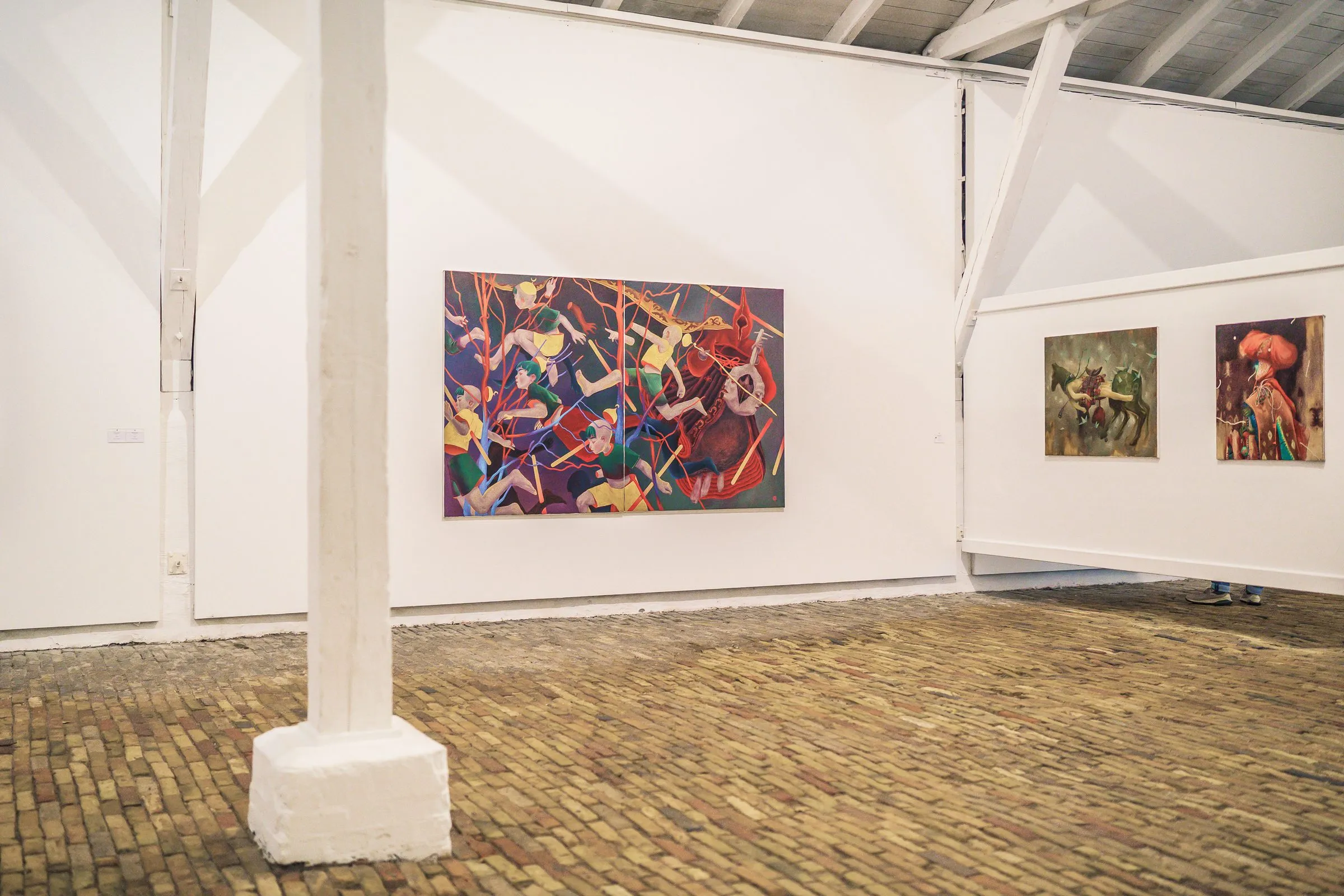
NordArt 2026 runs from June 6 to October 4 at the Kunstwerk Carlshütte in Büdelsdorf near Rendsburg, Tuesday to Sunday from 11 am to 7 pm, including public holidays. It is the 27th edition since 1999. Anyone who can't make it this year has the next chance next summer. What moved me most personally on that day is in the next story.