Four That Stayed
Many of the works at NordArt can be seen beforehand as reproductions, in the catalogue, on the website, in the feed. That is practical, and still I keep going back. A reproduction shows me what is in a picture. In front of the original I notice what it does to me, and surprisingly often that is something else. Size, for example, can only be claimed on a screen. In the hall you have to step back, lift your head, move a few steps to the side, and sometimes you simply sit down.
That is exactly what I find inspiring every time: really experiencing the many works, in the same room, with my own body as the scale. Especially as a photographer who is constantly making pictures for screens myself, that does me good. Of the around 200 positions this year, four stayed with me in particular, and this story is about them.
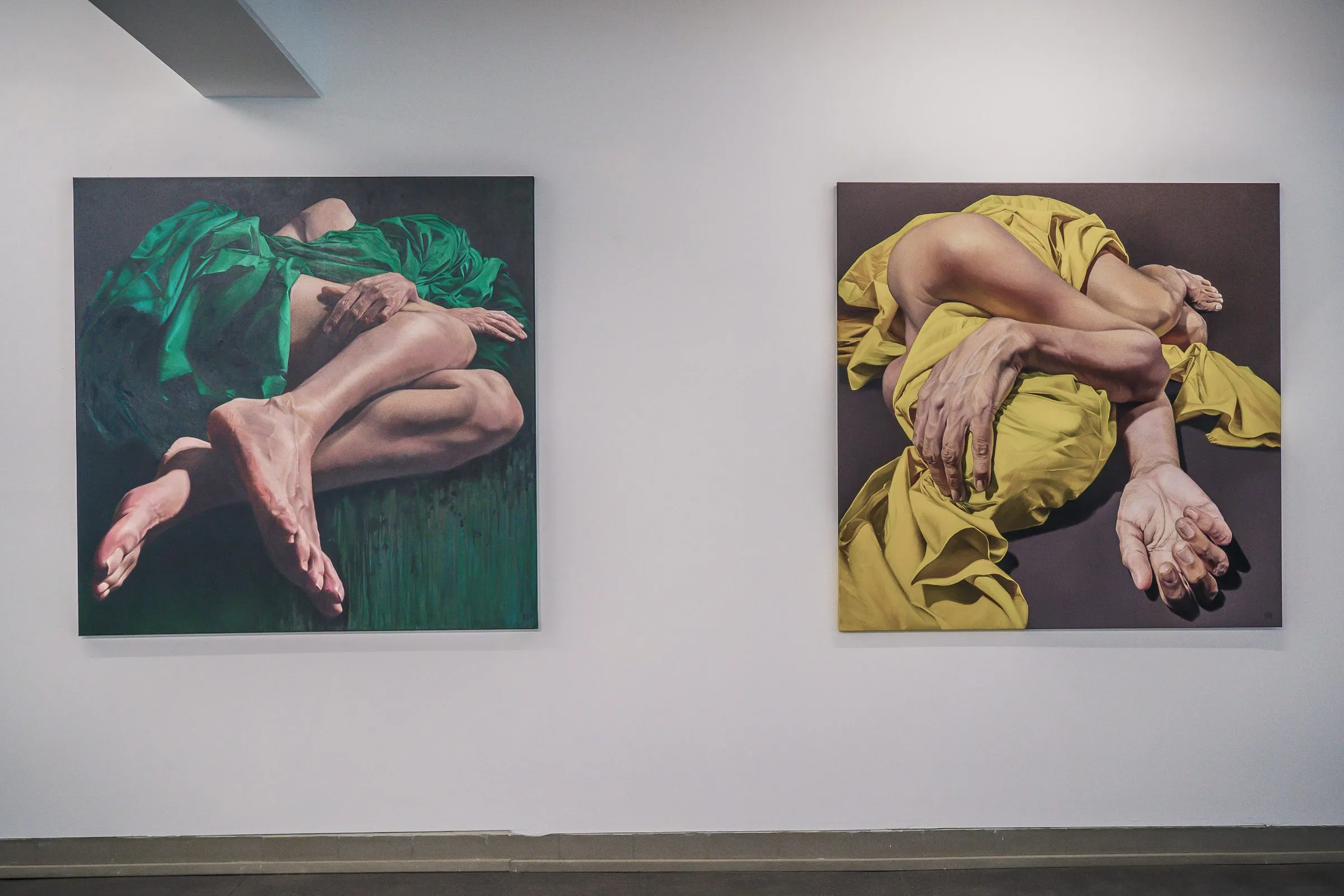
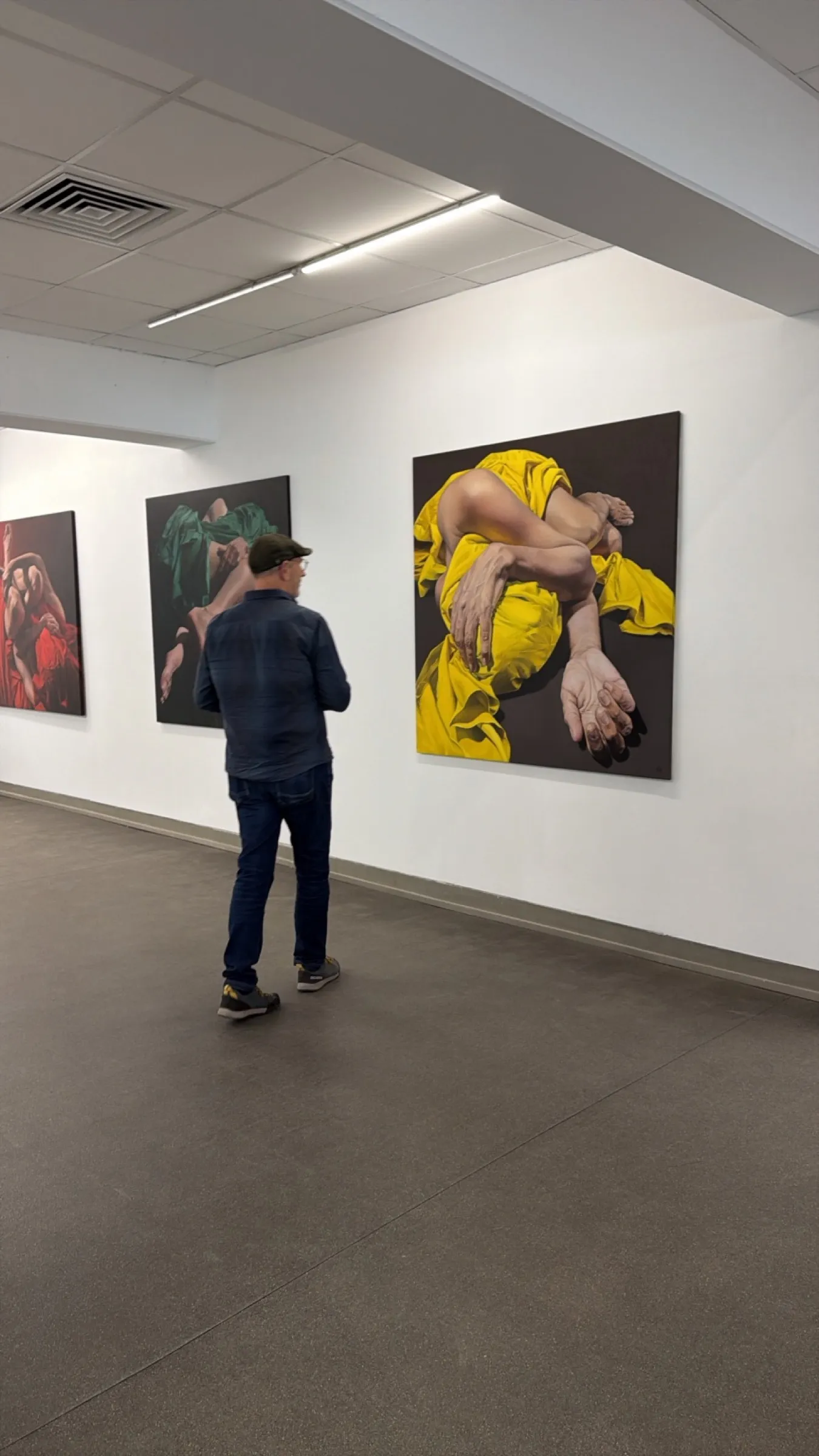
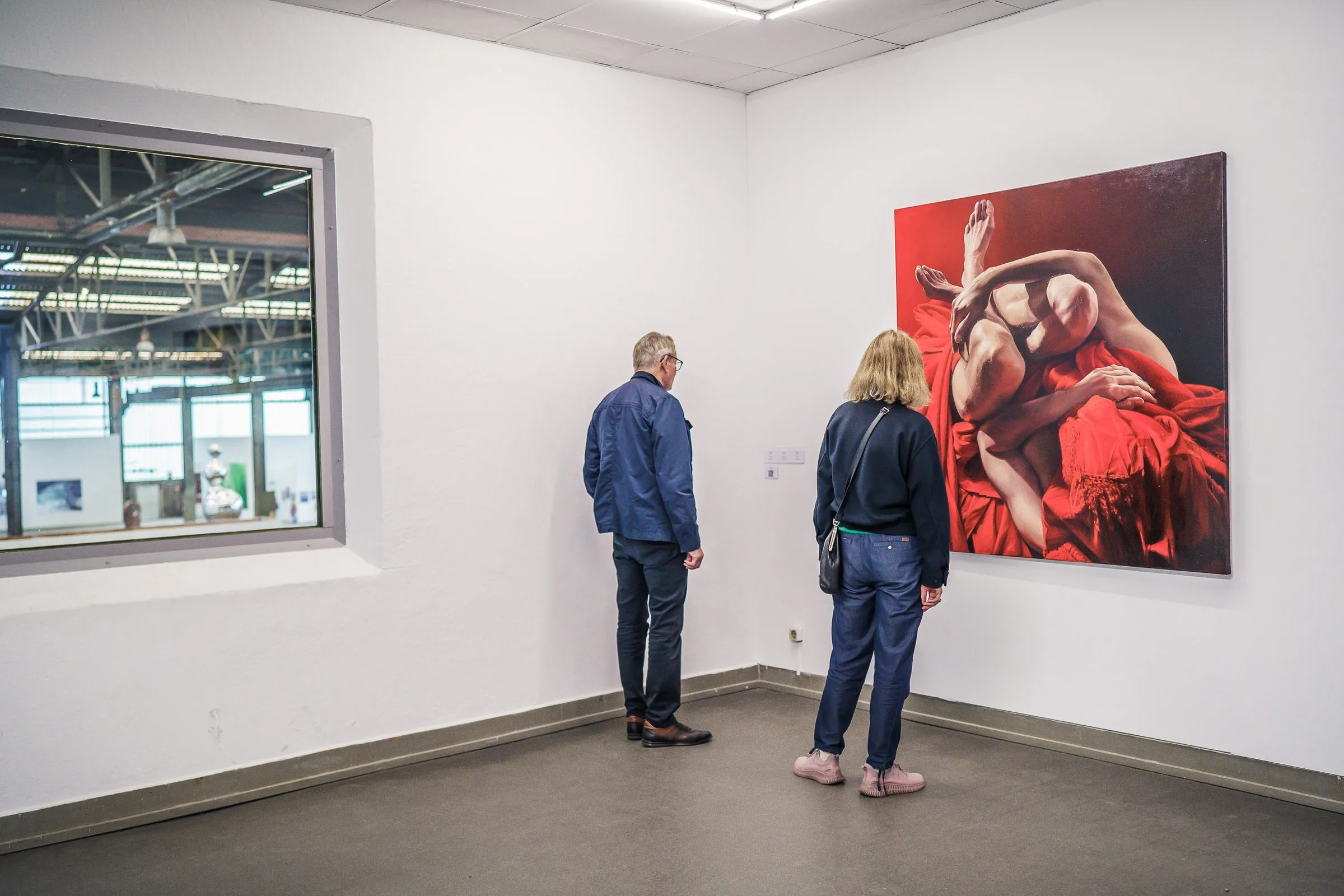
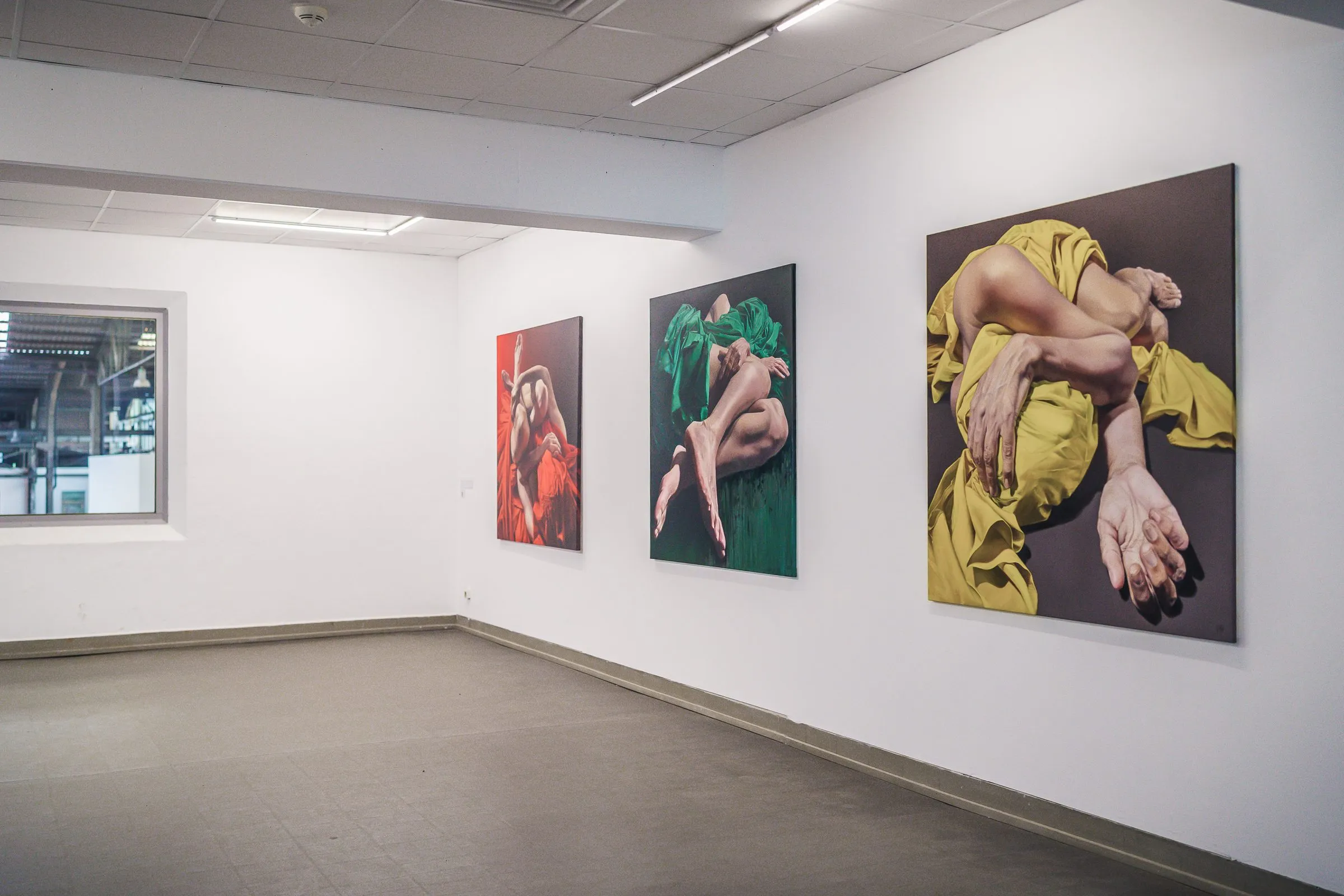
Bego Riba comes from Burgos and has lived in Palma de Mallorca since 2003. At NordArt there are oil paintings from her current body of work, among them “Incubatio” from 2025, 150 by 150 centimetres. They show bodies lying into each other, wrapped in fabric in red, green and yellow. Hands, feet and folds are painted so precisely that you almost want to touch the fabric. Only a face you look for in vain, there is not one in any of the pictures.
That is exactly what holds you in front of these pictures. Because no one looks back, it stays open who these people are and what is happening between them, whether it is closeness, protection or confinement. You give yourself the answer in front of the picture, and it probably turns out a little differently for everyone. In one of the photos I am standing in front of them myself, still looking.
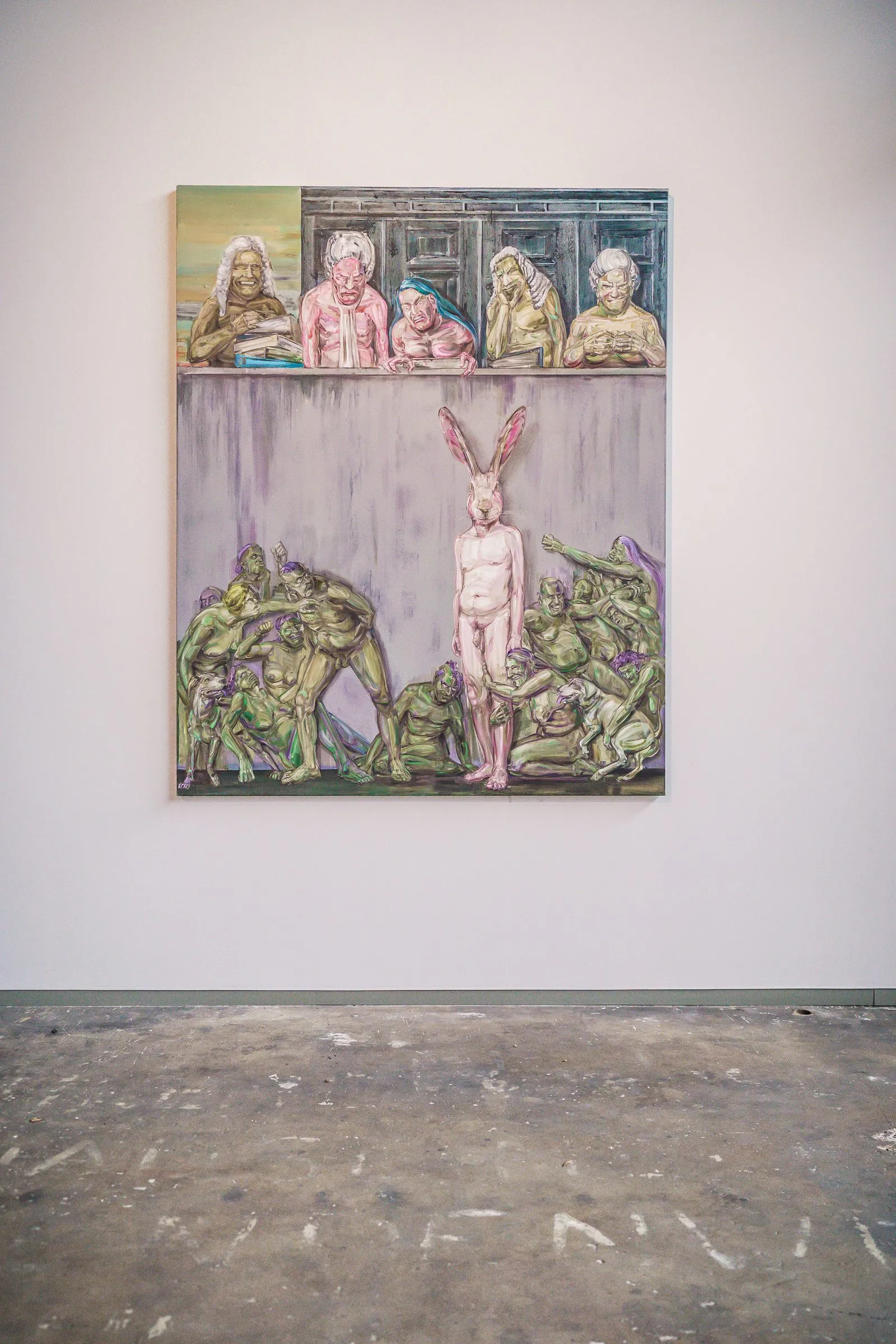
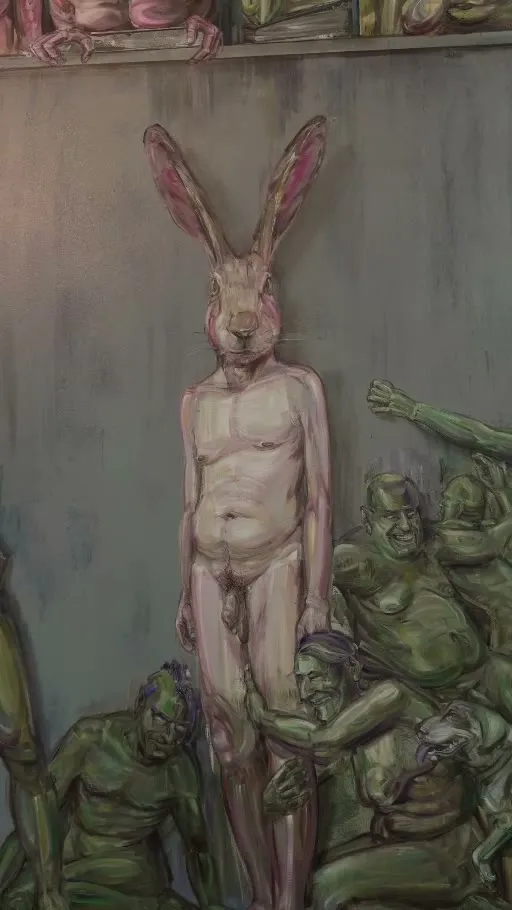
Undine Bandelin was born in Jena in 1980 and lives in Leipzig. Her triptych “Das Tribunal” (The Tribunal) was made in 2026, three panels in oil and acrylic, each 2.60 metres high. On one of them stands a naked figure with a hare's head, green figures crowd around it, and above it runs a gallery of heads, as if an audience or a court were sitting there, it is hard to say which.
The picture is colourful, painted almost cheerfully, and yet anything but cosy. You don't quite know whether you are allowed to laugh at this scene or whether you are being tried along with it. I like that indecision. I shot a short video in front of it, you'll find it further down.
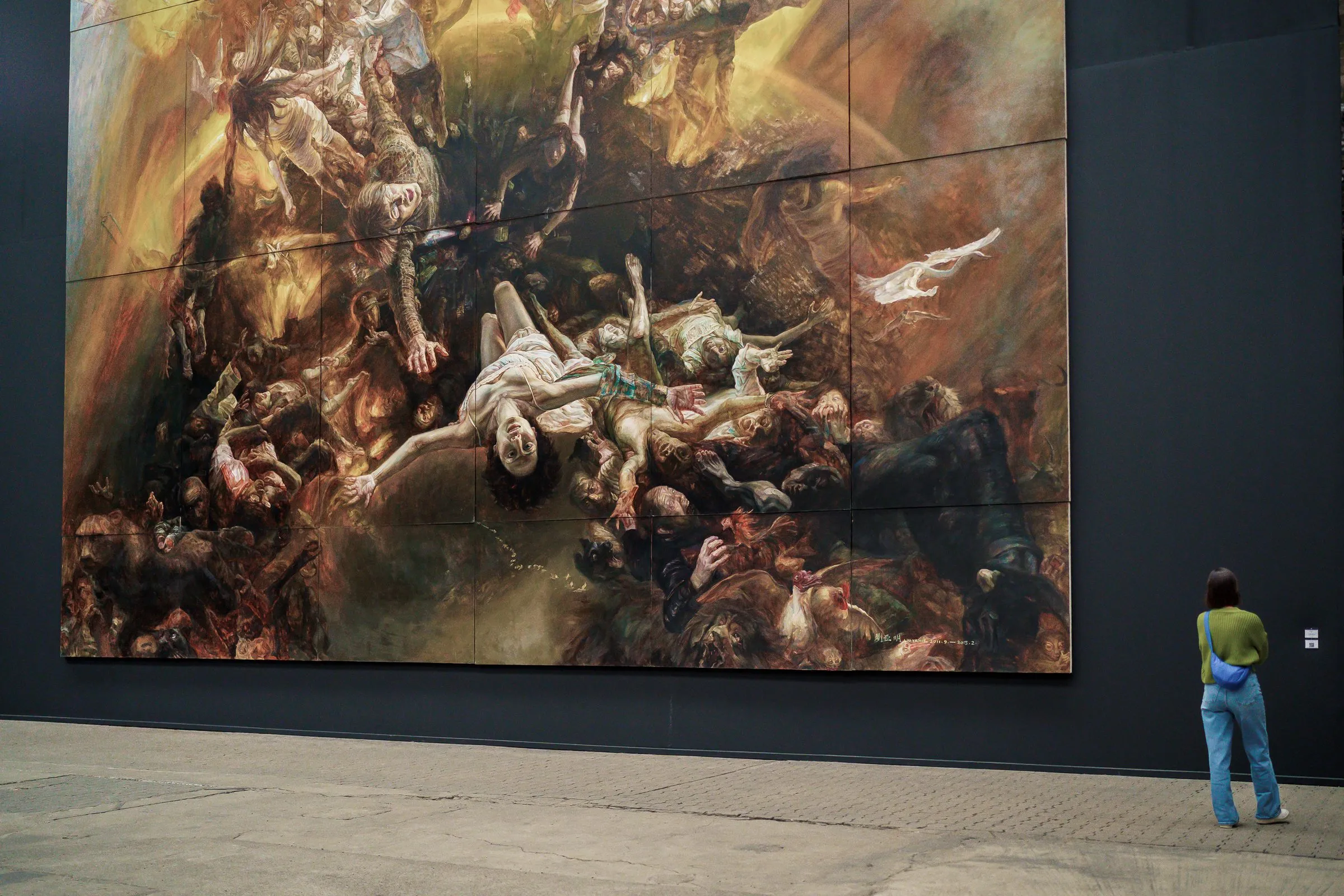
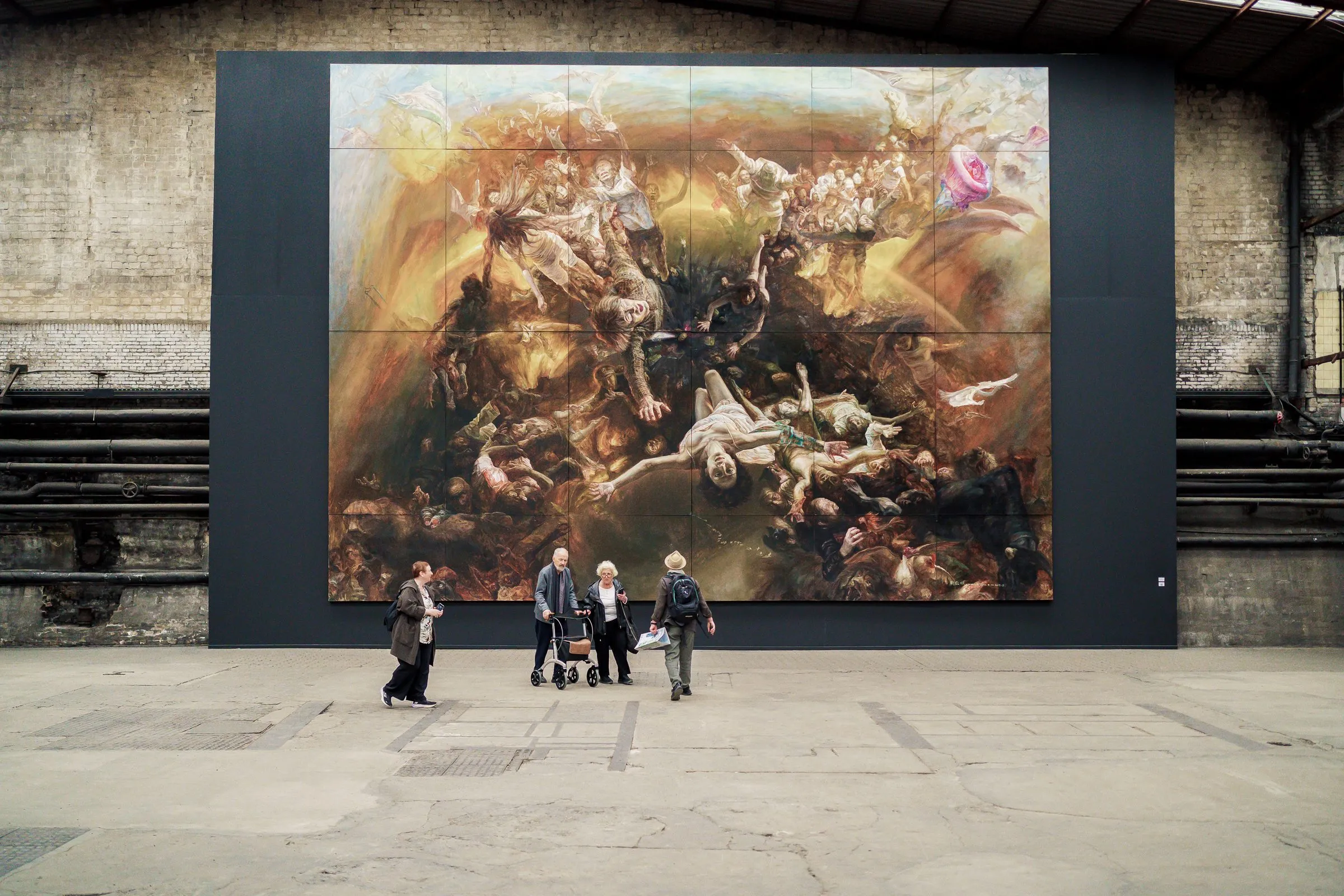
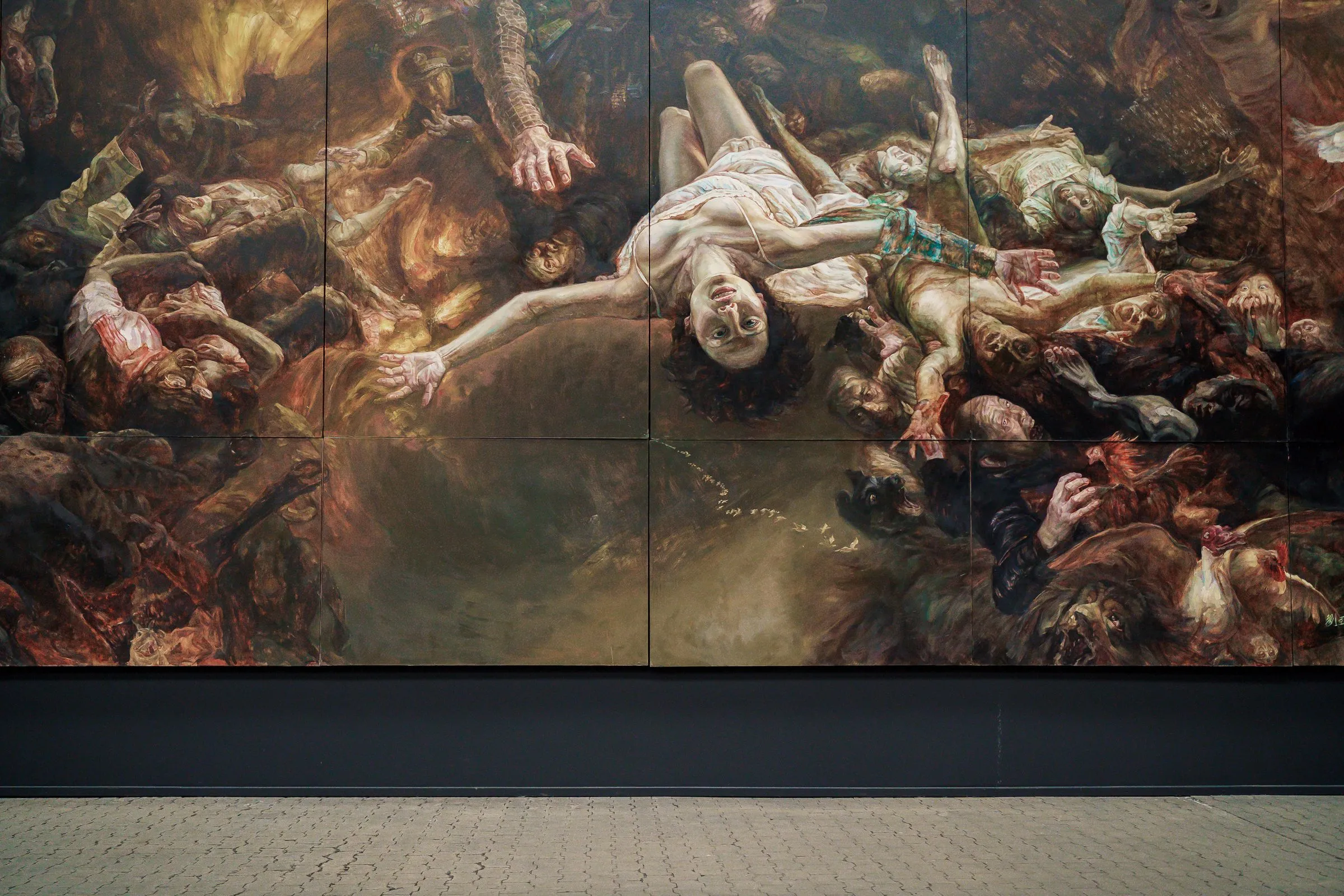
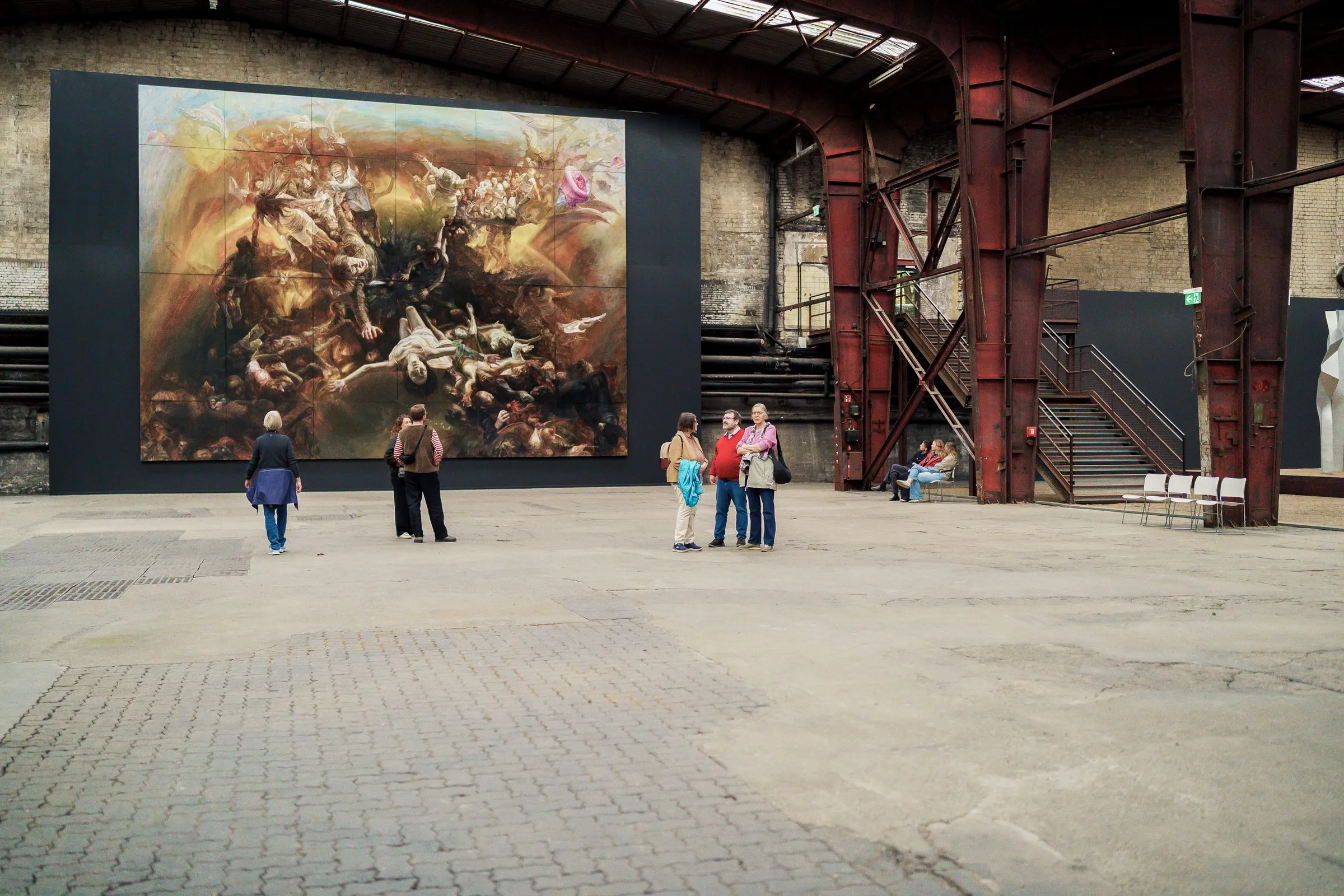
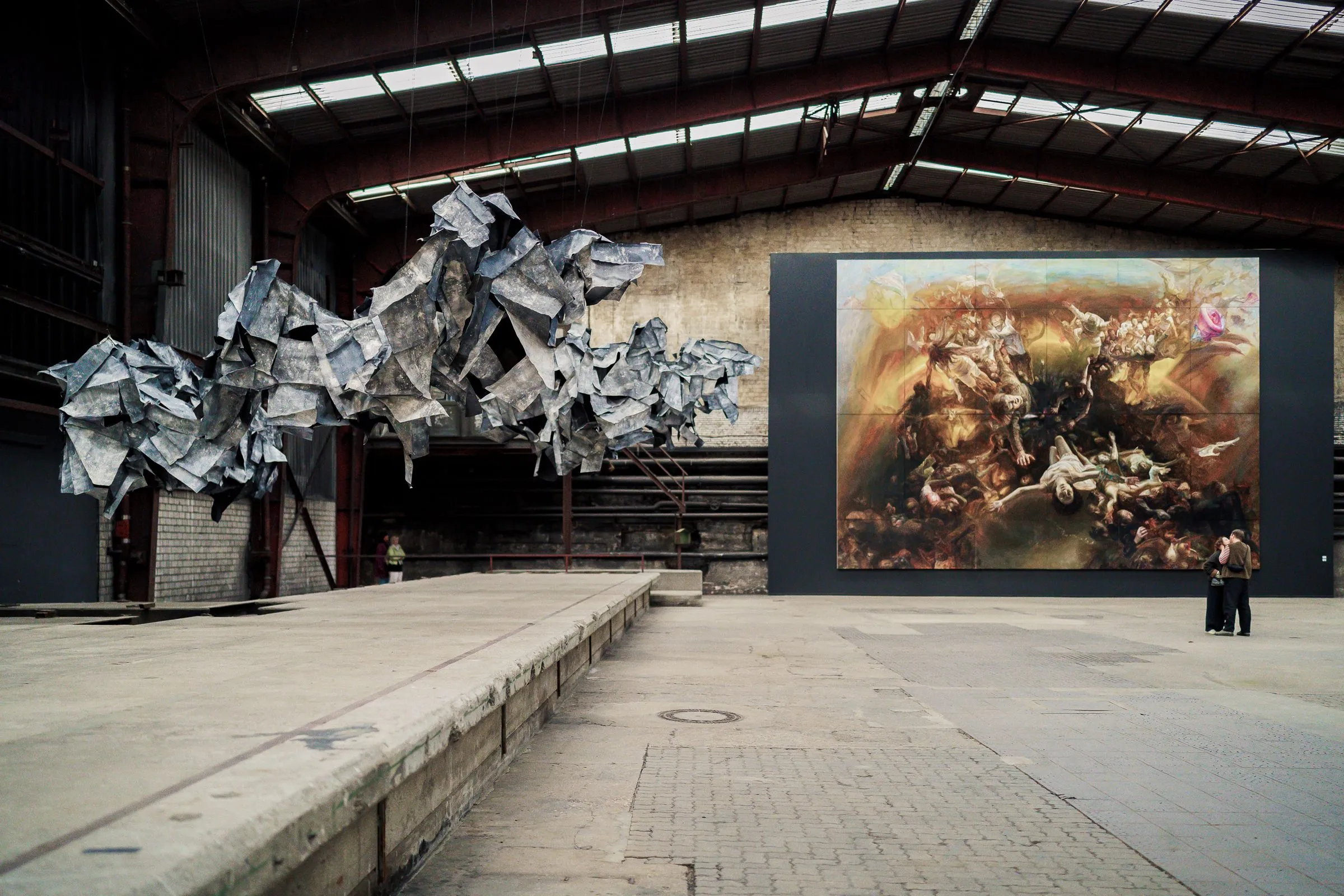
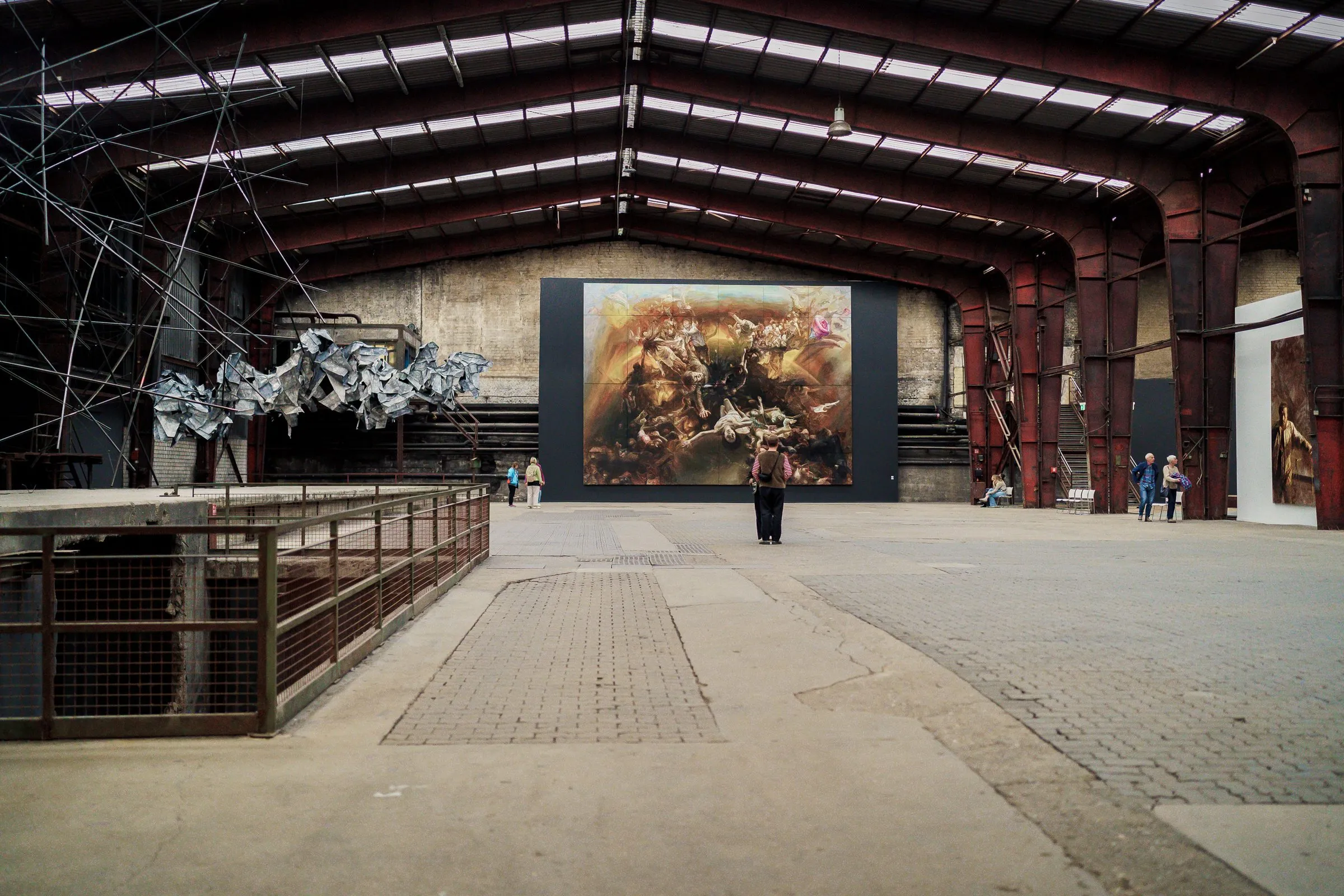
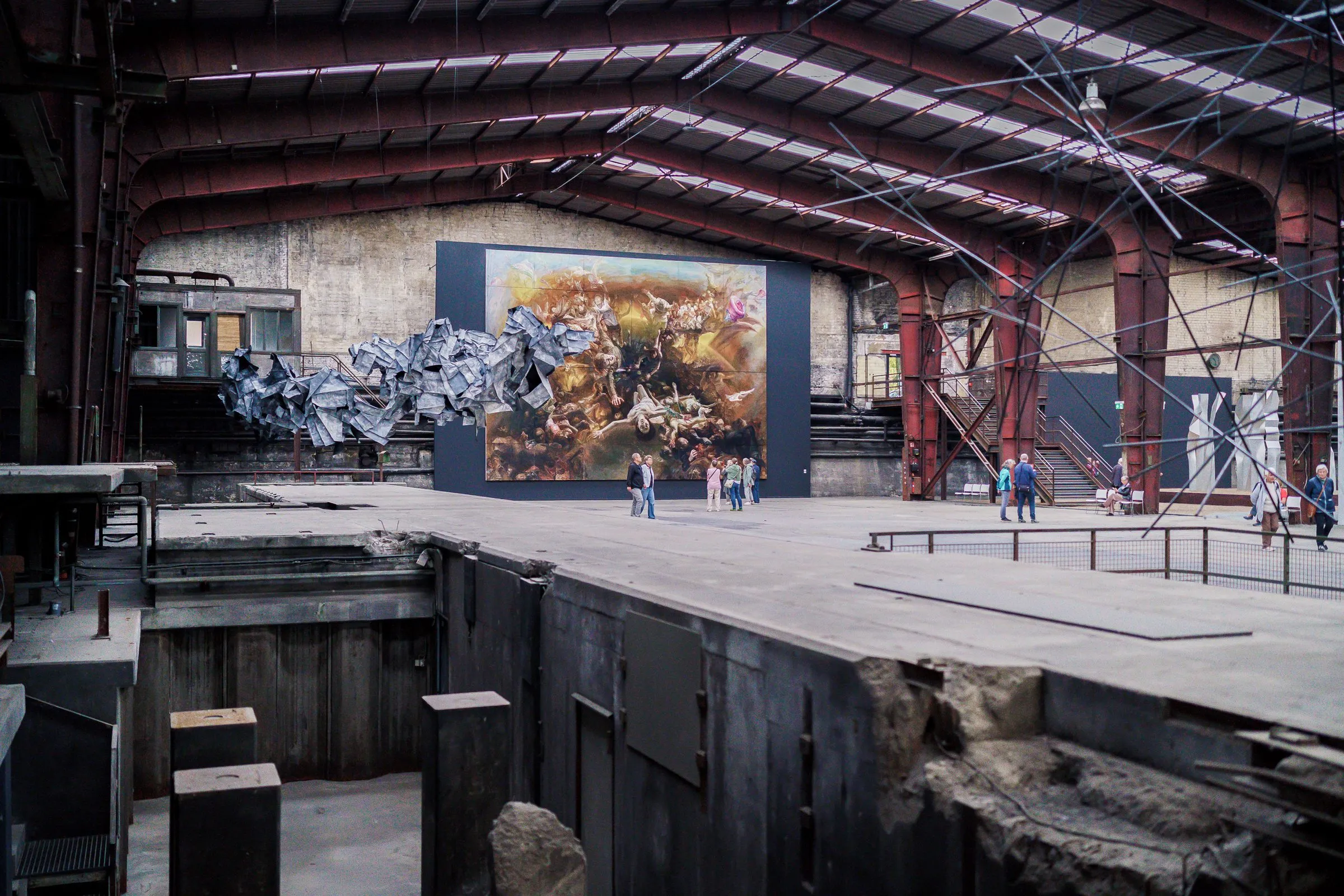
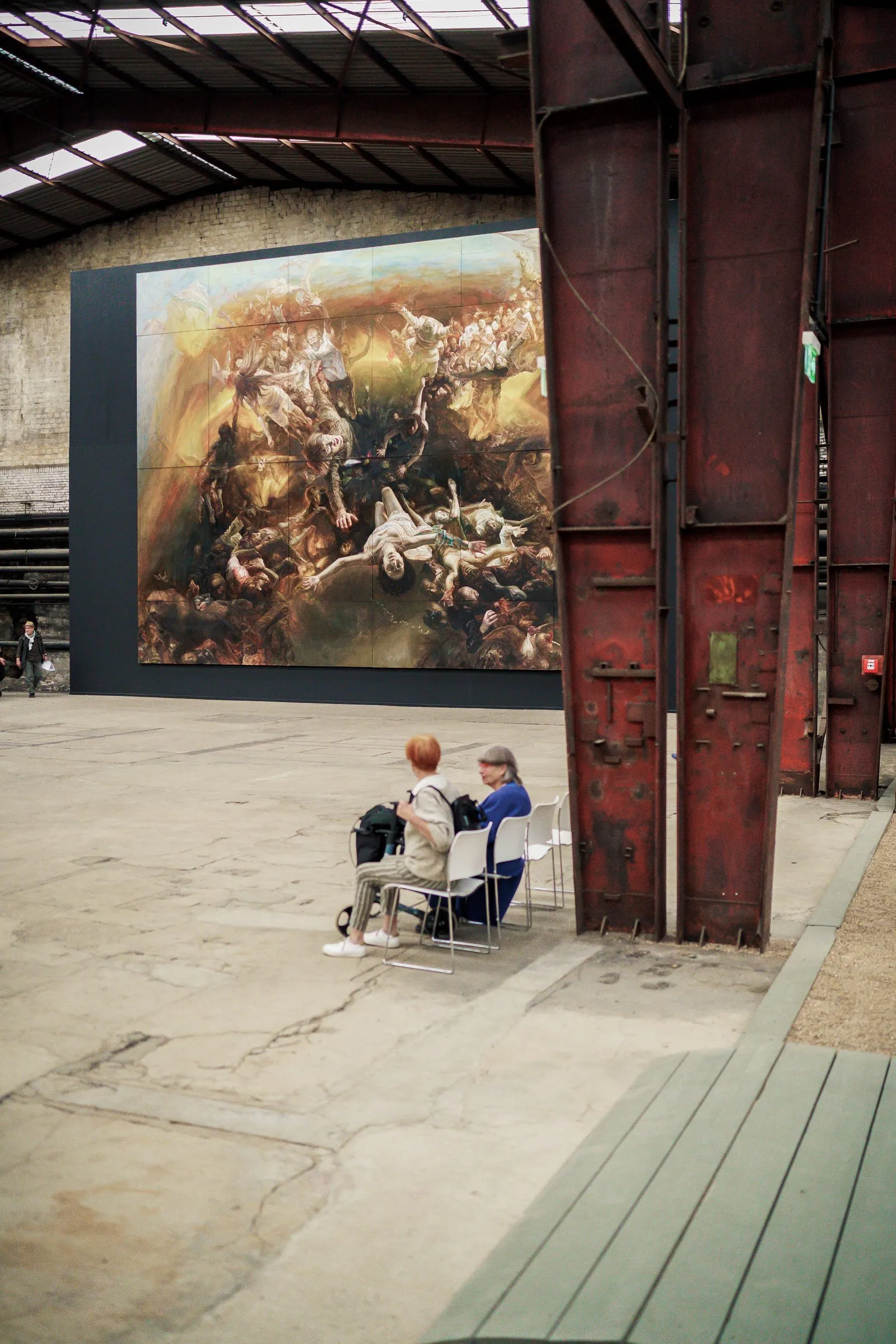
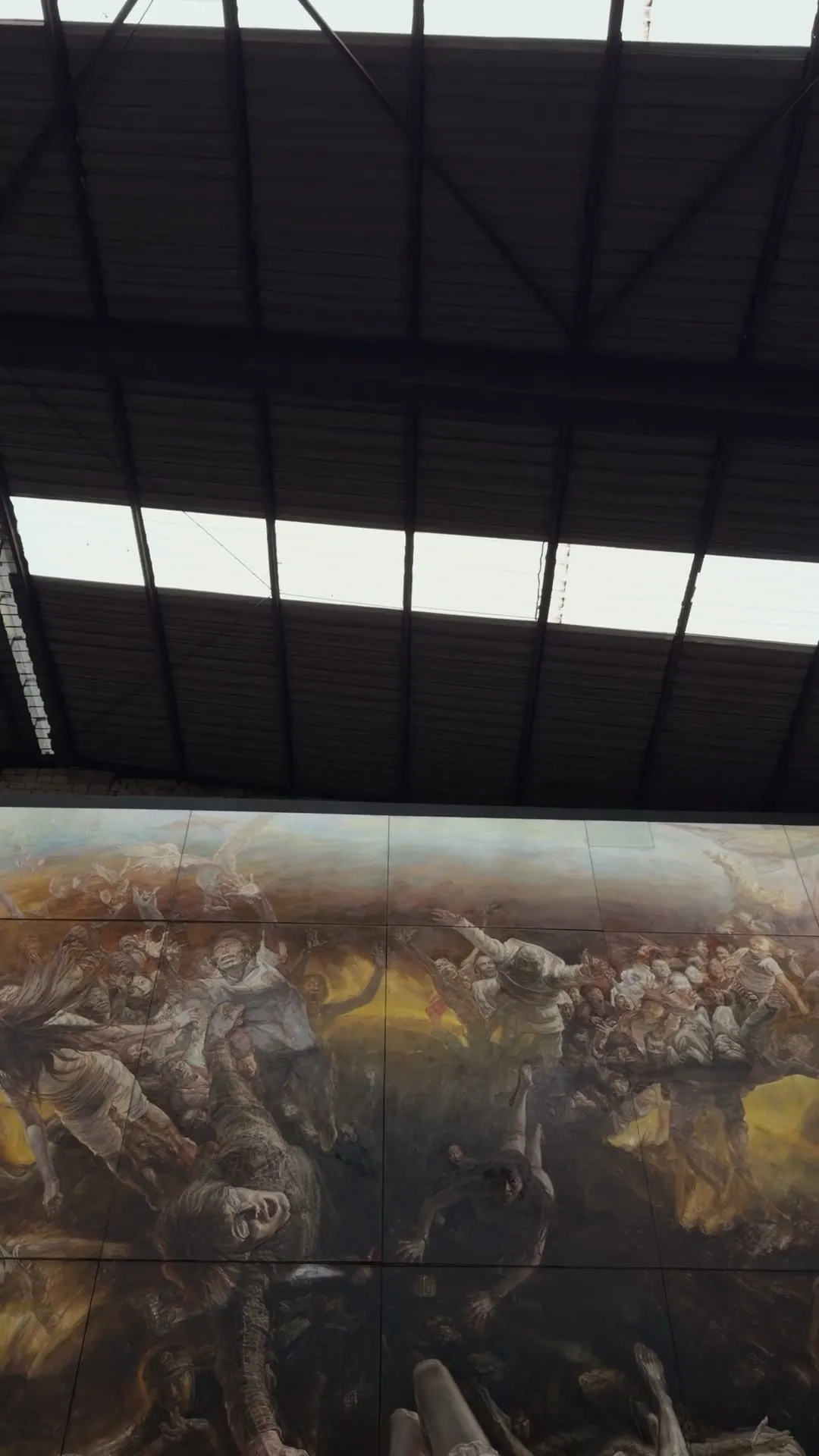
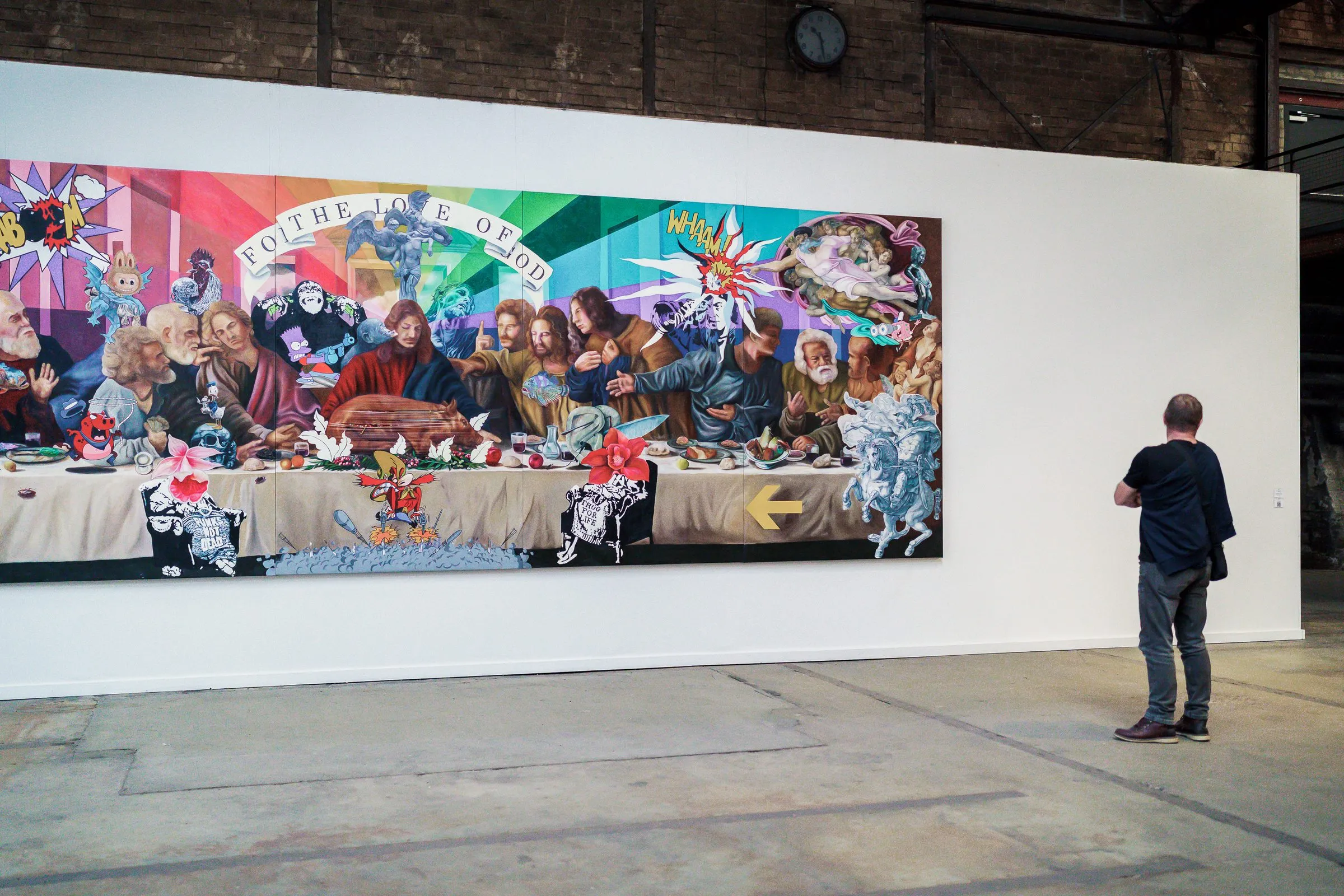
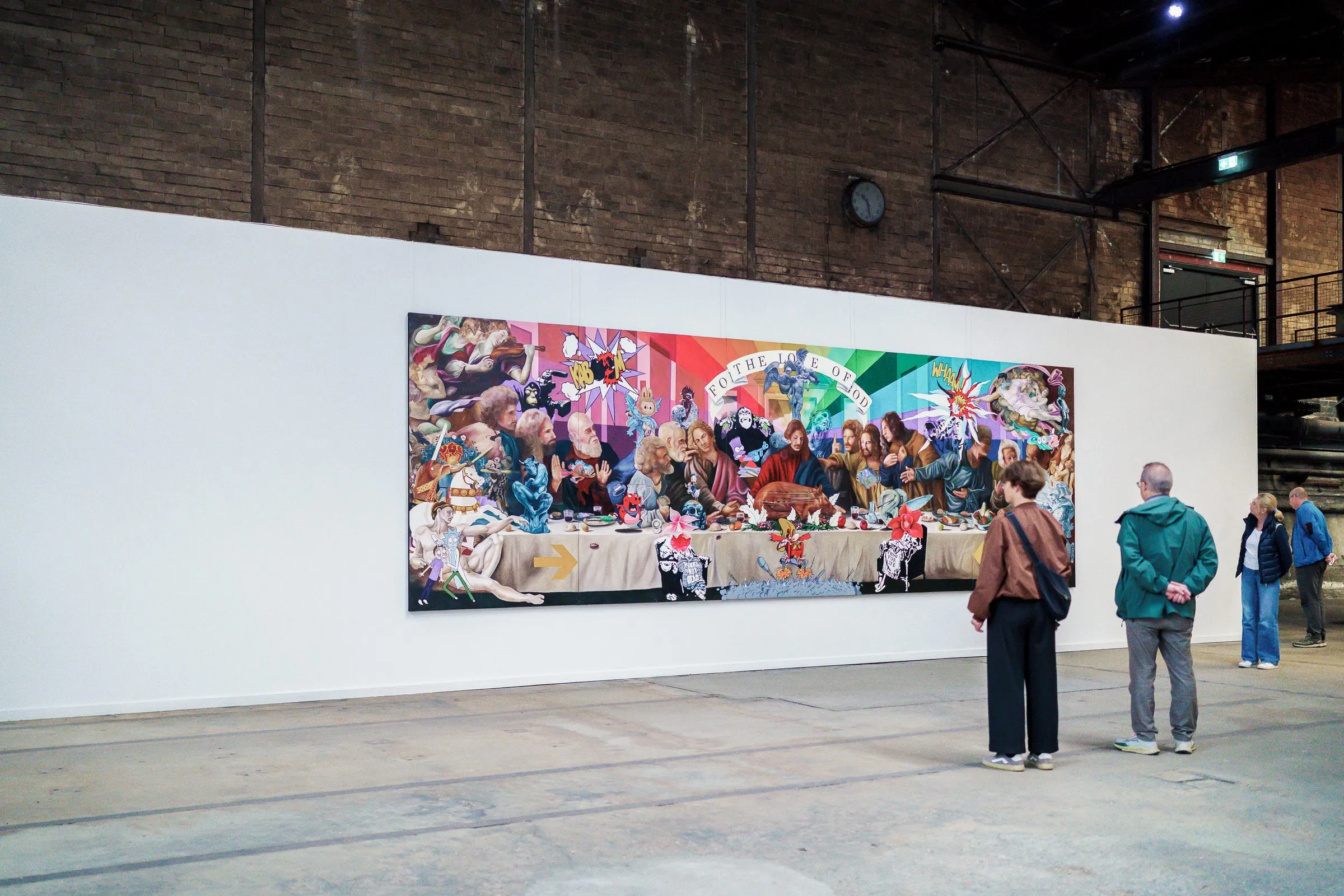
Liu Yaming, born in China in 1962, painted “Eye in the Sky” between 2011 and 2015. Oil on canvas, nine by twelve metres. It hangs in the Chinese special project “Landscape of Thought” on the end wall of one of the big halls, and it is so large that the hall around it suddenly seems smaller than it is.
From a distance you see a whirl of light and dark. Only as you come closer does it turn into bodies, countless ones, falling, holding on to each other, spreading their arms. I stayed in front of it for a long time and photographed it from every corner of the hall, close up, from afar, across the old casting pit. In one of the photos a visitor stands at the lower right edge and barely reaches the bottom of the canvas. That is roughly the proportion.
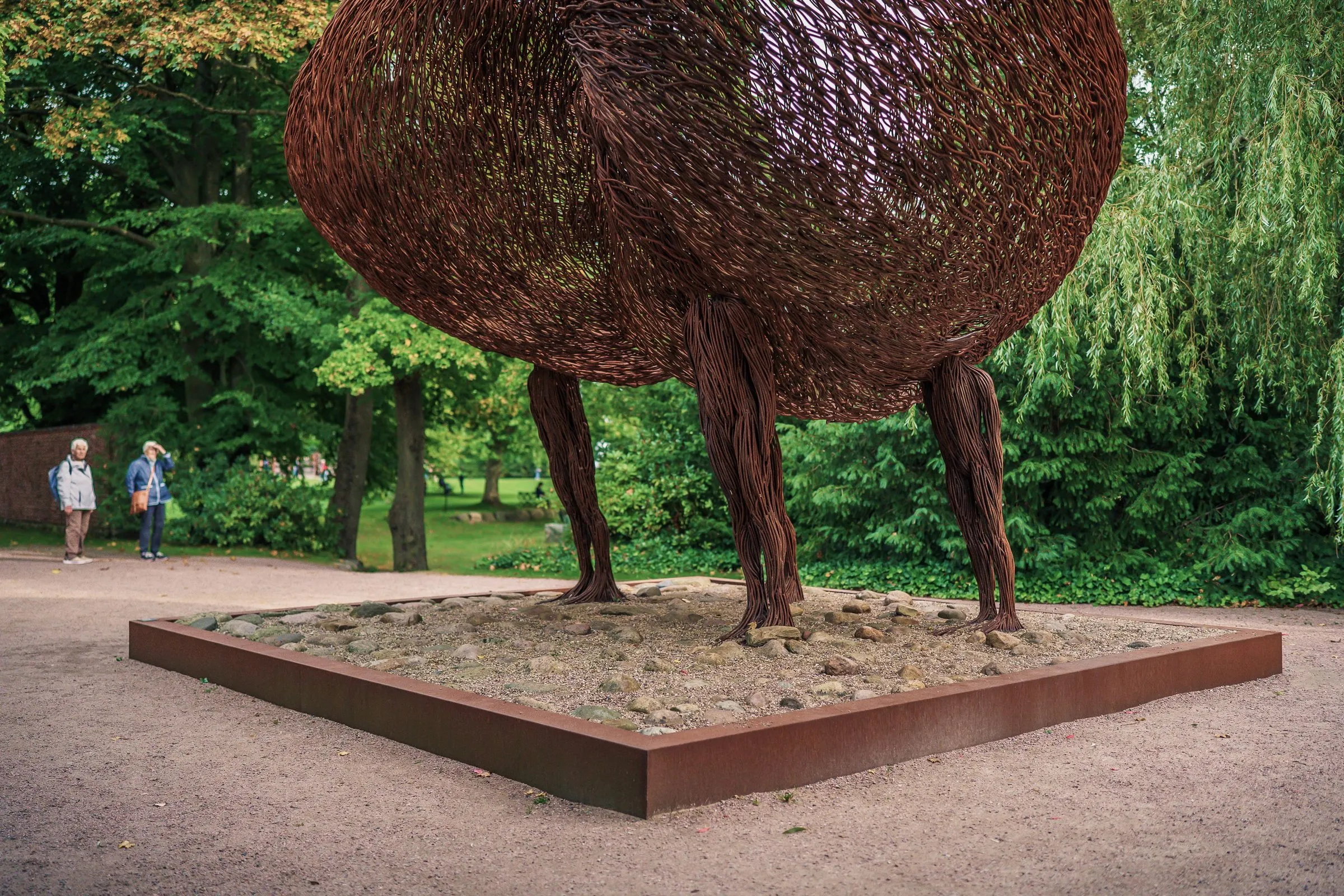
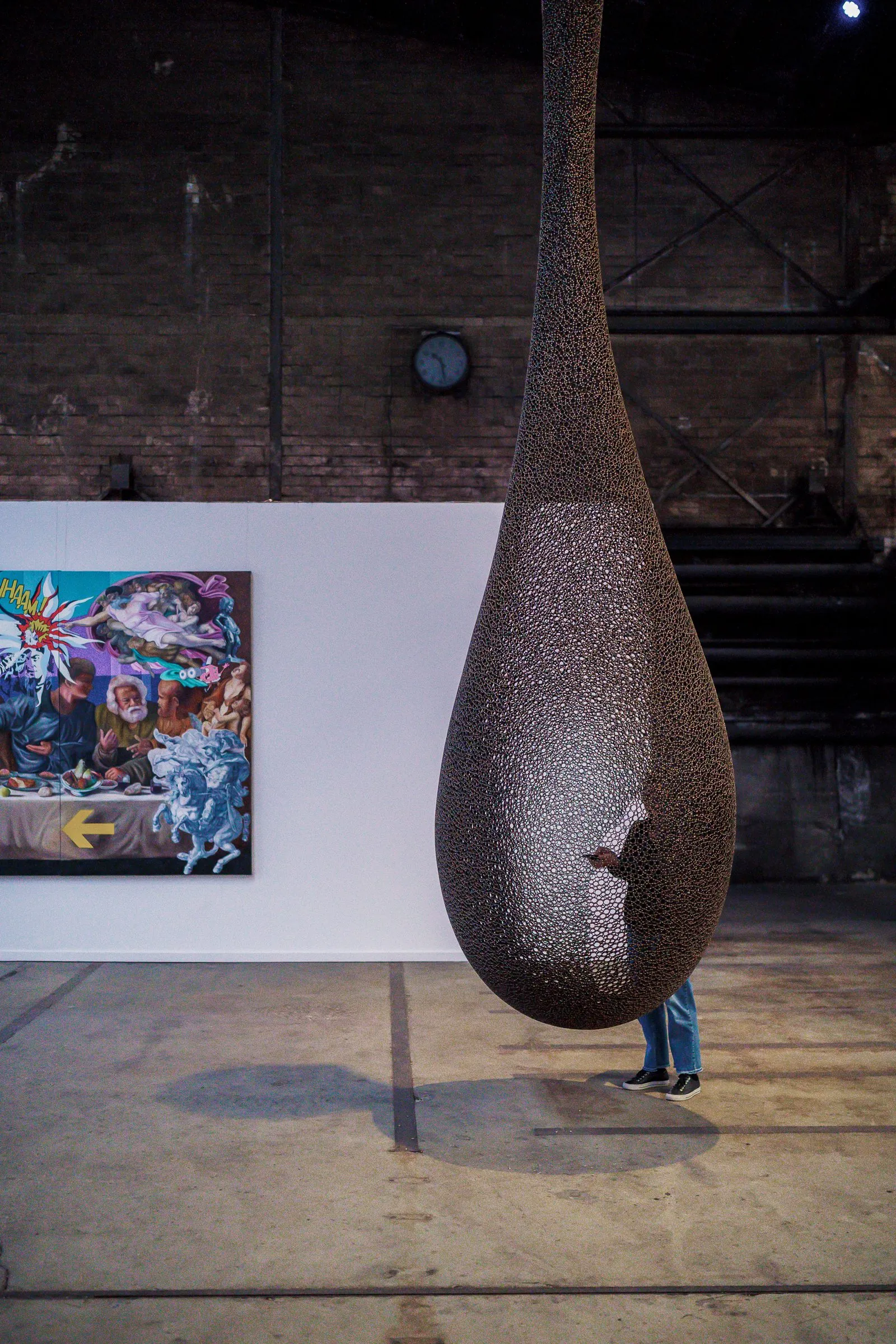
The fourth work stands outside in the park. It was made at the symposium in 2015 and is now one of the permanent works. Ochirbold Ayurzana, born in Mongolia in 1976, built “Der Mensch ist kein Überfluss der Erde” (Man Is Not an Abundance of the Earth) out of steel wire, 450 × 350 × 500 centimetres in size. An oval, rust-brown body on four thin legs, heavy like a large animal and at the same time open like a net through which you can see the sky and the trees.
Ochirbold received the NordArt Prize in 2019 and represented Mongolia at the Venice Biennale in 2024. What stays with me most is the title, which asks a question without needing a question mark: what place does the human being actually take if it doesn't constantly make itself the measure of all things? In front of this figure, which is there and at the same time not quite, the question seems less theoretical.
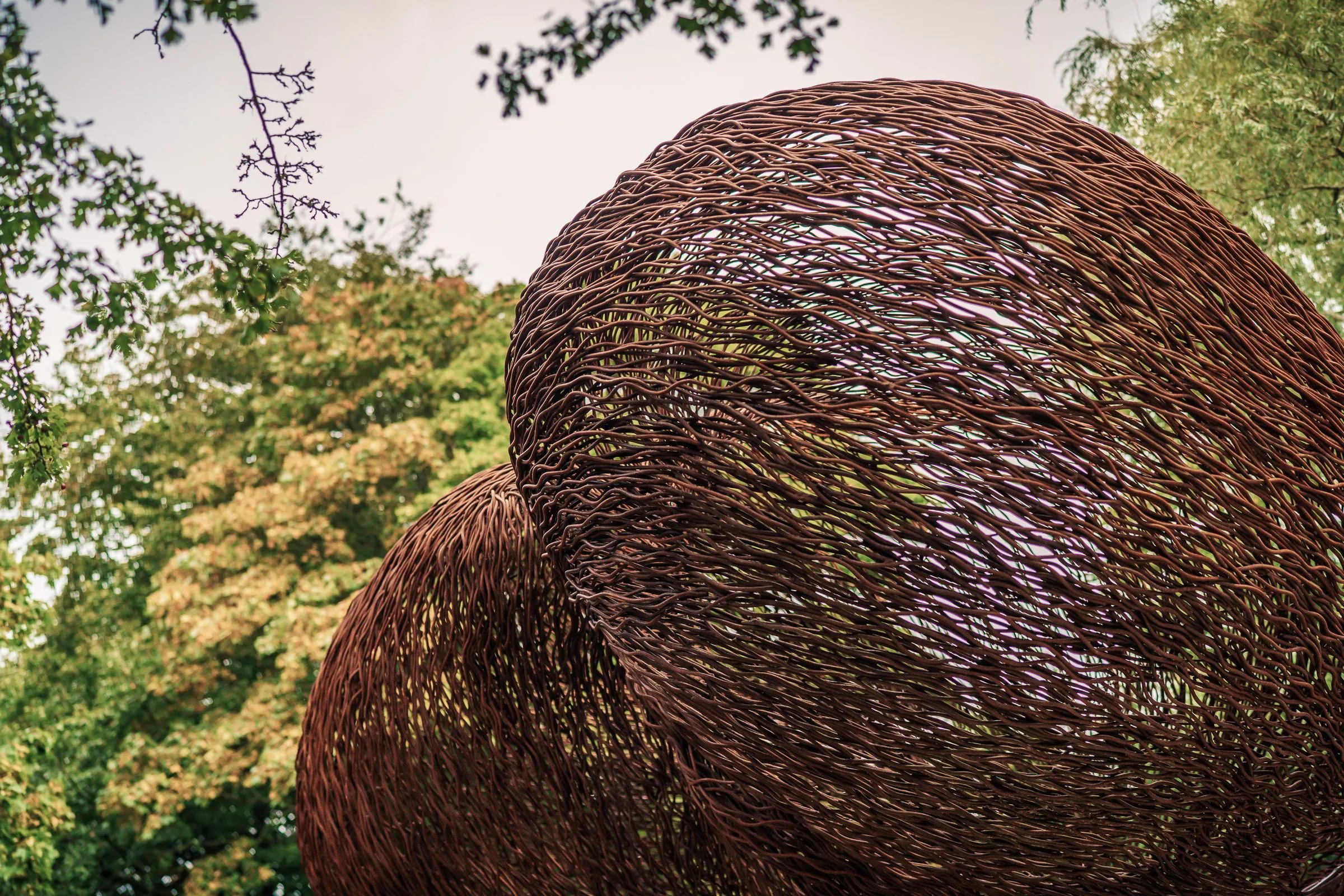
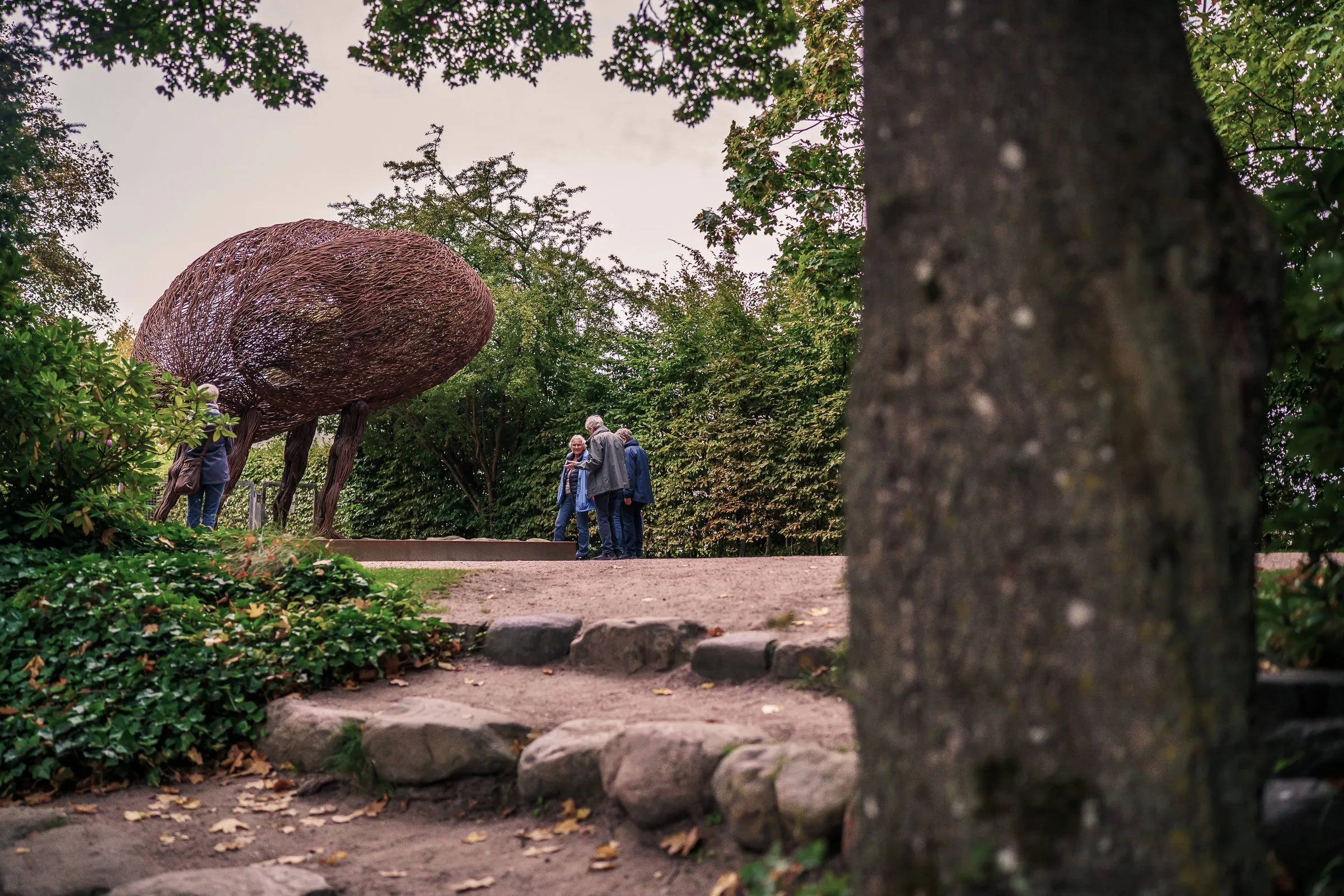
When I laid the four side by side afterwards, I noticed something I hadn't seen in the hall. Spanish painting, a German triptych, a giant Chinese canvas and a Mongolian wire sculpture have little to do with each other at first sight. And yet all four works are about the human being, without any of them being a portrait. With Bego Riba the faces disappear into fabric, with Undine Bandelin the person becomes a figure in a play, with Liu Yaming they merge into all of humanity, and with Ochirbold the body dissolves into wire and air.
Perhaps that is exactly why these four stayed. They work physically first, through colour, skin, size and material, and the meaning only comes afterwards. That works in the room, not on a screen. What I took home is less a pictorial idea than a question for my own work: how to tell of the human being without simply depicting a human being.
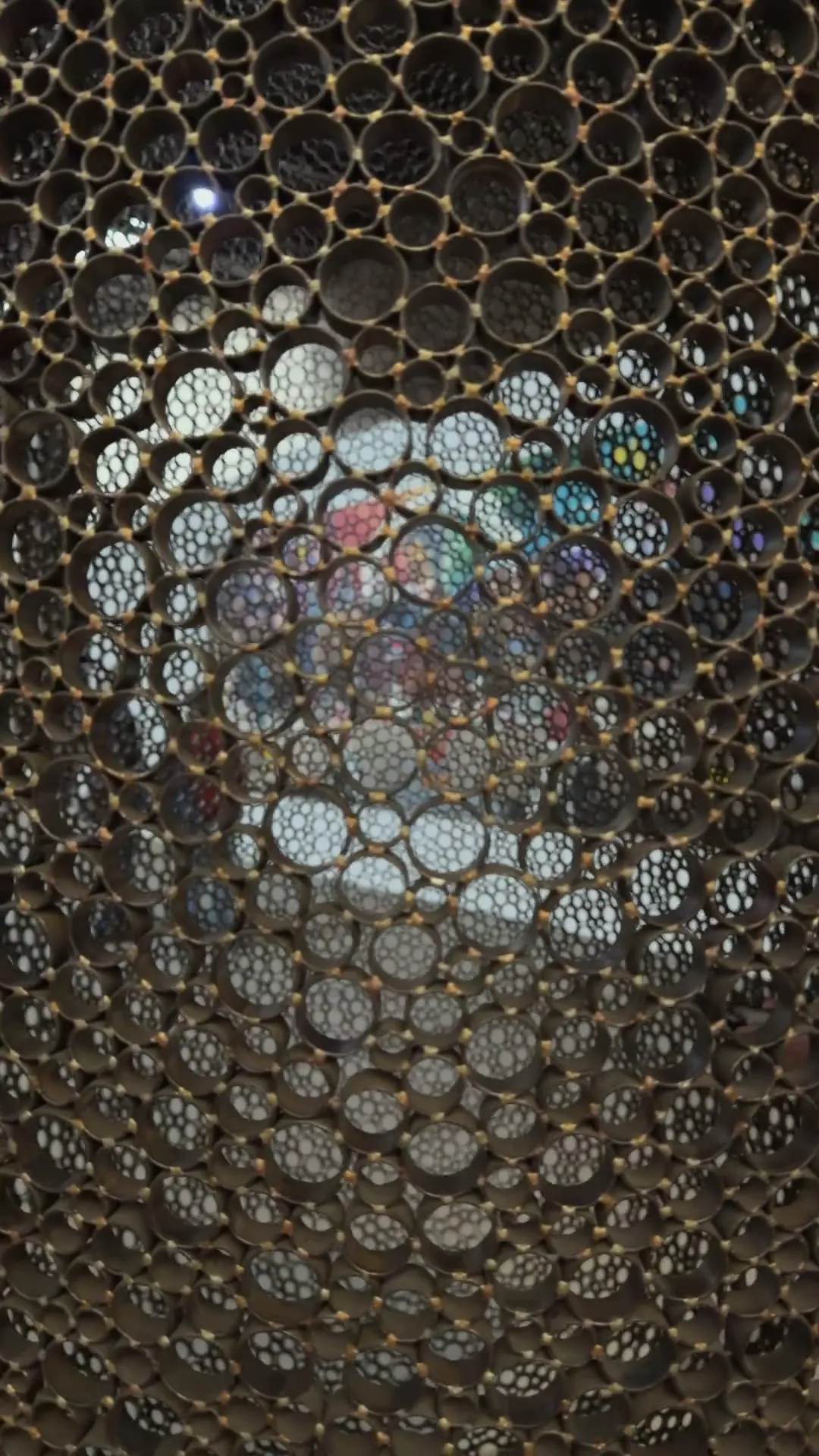
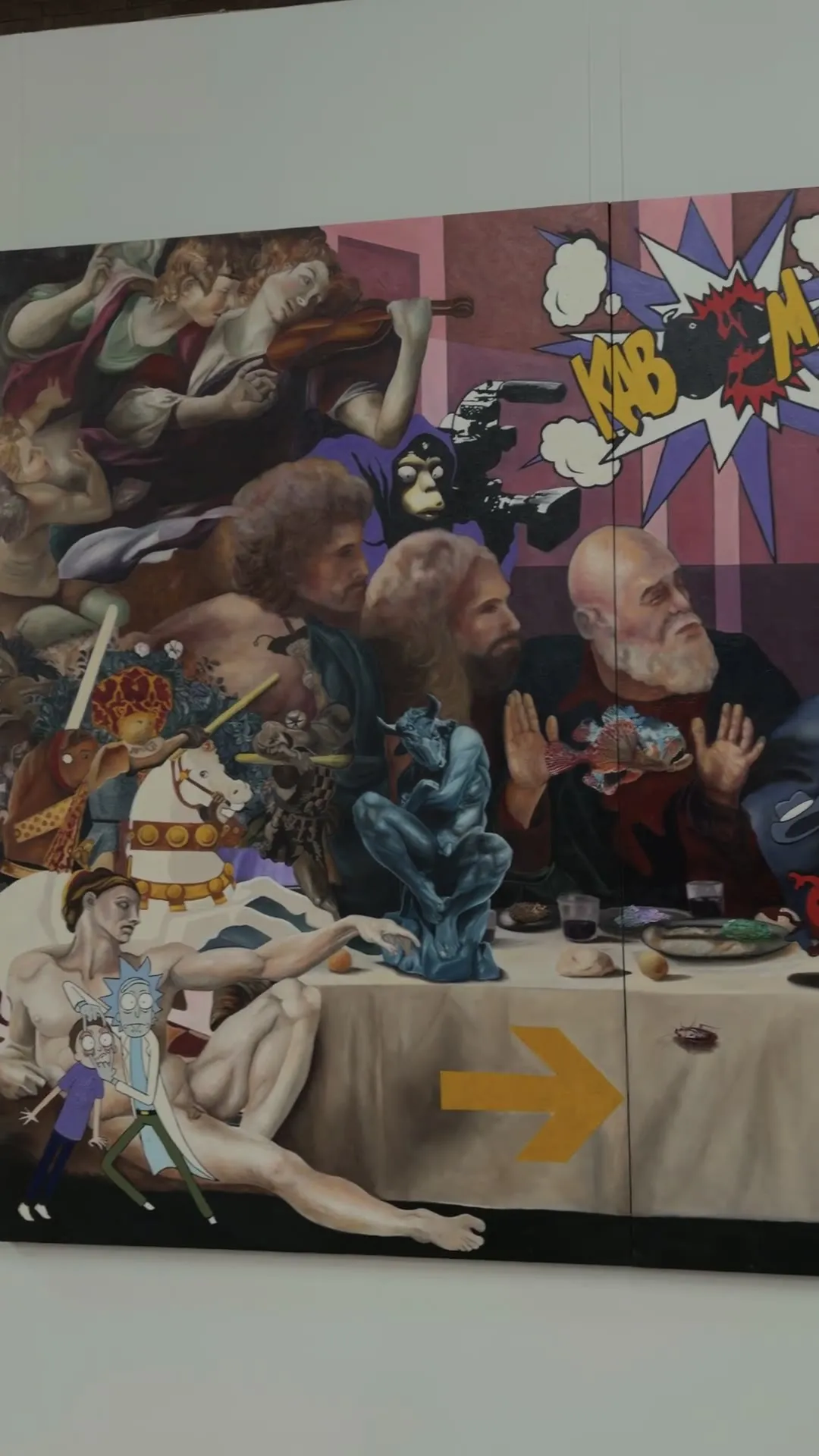
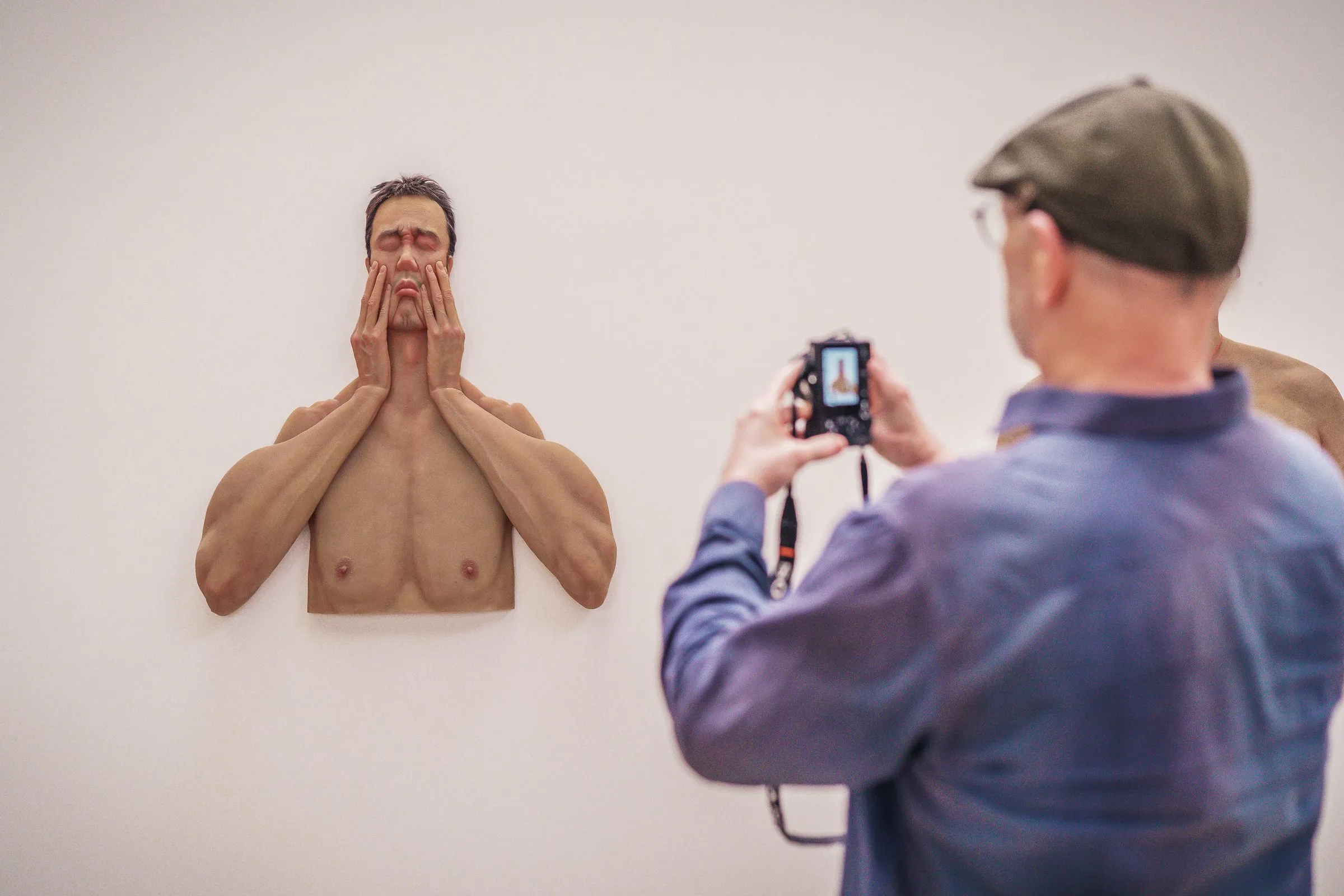
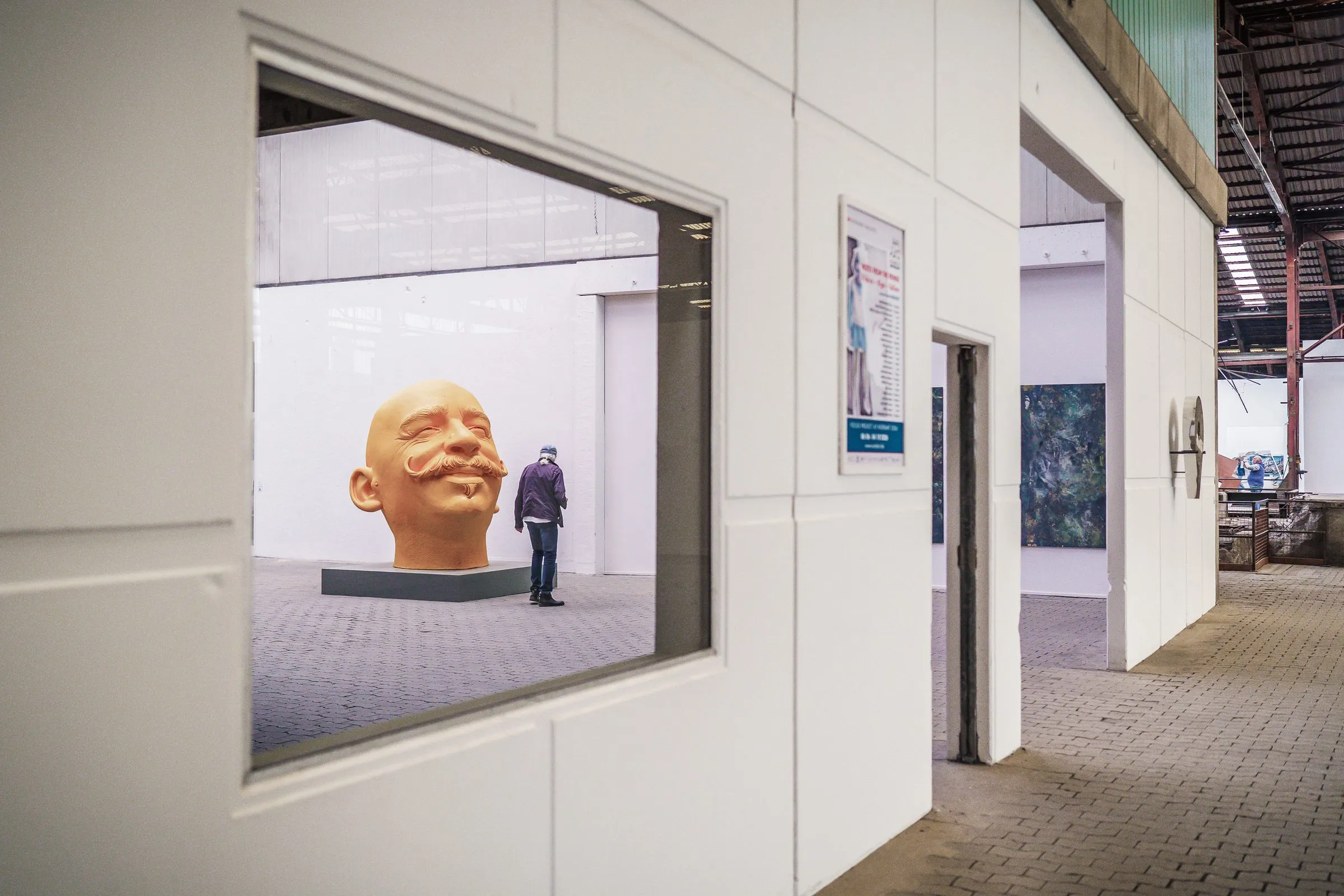
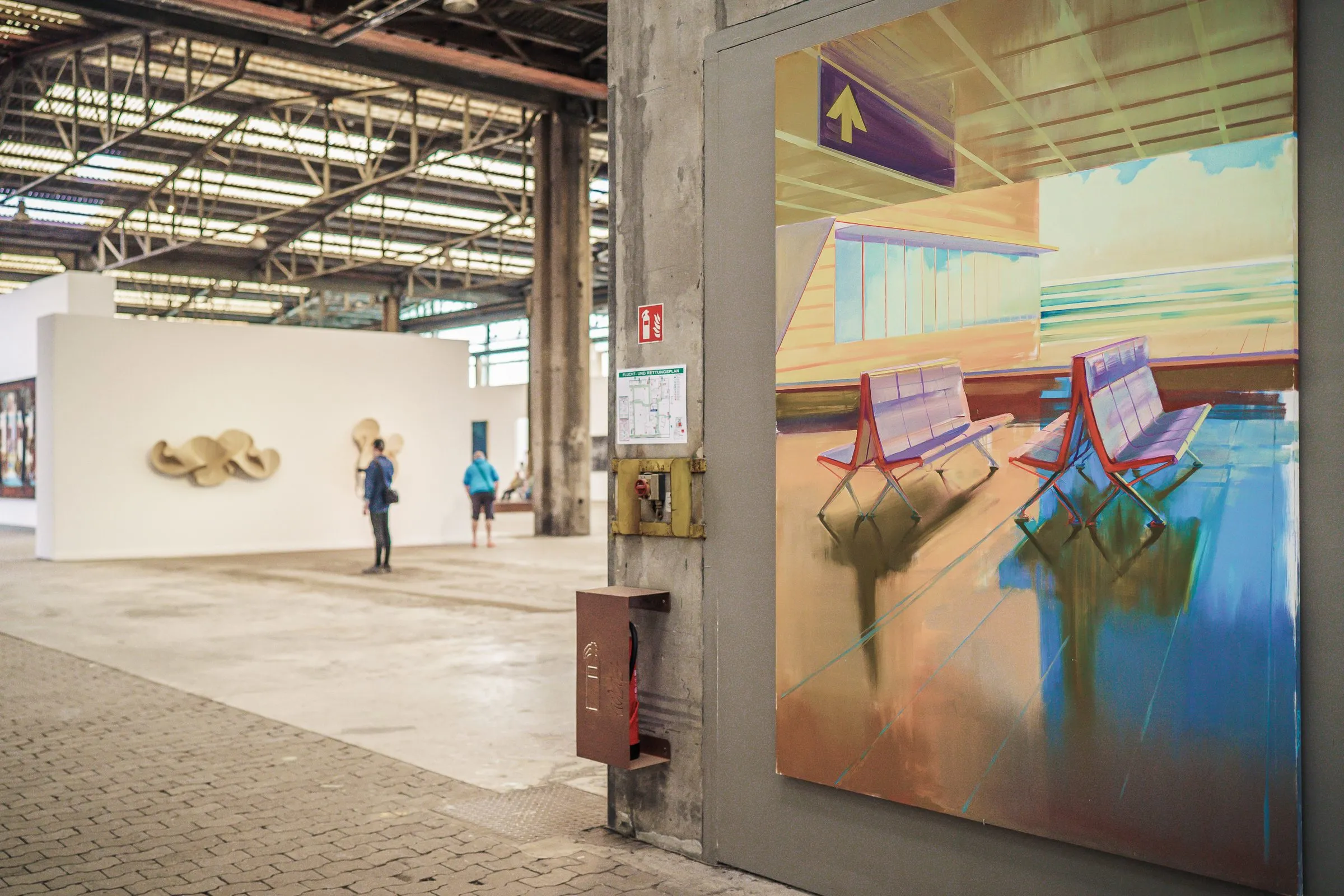
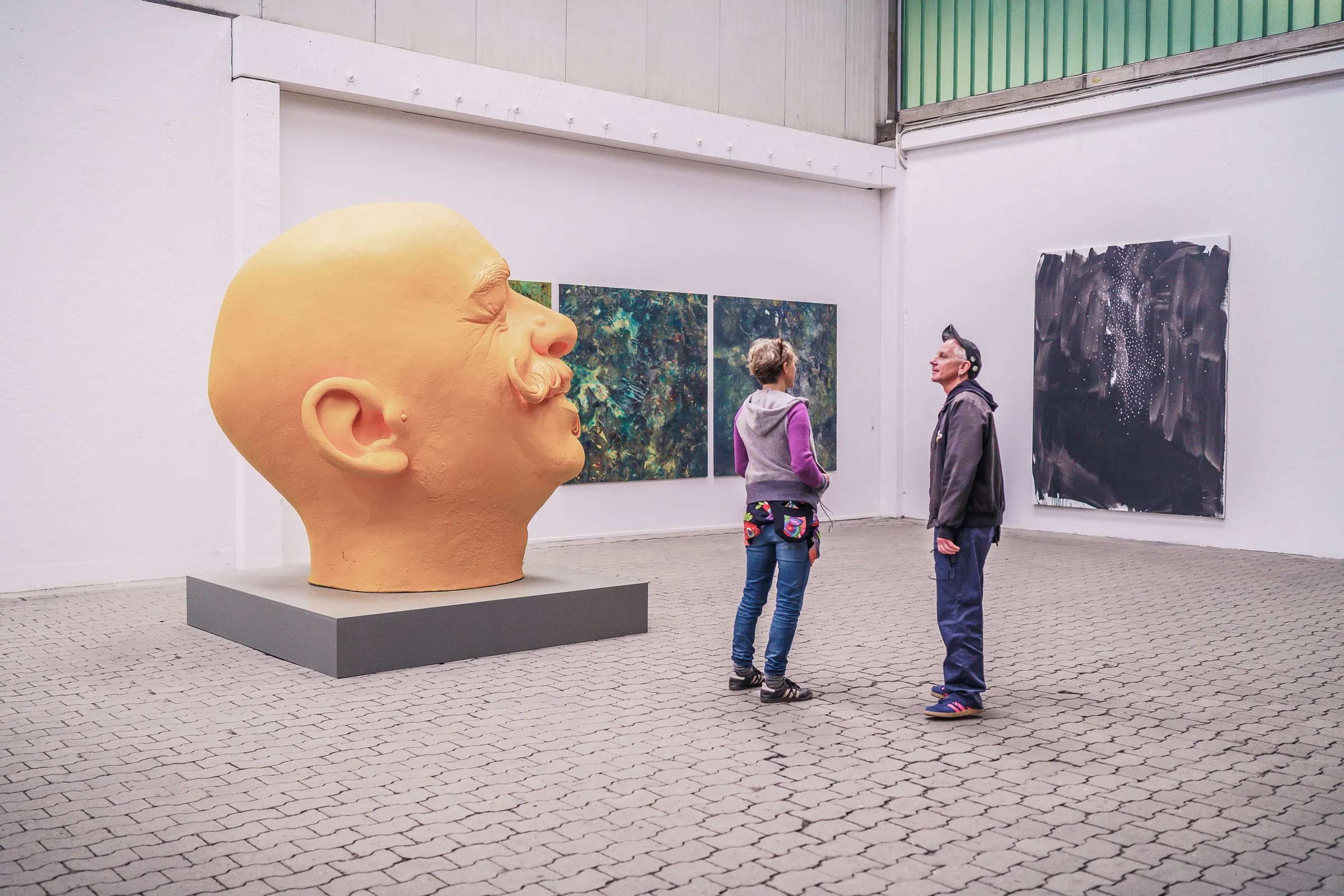
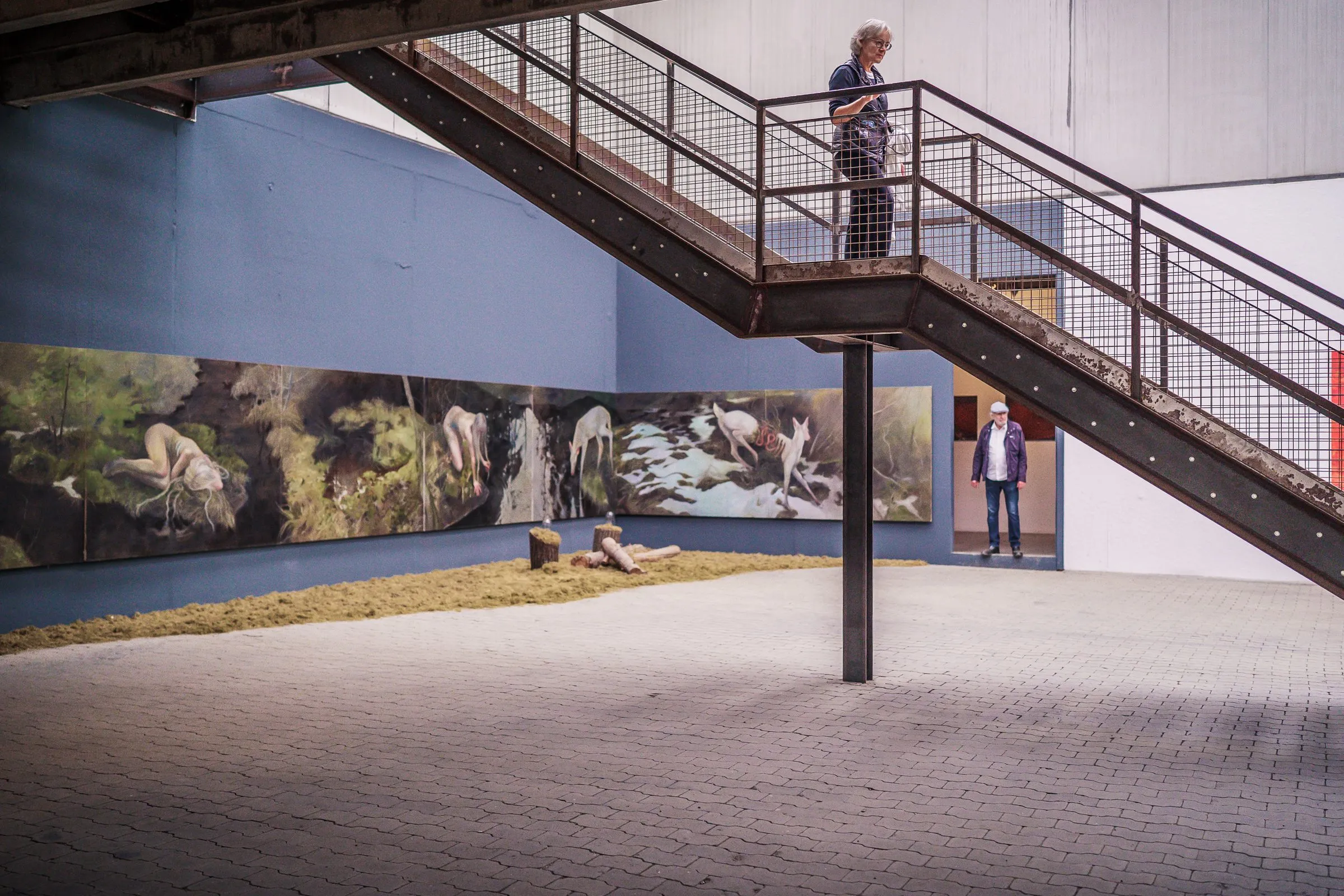
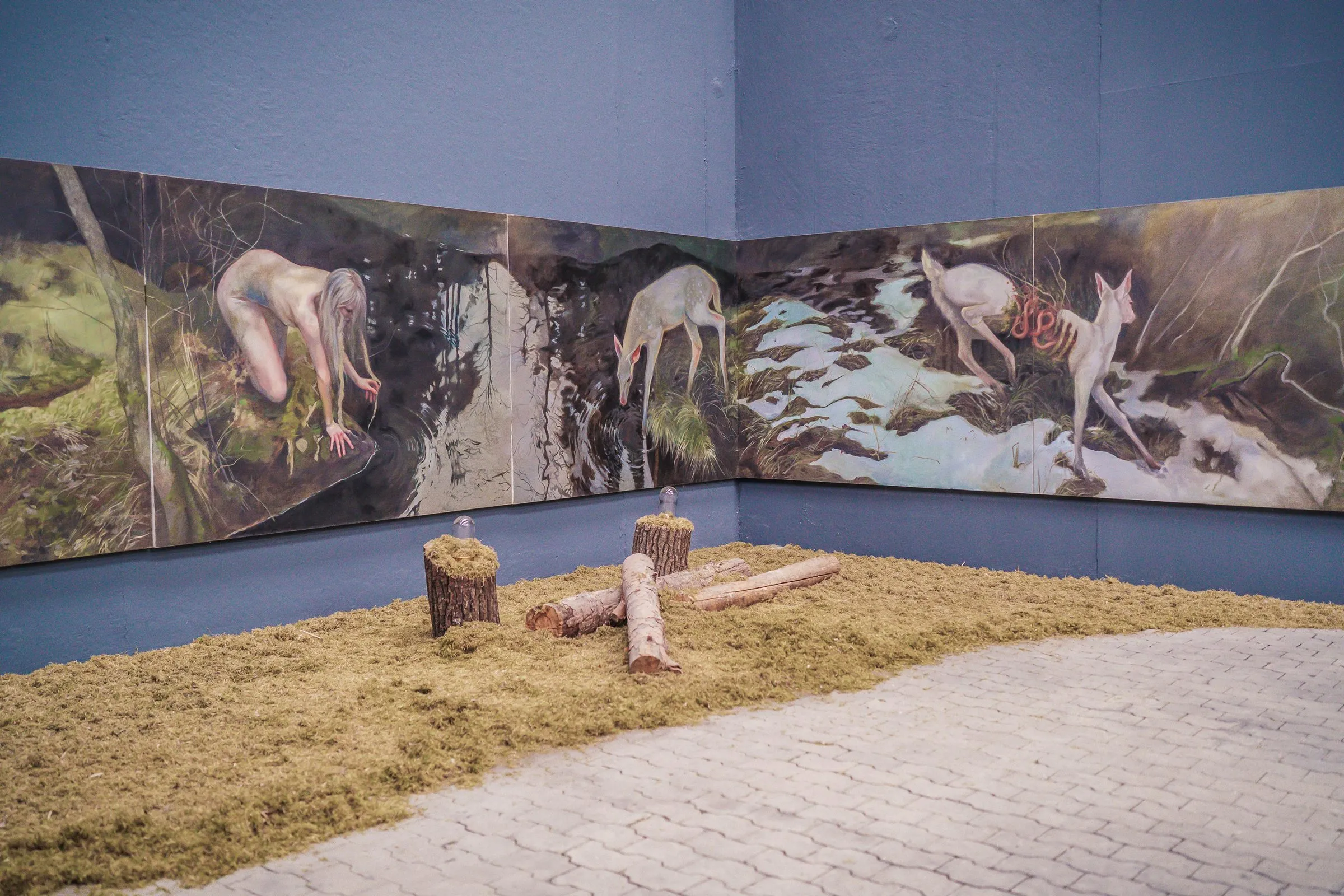
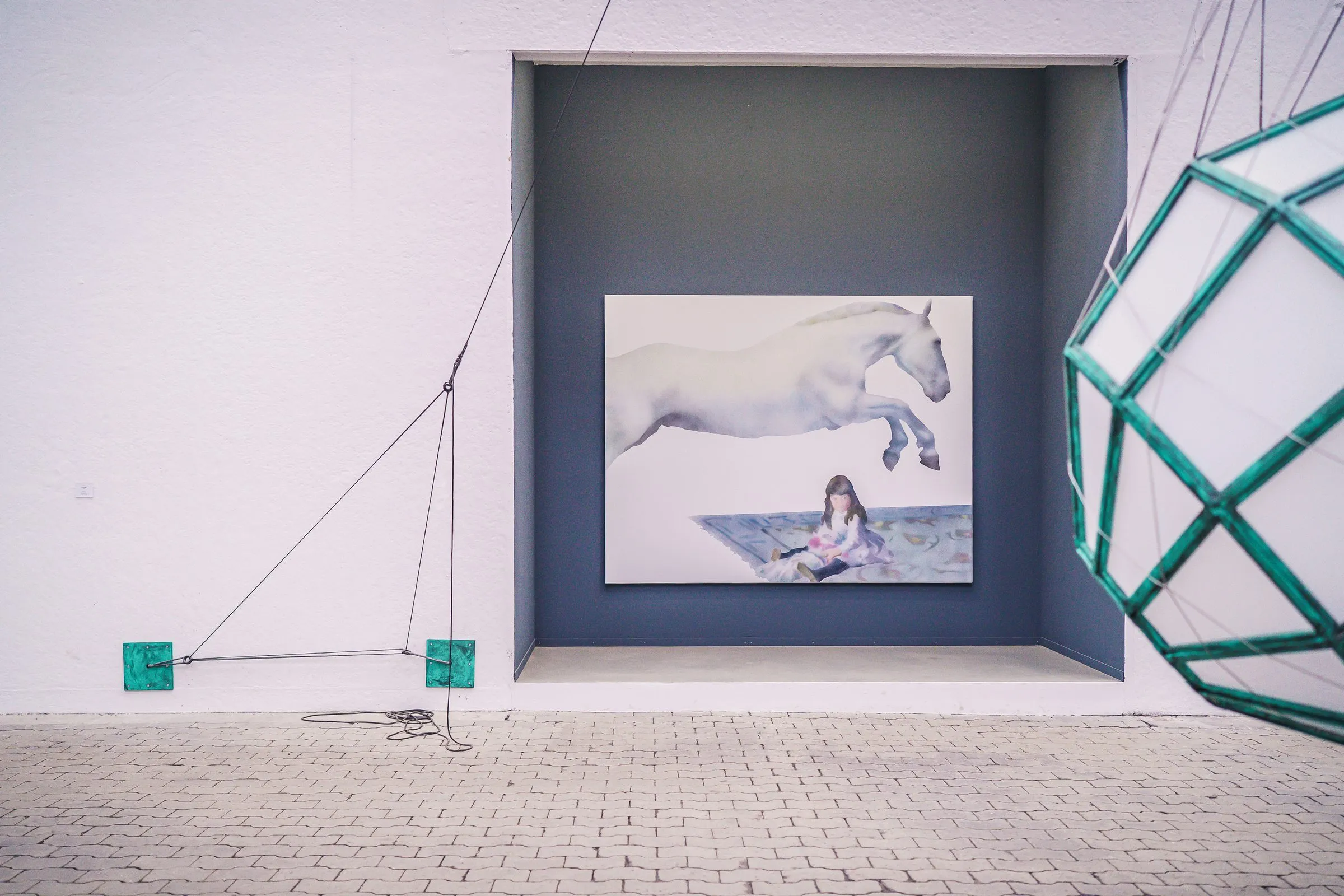
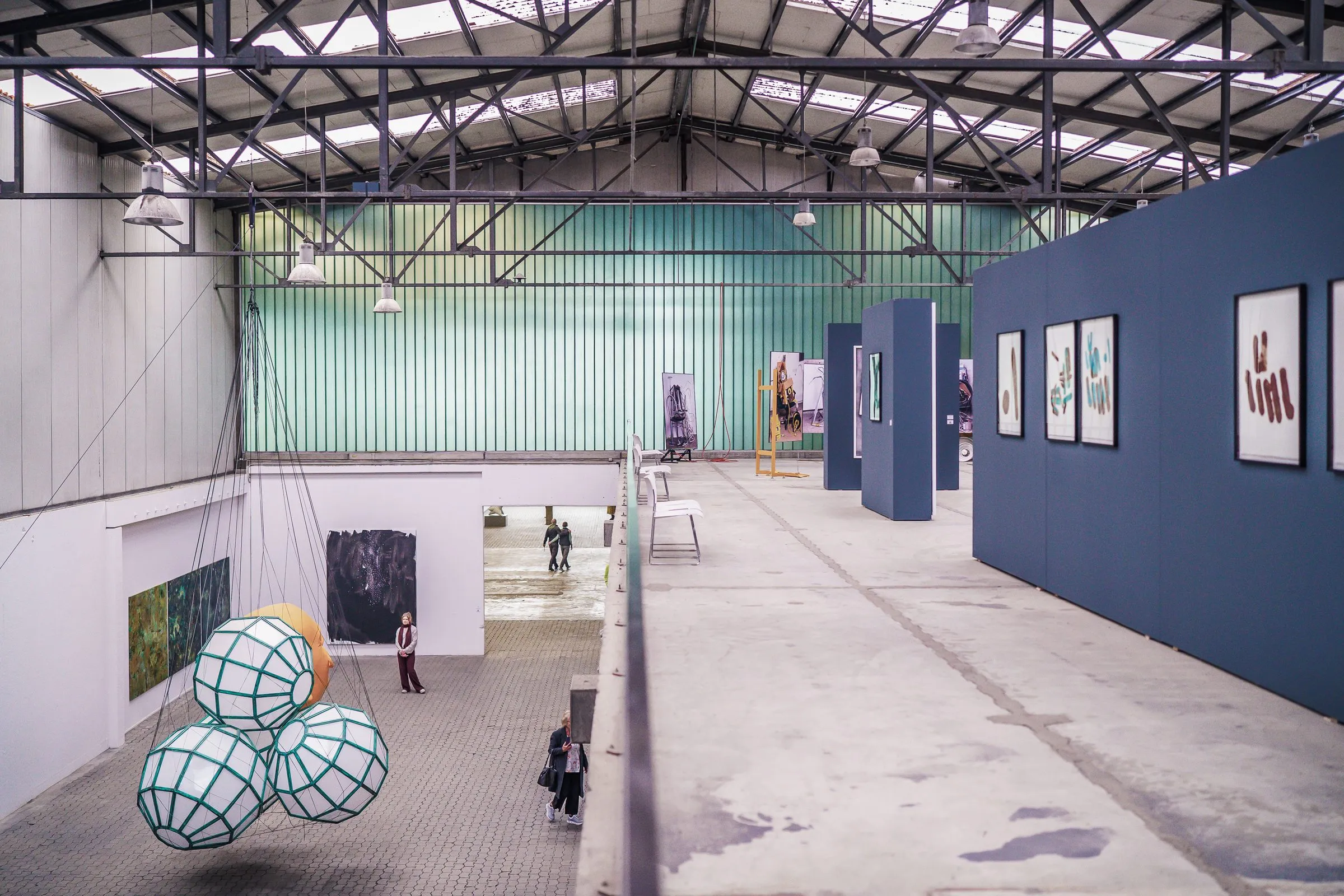
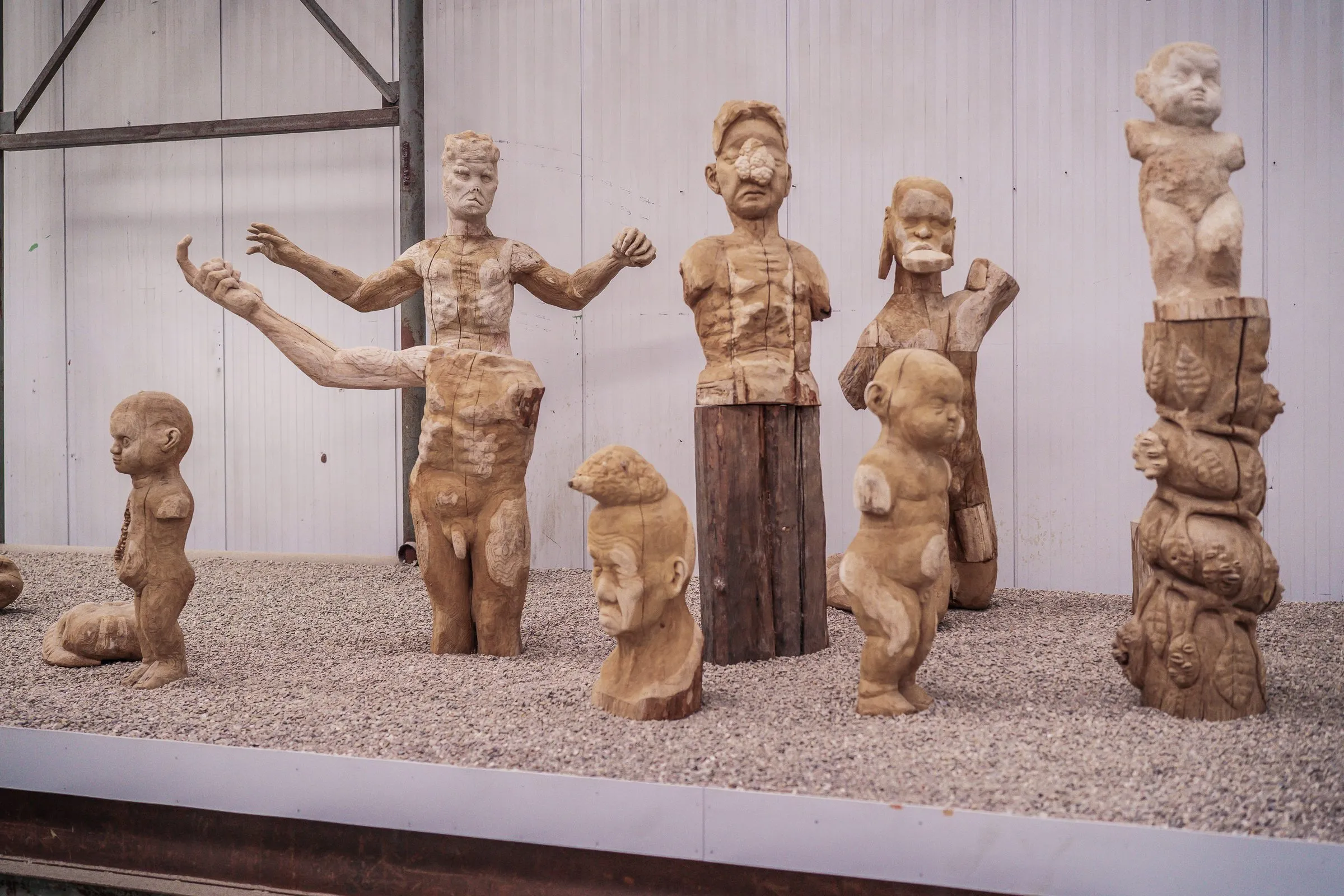
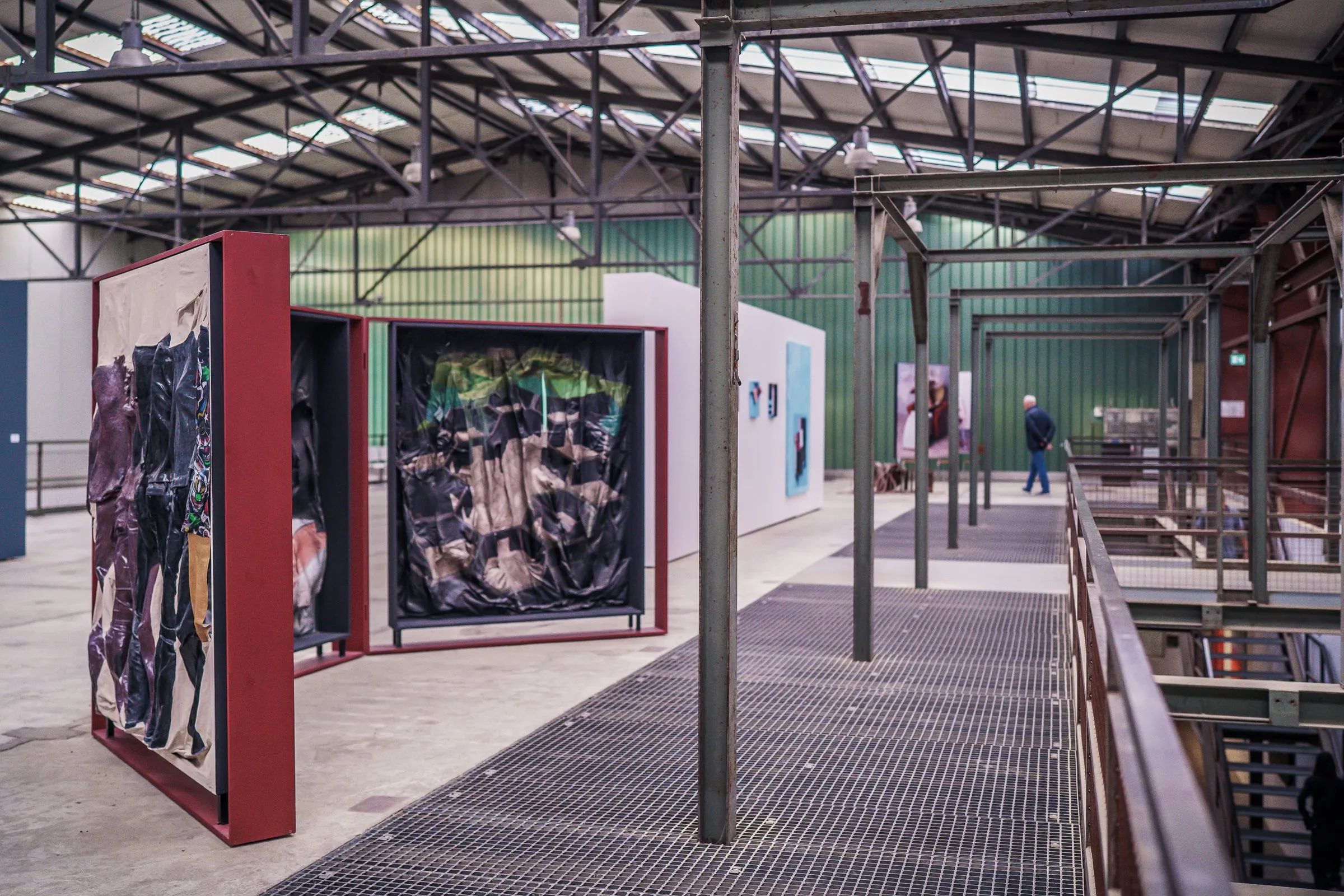
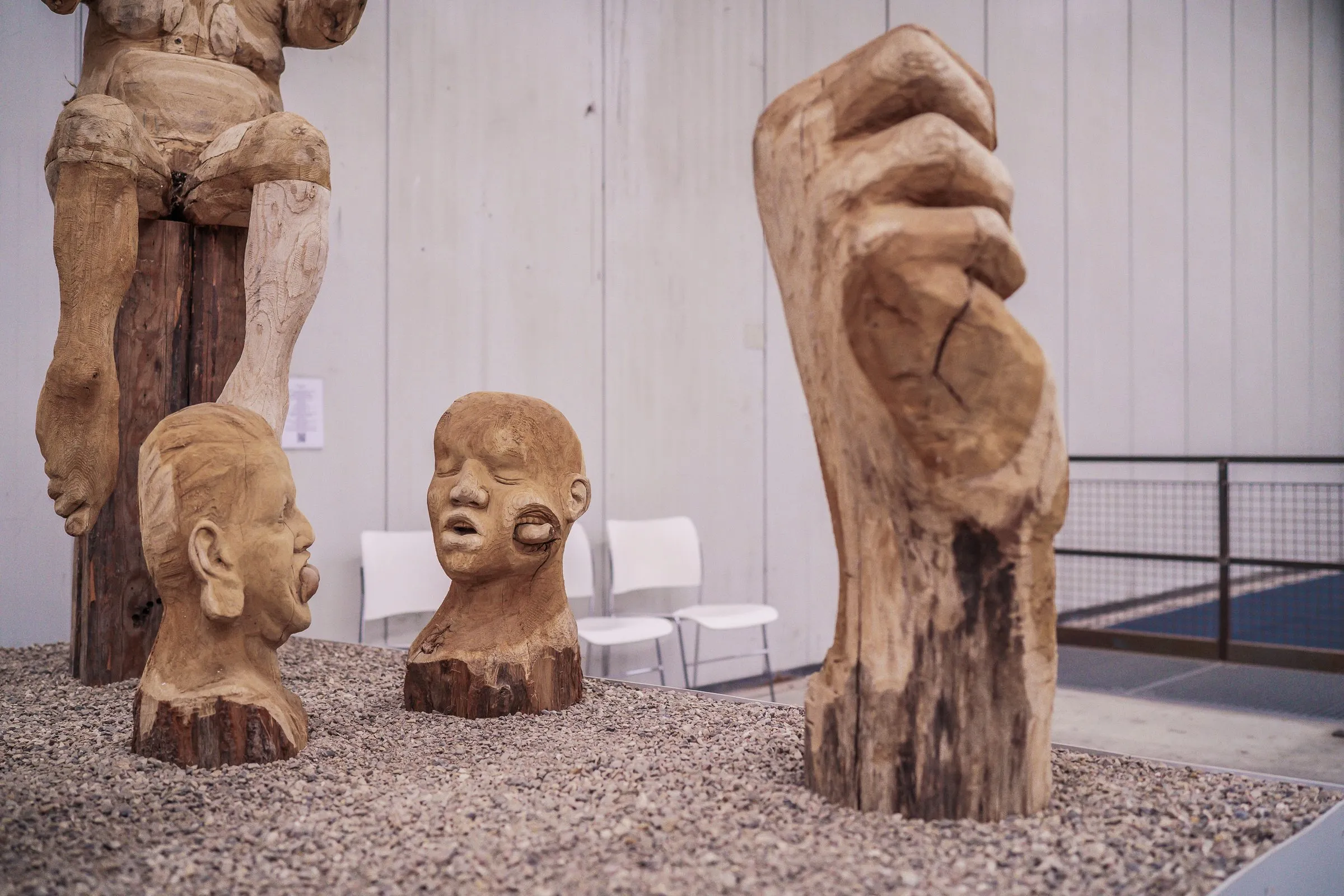
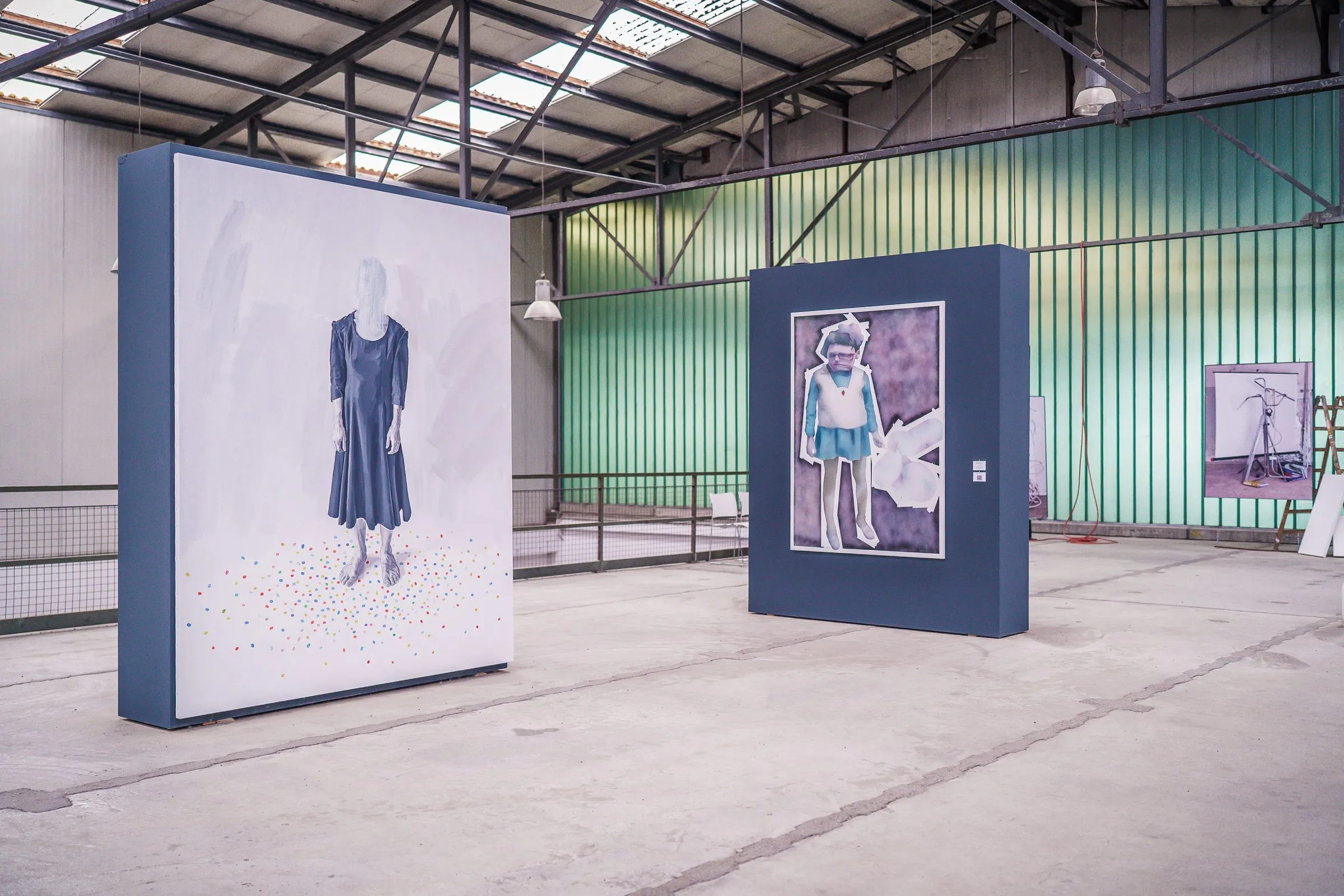
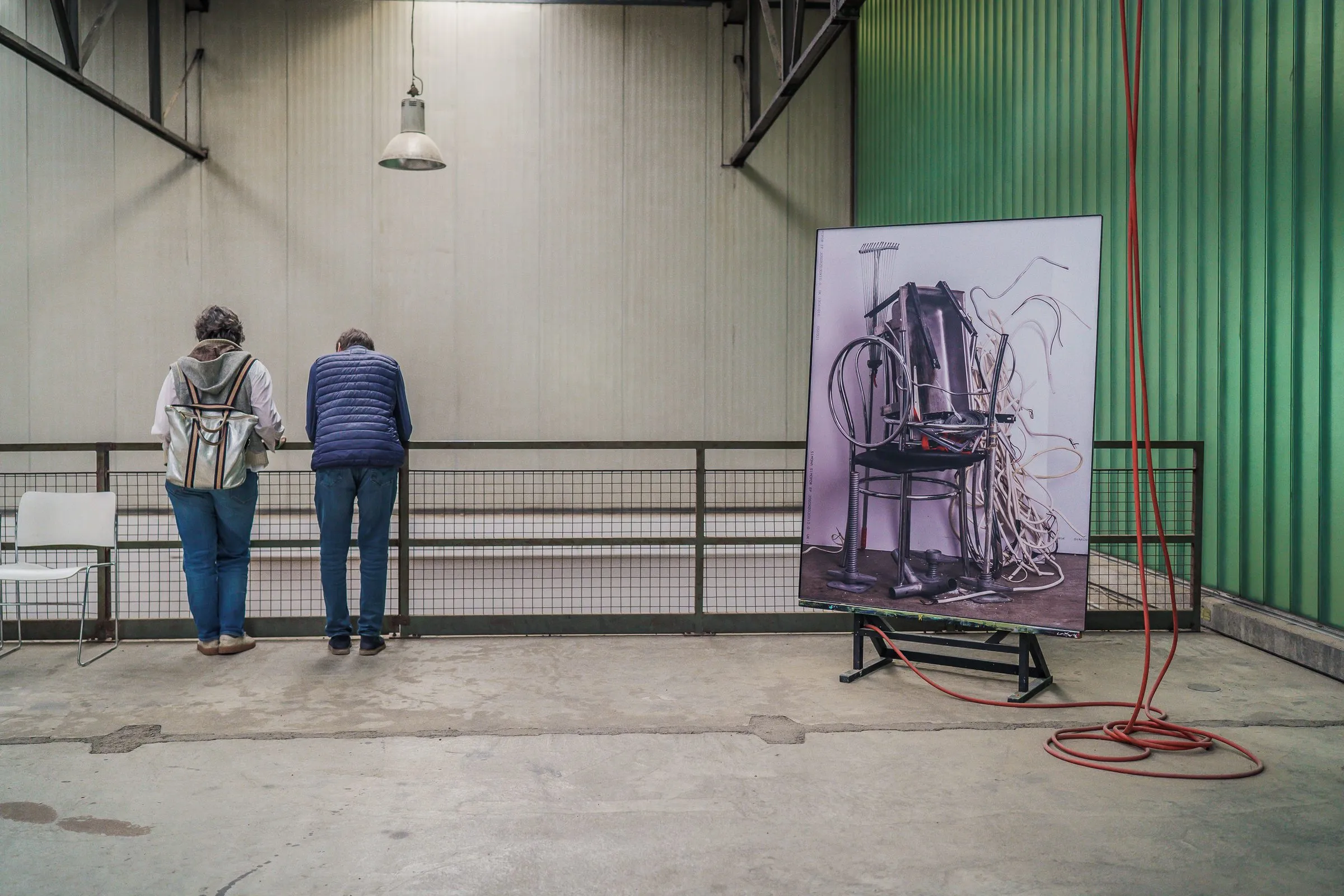
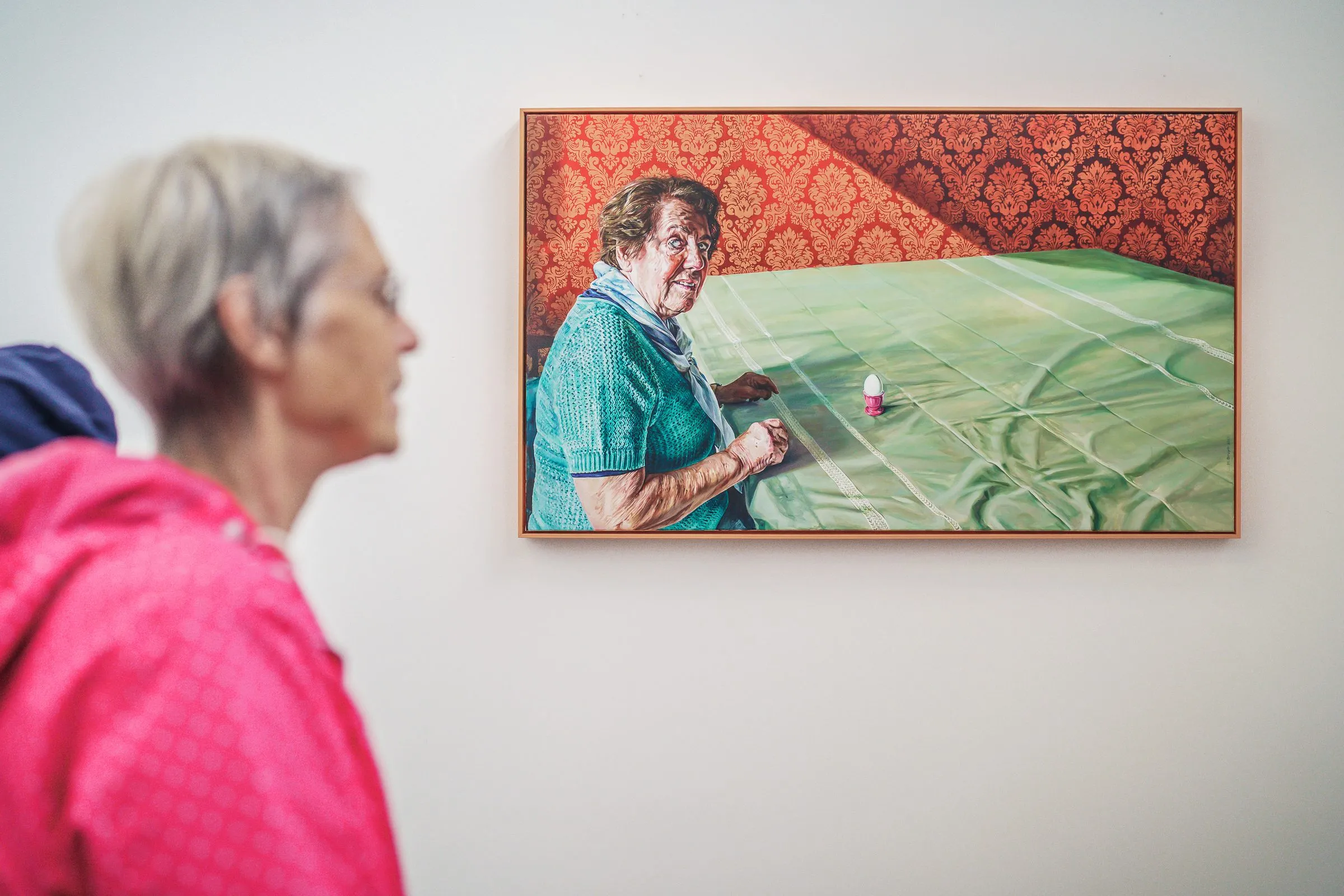
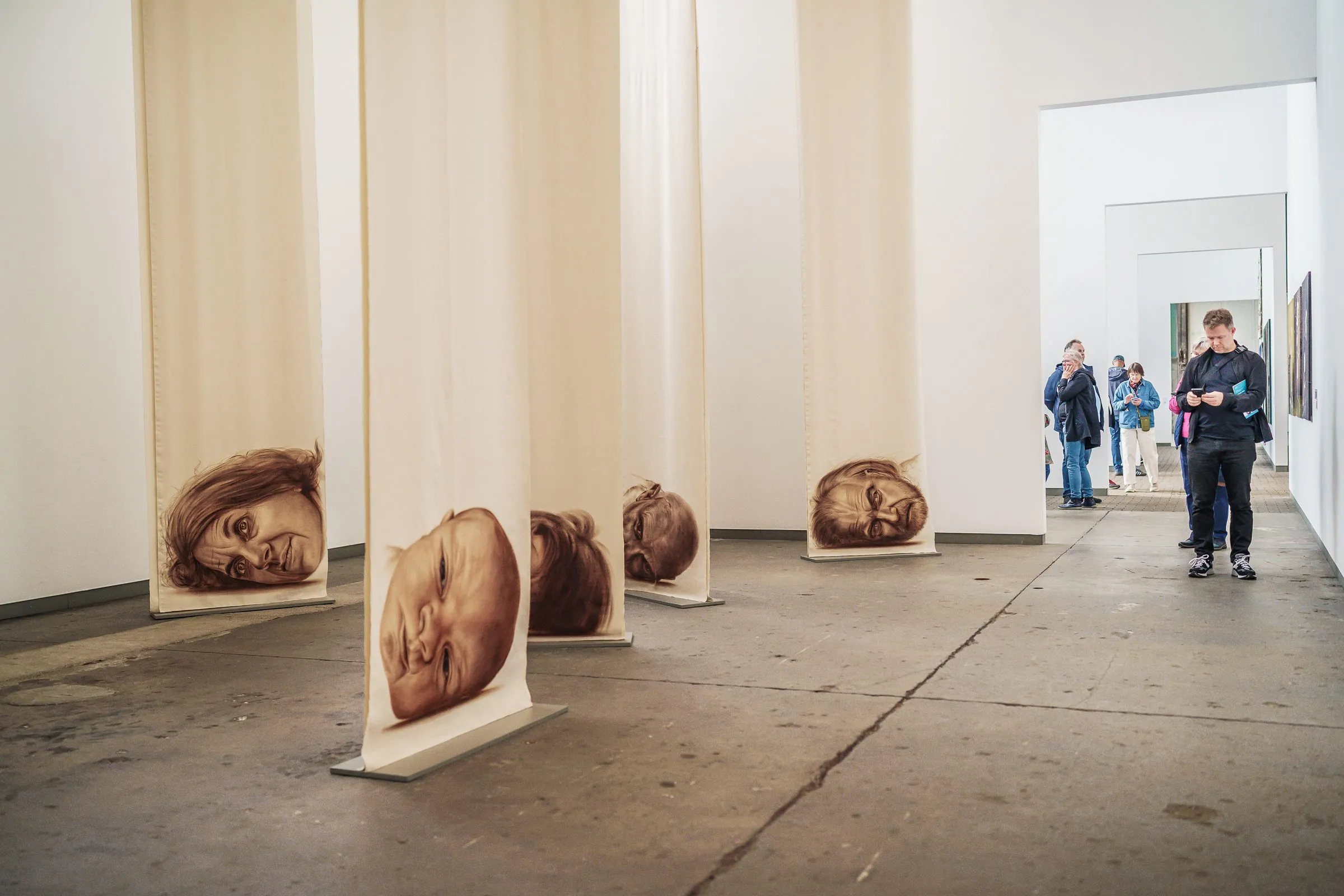
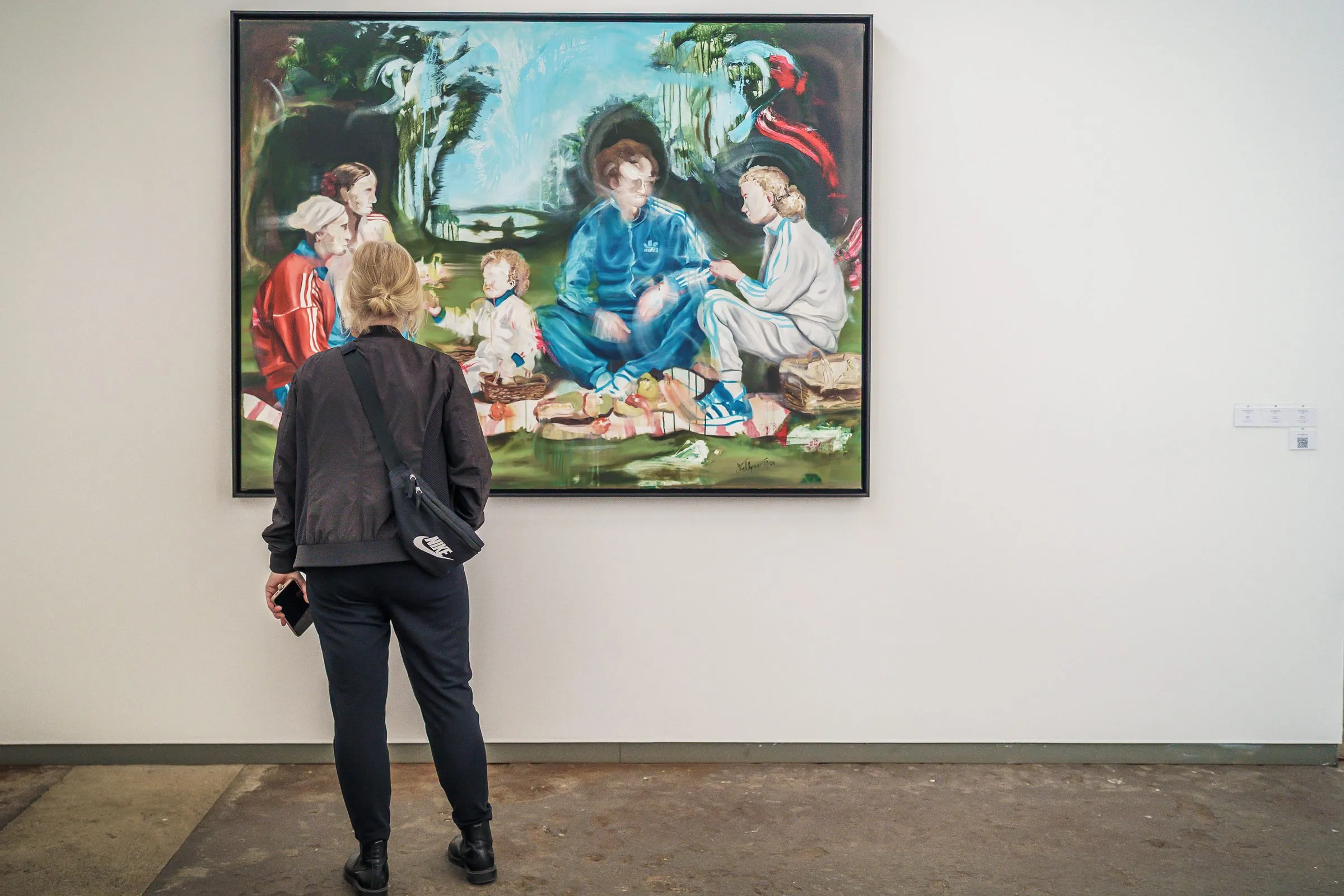
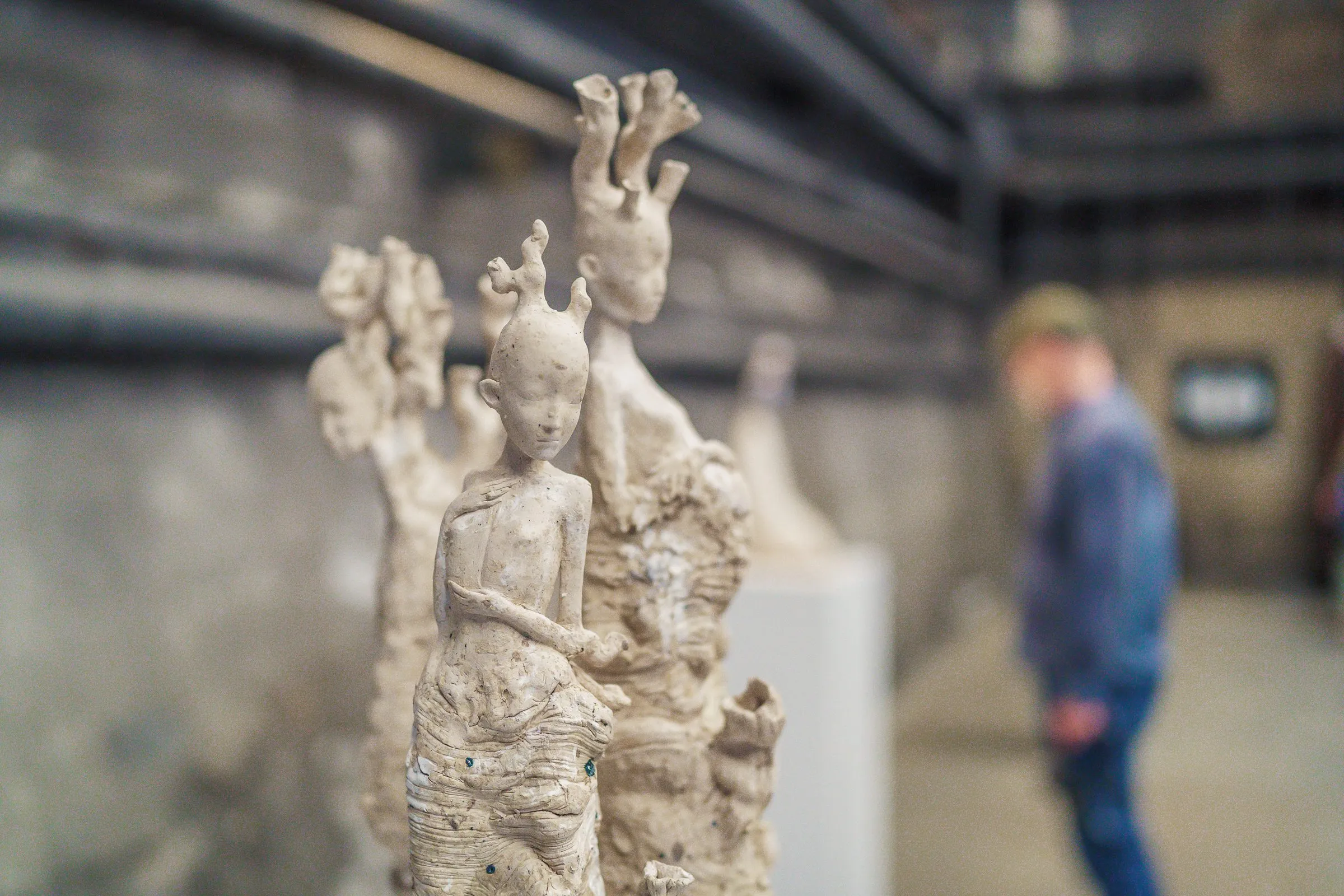
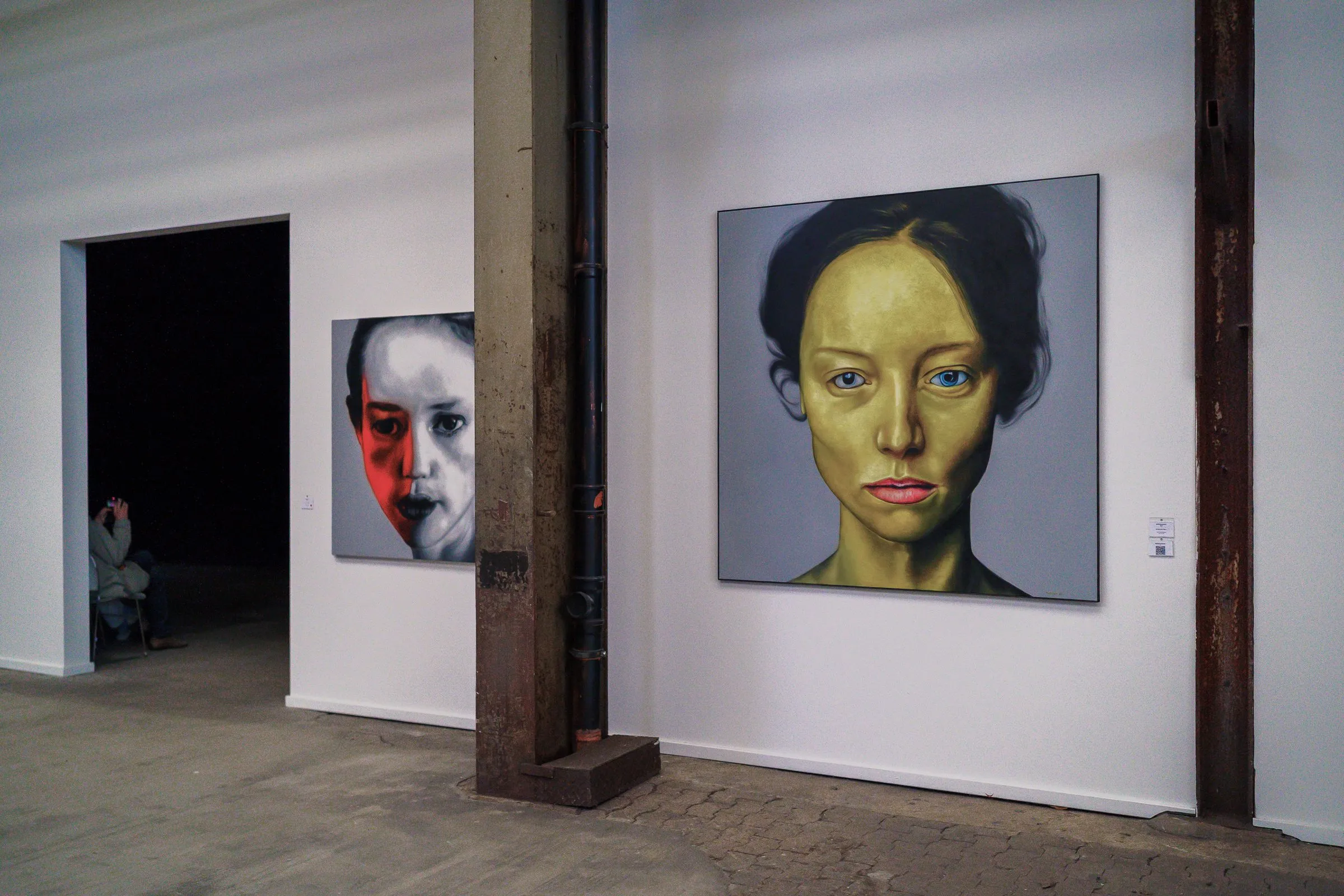
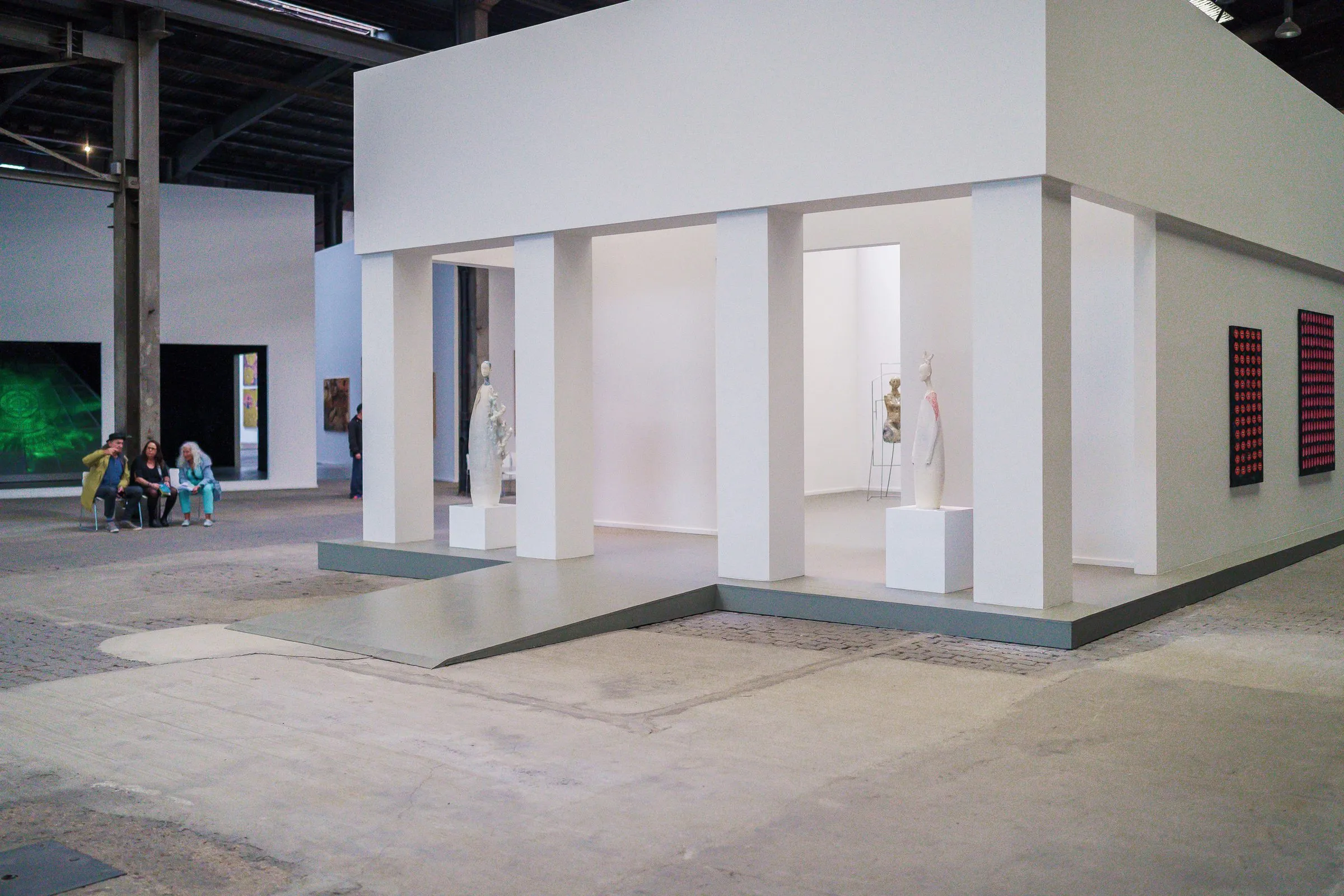
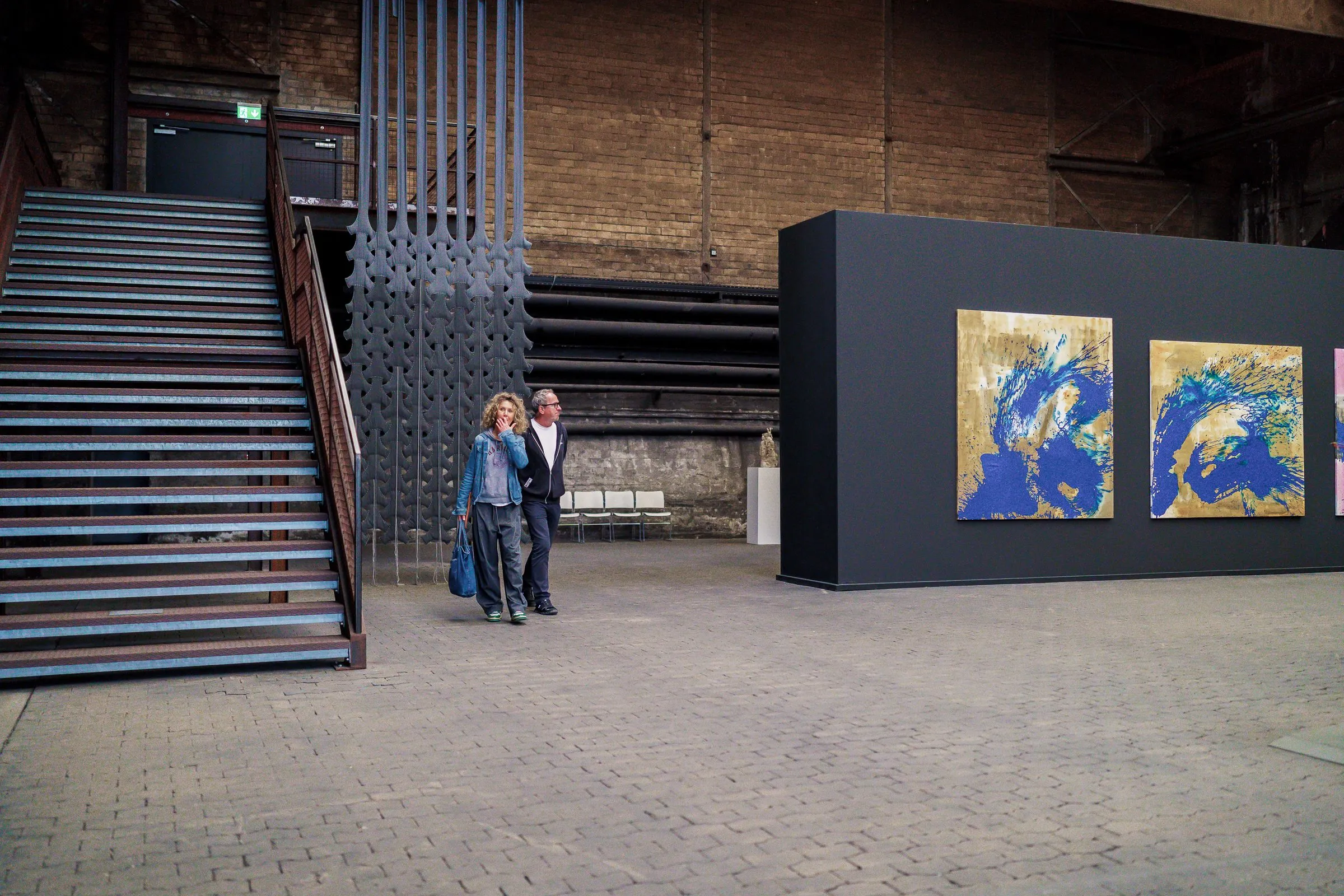
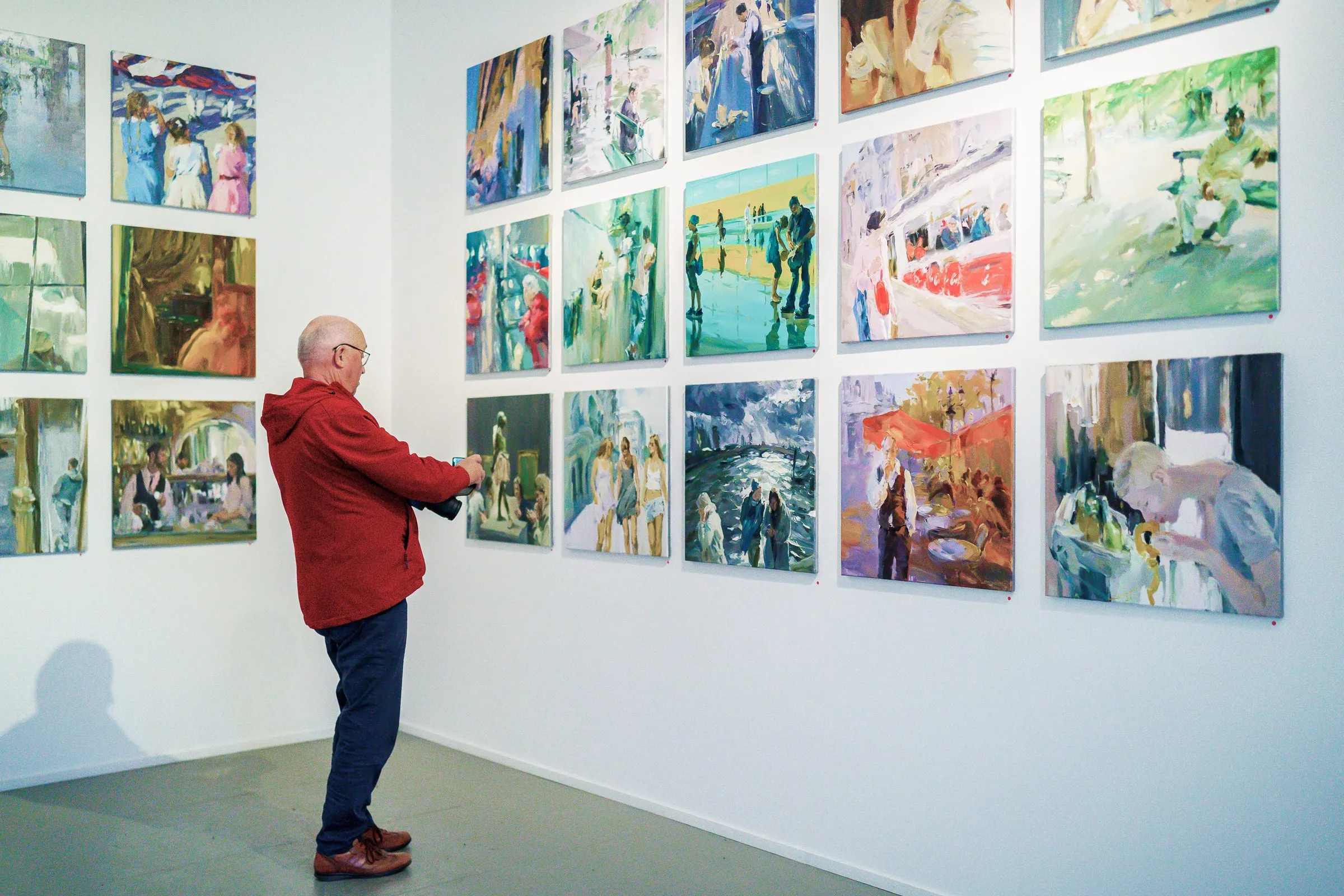
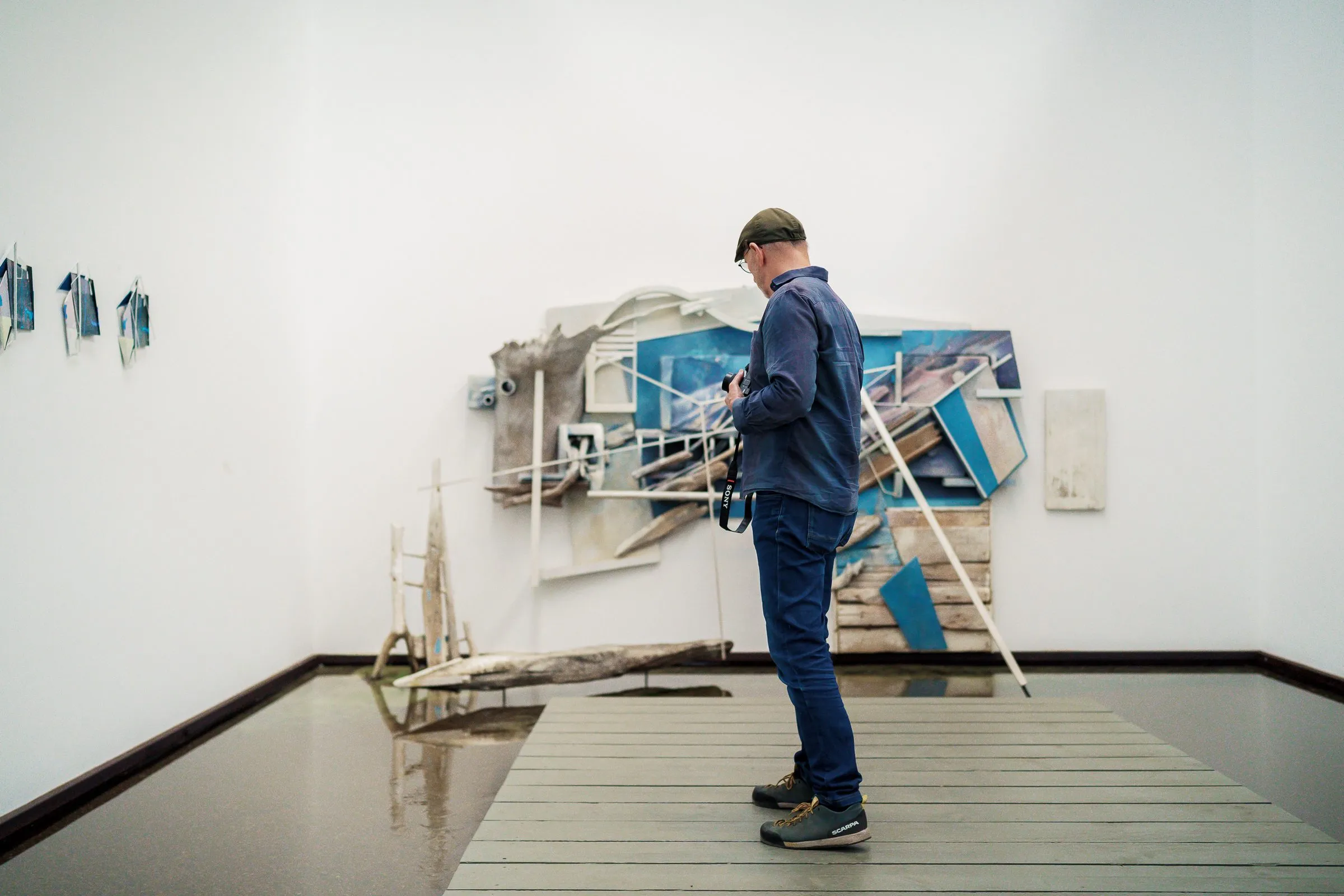
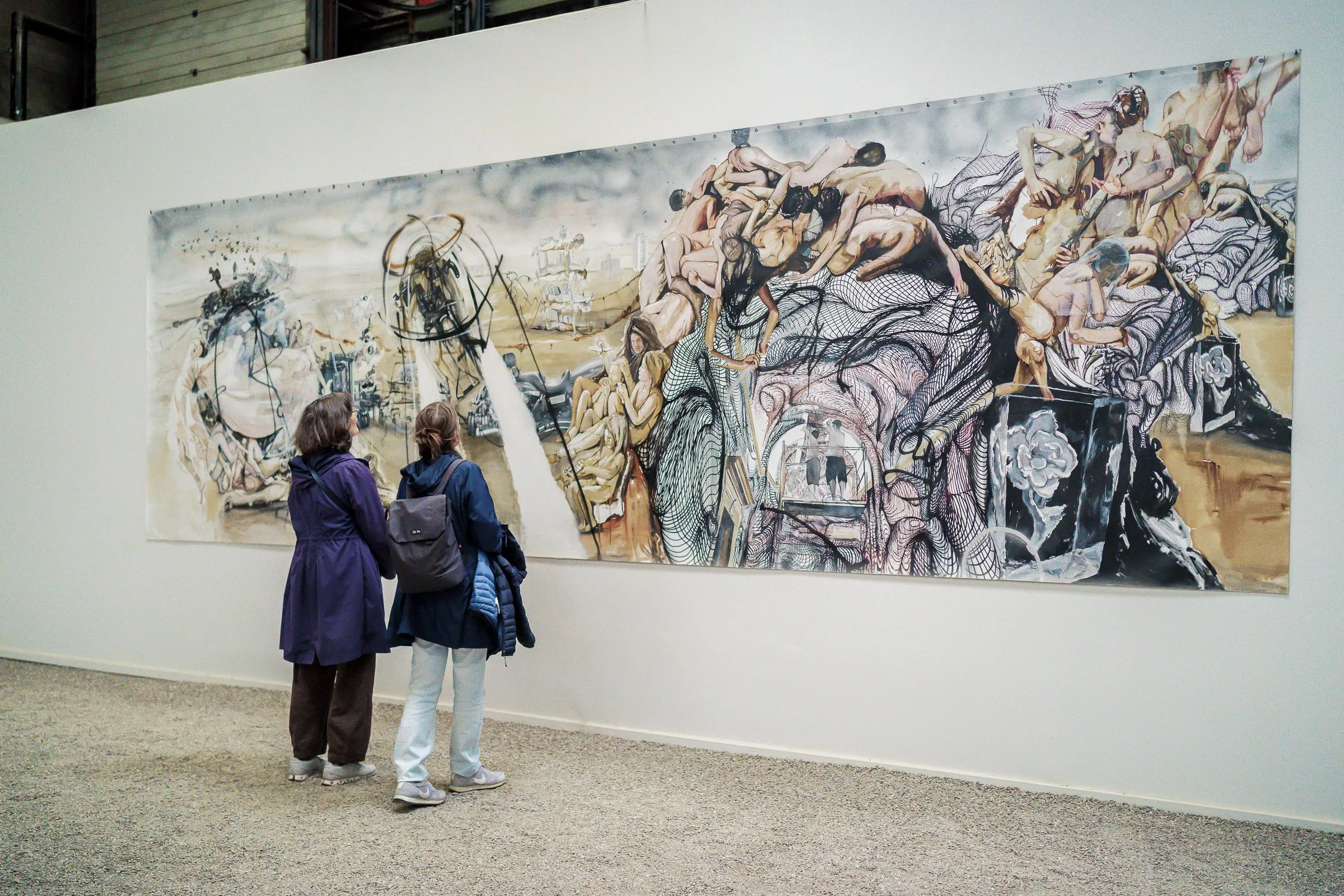
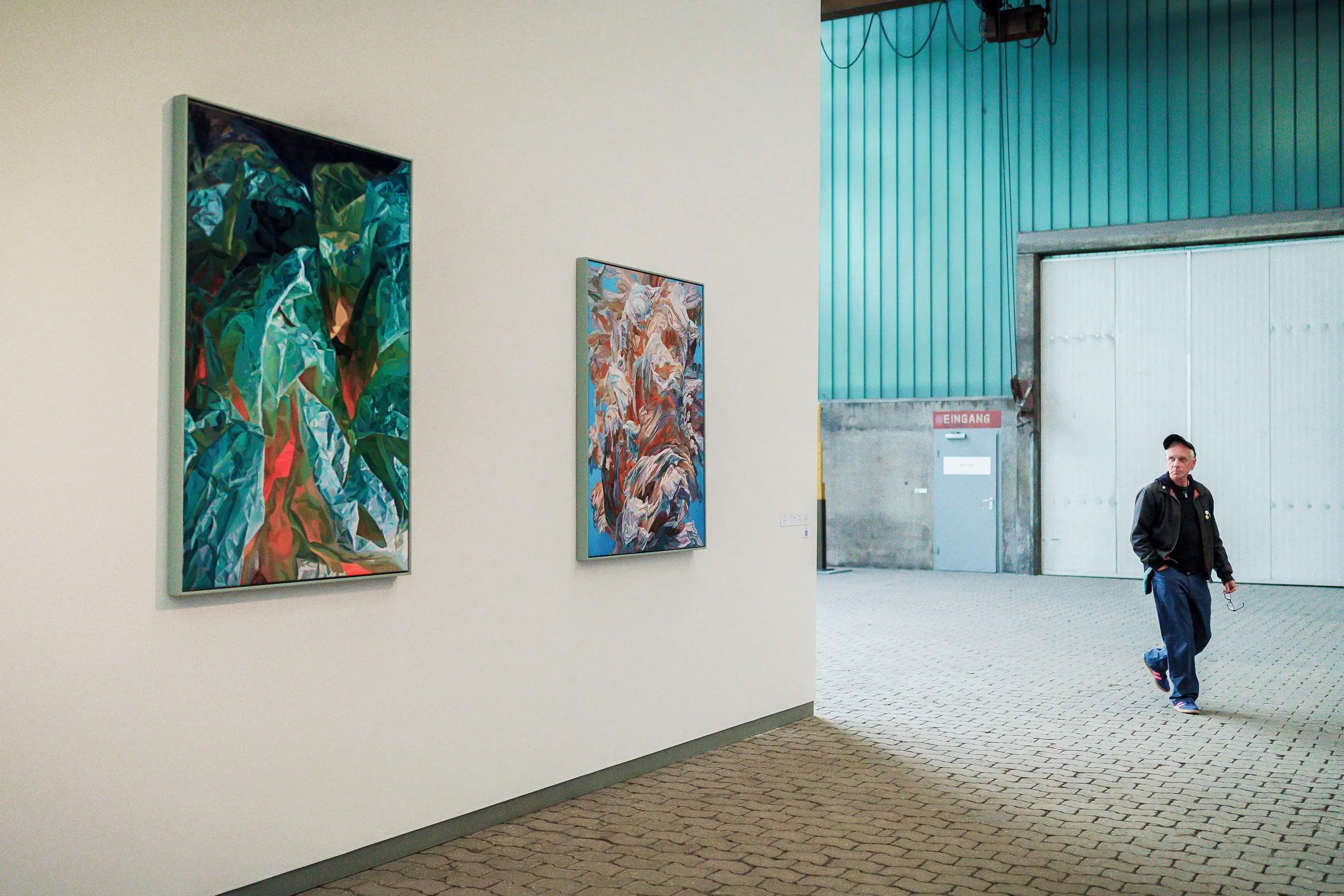
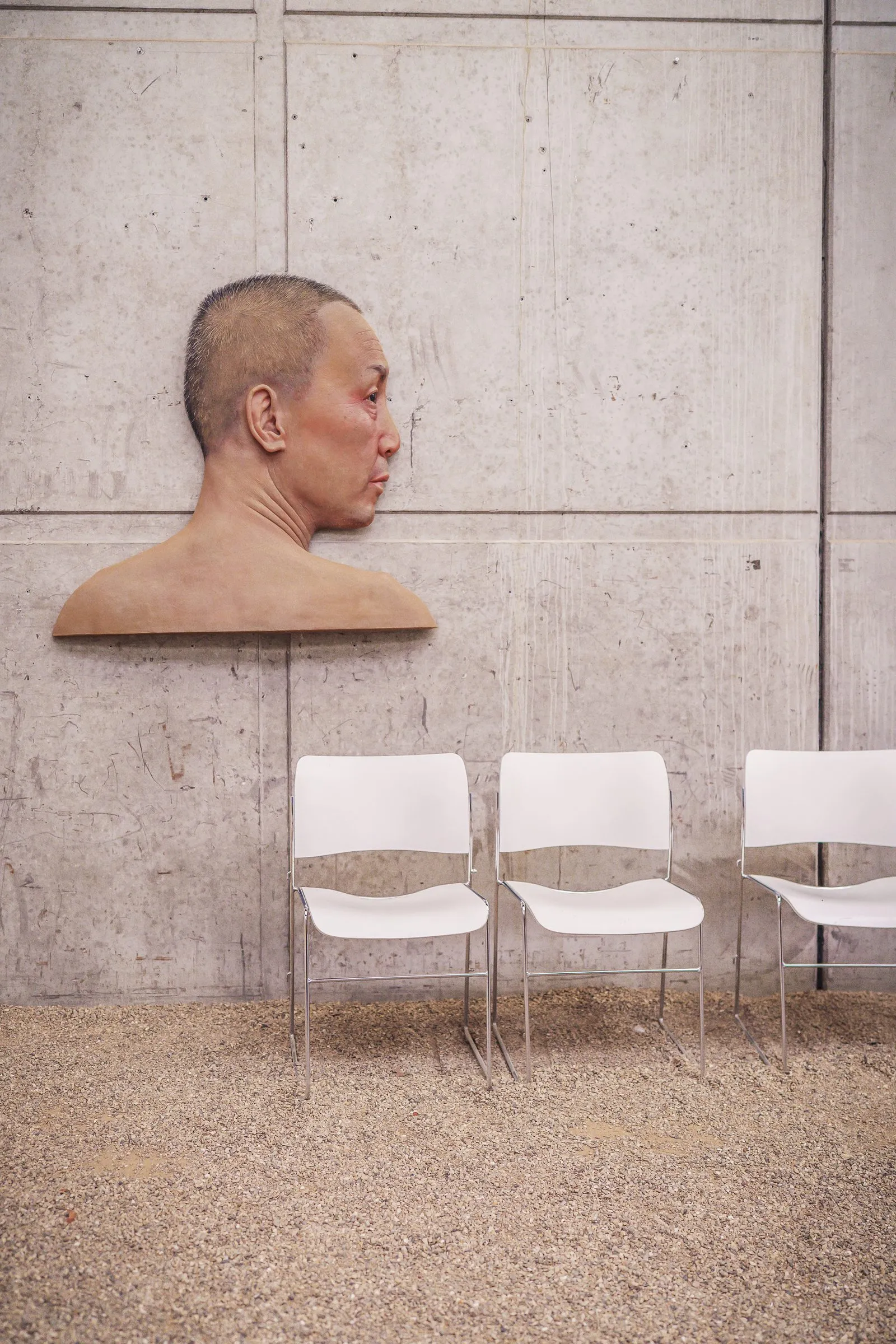
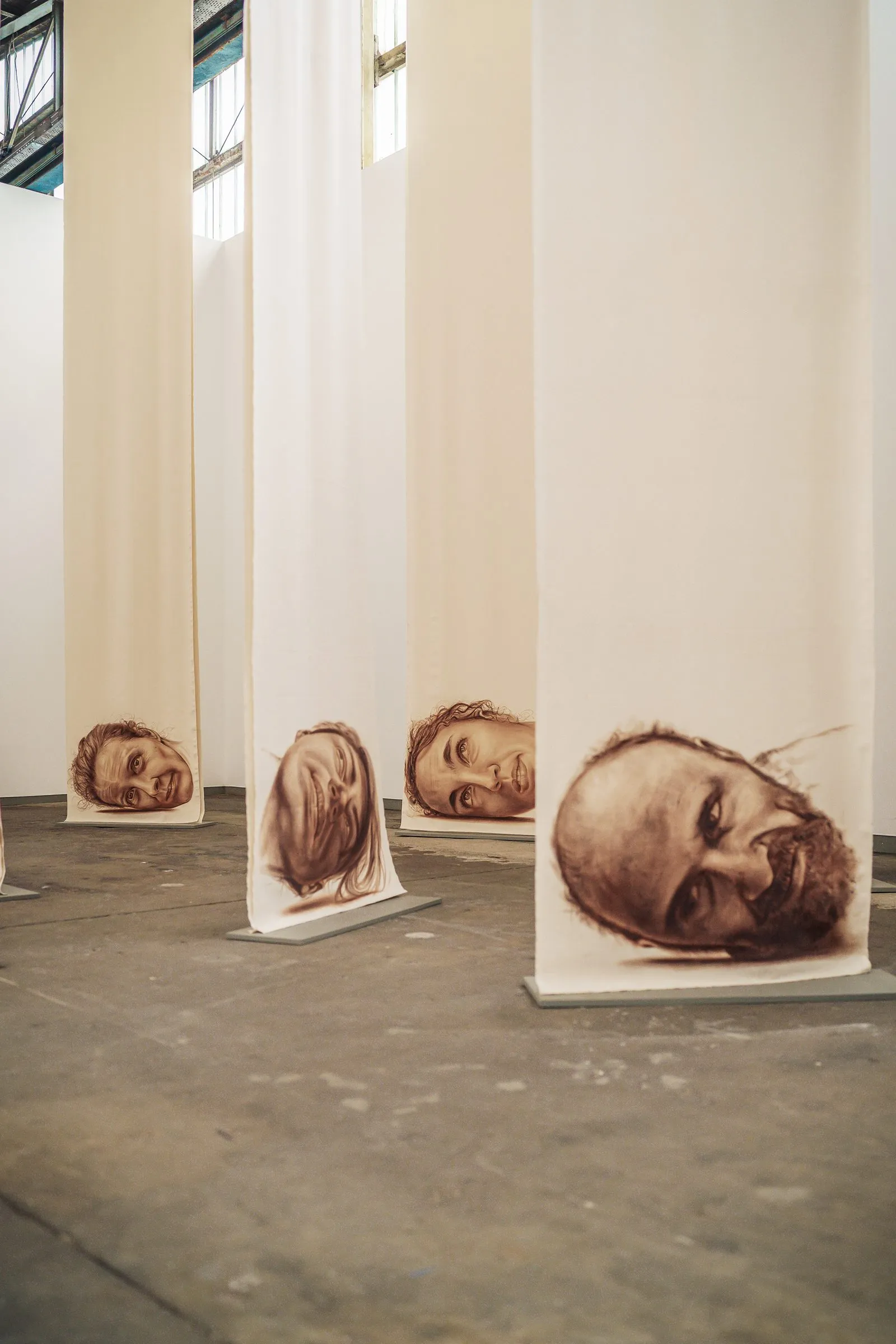
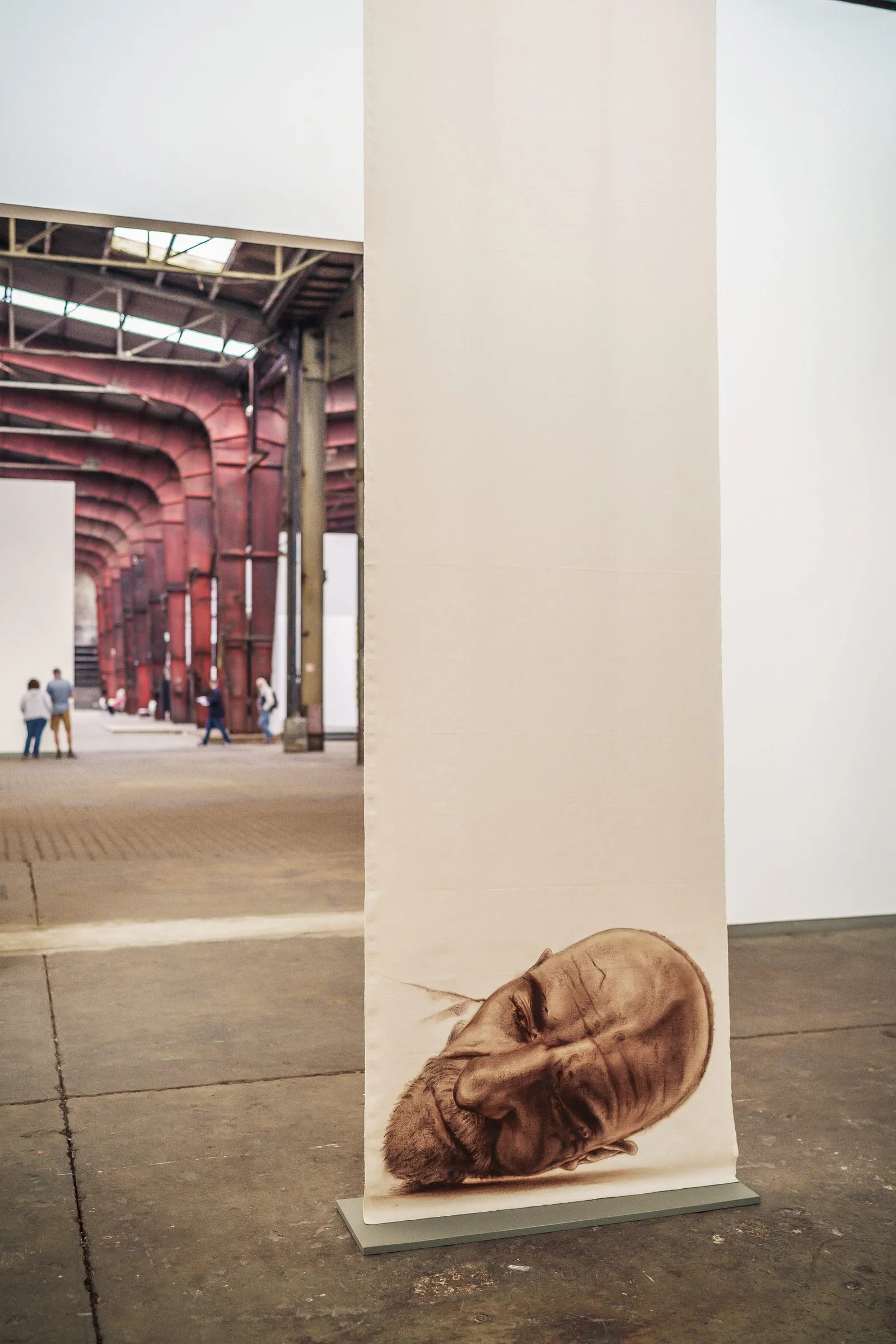
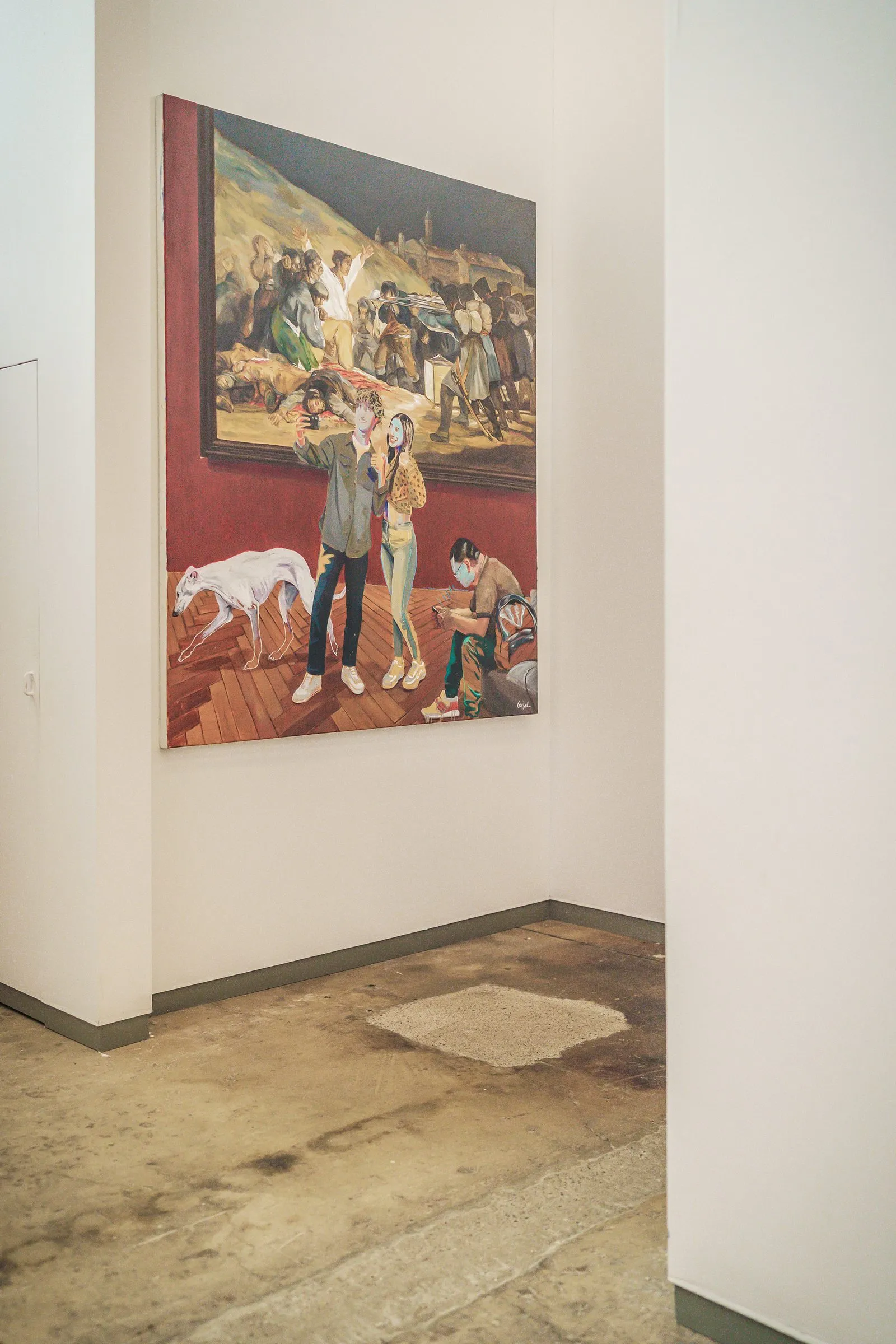
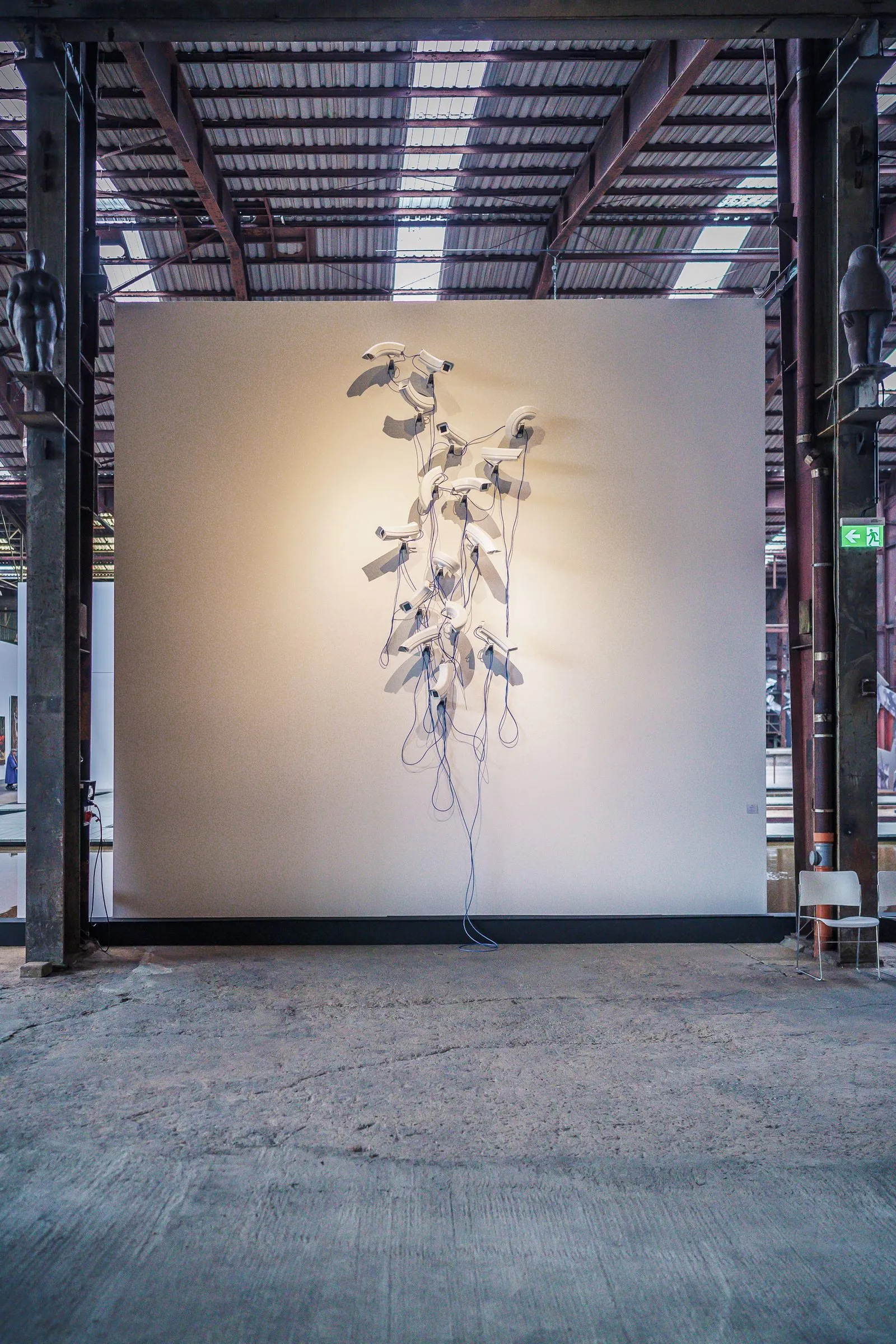
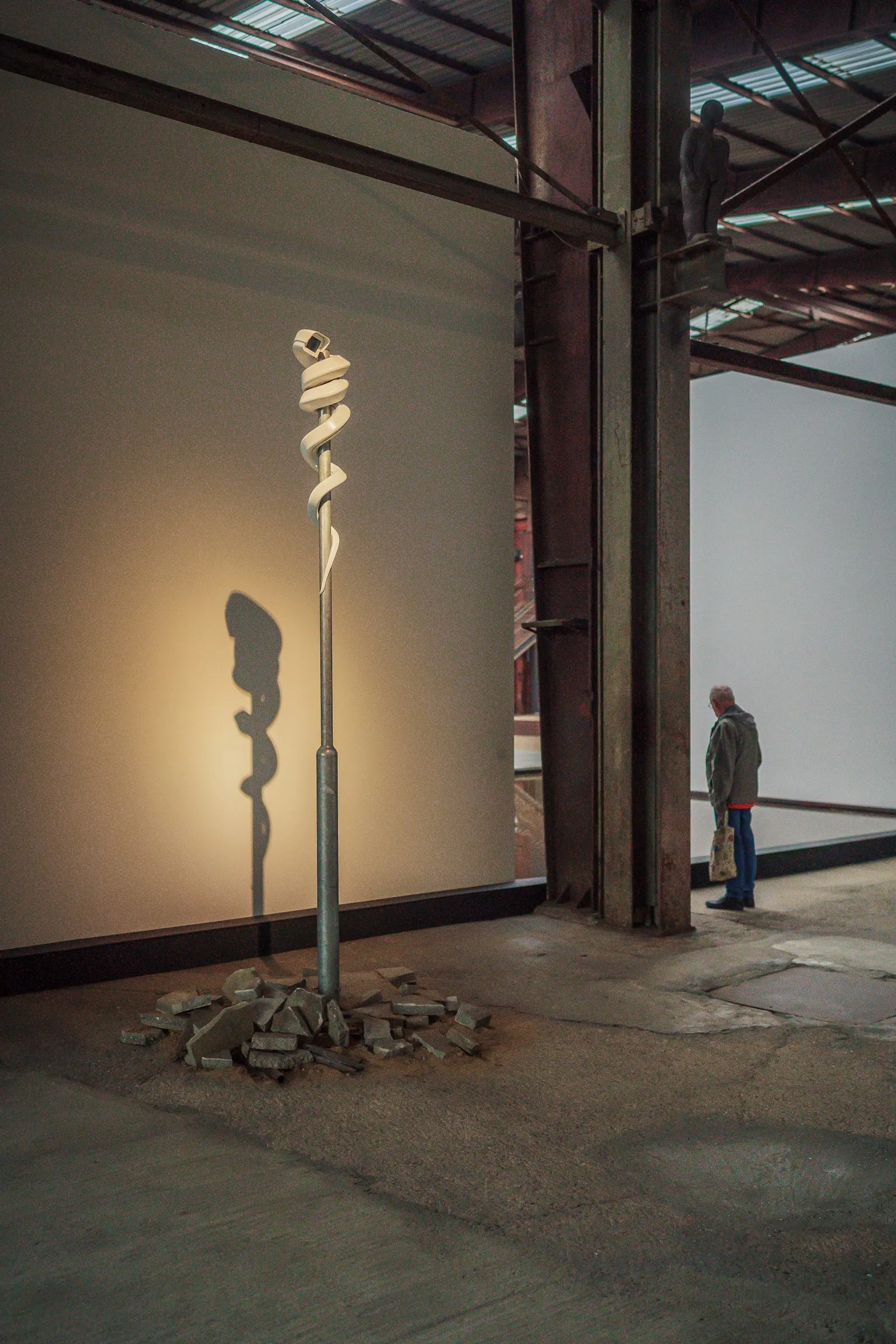
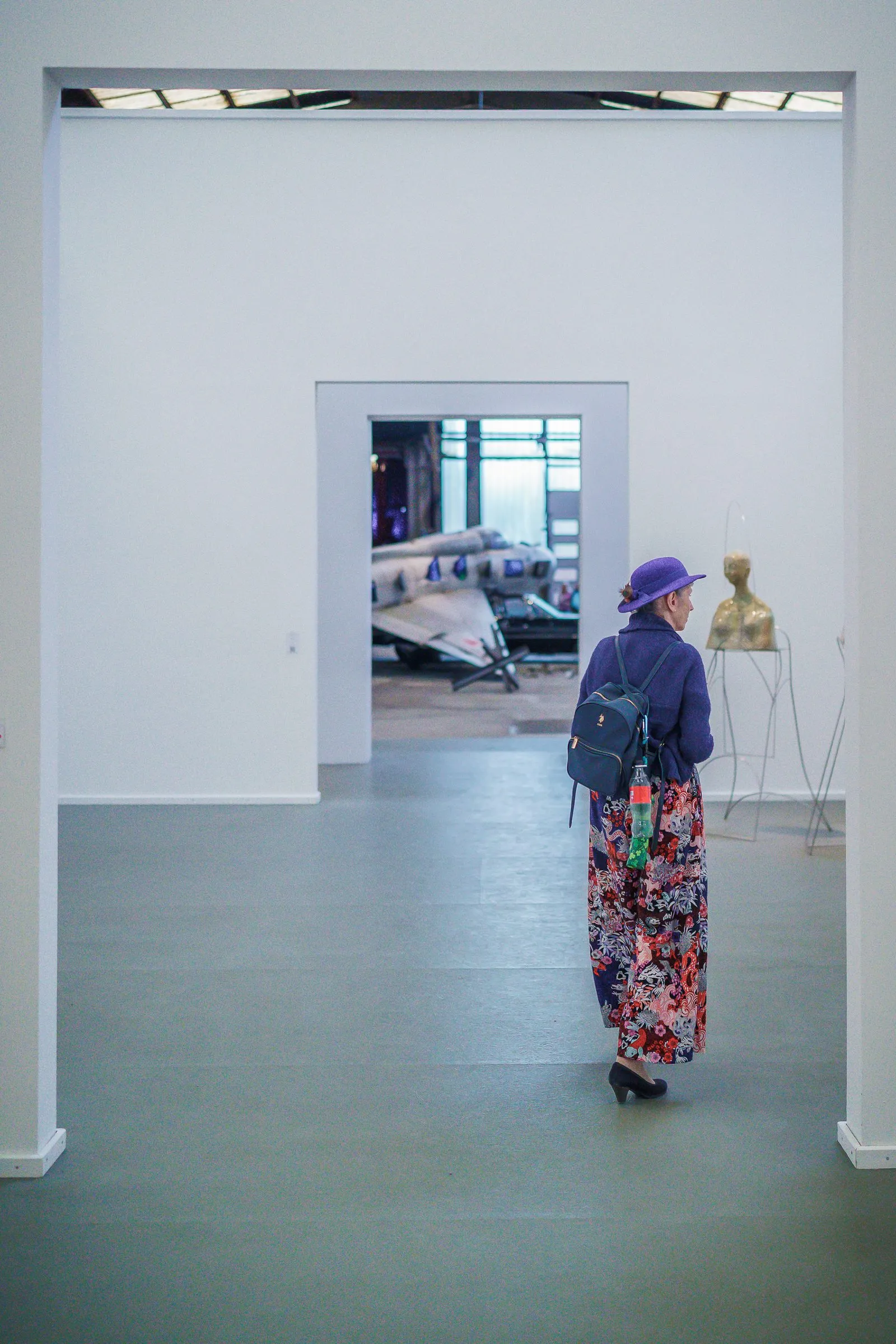
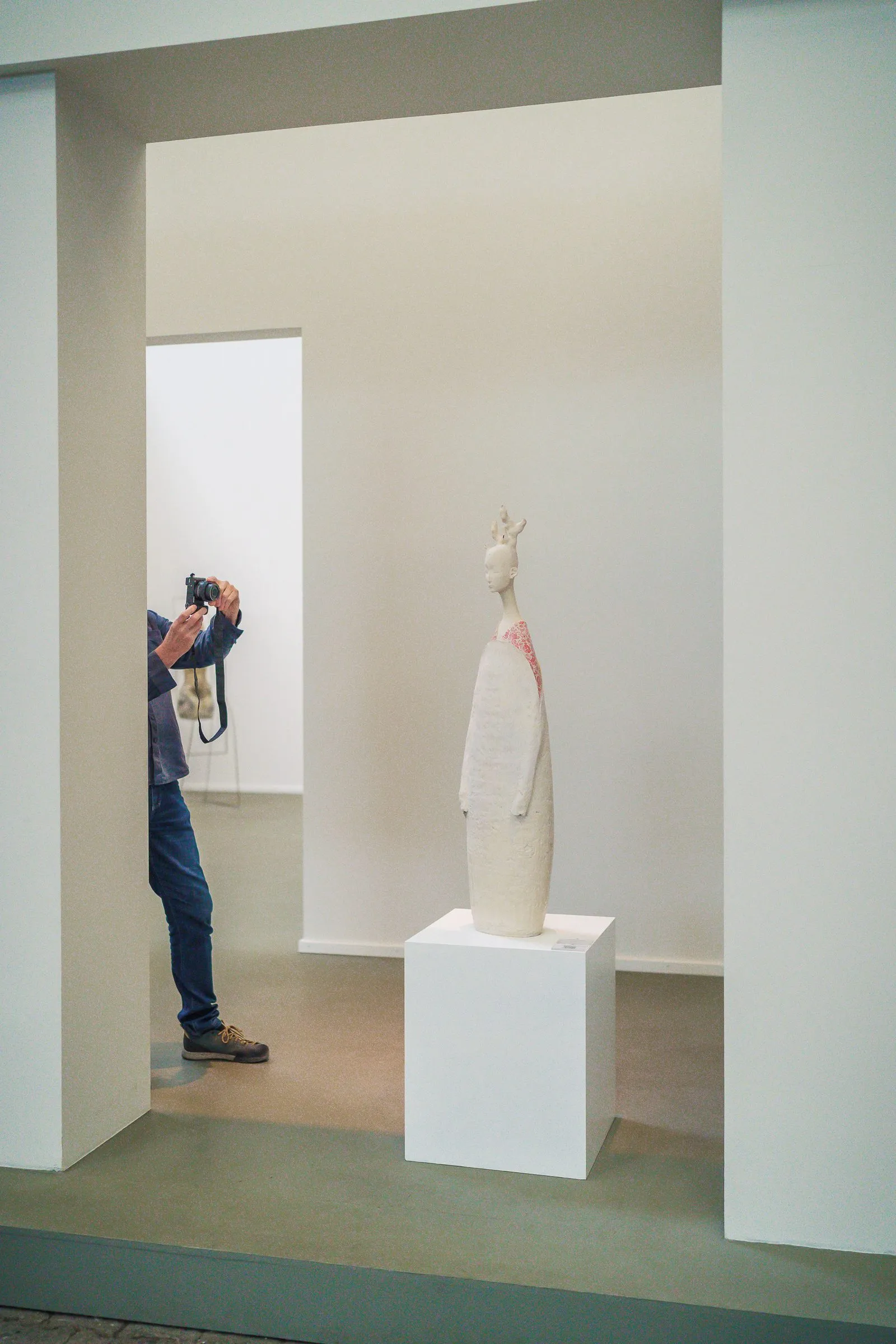
Of course the day didn't consist of four works only. In between lay halls full of heads, fabric banners, carved figures, painted forests and very many people who stopped in front of all of it. Some took photos, others sat down, a couple leaned on the railing and looked. I brought a few of these moments home with me.
NordArt 2026 runs until October 4. Anyone who can't make it gets the next chance next summer, and I will very probably go again.